Adding a multi-engine class rating is one of the most rewarding upgrades a pilot can make. It is also one of the shortest: there is no written test for most applicants and no minimum number of flight hours, only a demonstration of proficiency. This step-by-step guide explains the multi engine rating requirements, what training actually involves, and how to arrive at the checkride well prepared.
What a Multi-Engine Rating Is
A multi-engine (more precisely, airplane multi-engine land) rating is a class rating added to an existing pilot certificate. It does not create a new licence: a private pilot becomes a private pilot with multi-engine privileges, a commercial pilot becomes a commercial pilot who may fly twins for hire. Without it, you may not act as pilot in command of an airplane with more than one engine.
Multi Engine Rating Requirements at a Glance (FAA)
| Requirement | What it means in practice |
|---|---|
| Pilot certificate | At least a private pilot certificate with an airplane single-engine rating |
| Medical | A current medical certificate, or BasicMed where it applies |
| Knowledge test | Not required when adding the class rating to an existing airplane certificate |
| Minimum hours | None set for the add-on; training continues until you meet the standards |
| Instructor endorsement | Logbook endorsements for the required training and readiness for the practical test |
| Practical test | Oral and flight test with an examiner, to the standards for your certificate level (private or commercial) |
The governing rule is 14 CFR 61.63 on additional aircraft ratings, and the standards are in the FAA Airman Certification Standards. In EASA countries the equivalent is the multi-engine piston (MEP) class rating, which requires an approved training course including theoretical instruction and a skill test; check the current requirements with your approved training organisation.
Step 1: Decide Which Level You Need
If you hold a private certificate, you will add the rating at private standards. A commercial pilot adds it at commercial standards, which are tighter. Pilots heading for a career sometimes complete the commercial certificate in a single and add the multi-engine rating afterwards, or the other way round, because the order affects total cost. Our guide to the commercial multi-engine rating covers this choice.
Step 2: Check Your Instrument Status
An instrument rating is not required, but it matters. An instrument-rated pilot who does not demonstrate instrument tasks in the twin on the checkride can receive a limitation restricting multi-engine flying to VFR. Many students therefore fly the single-engine instrument approach as part of the test. If you are not yet instrument rated, consider whether getting the instrument rating first will save time later.
Step 3: Choose the Training Airplane and School
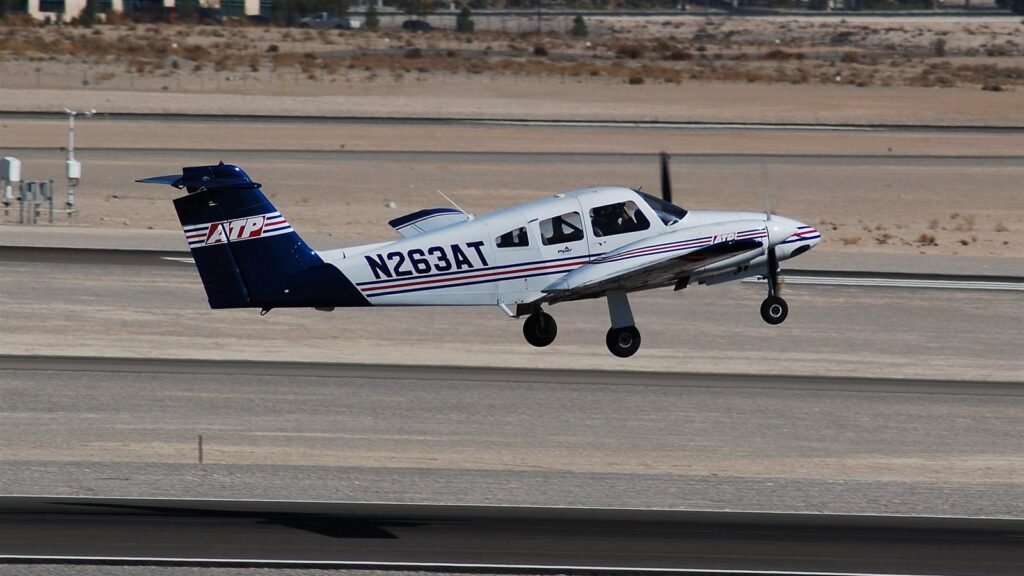
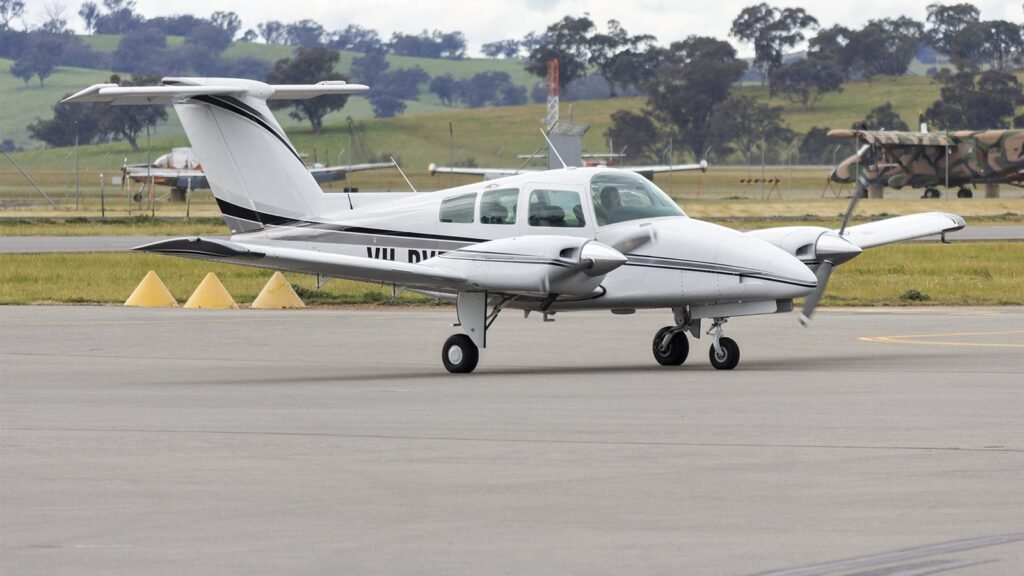
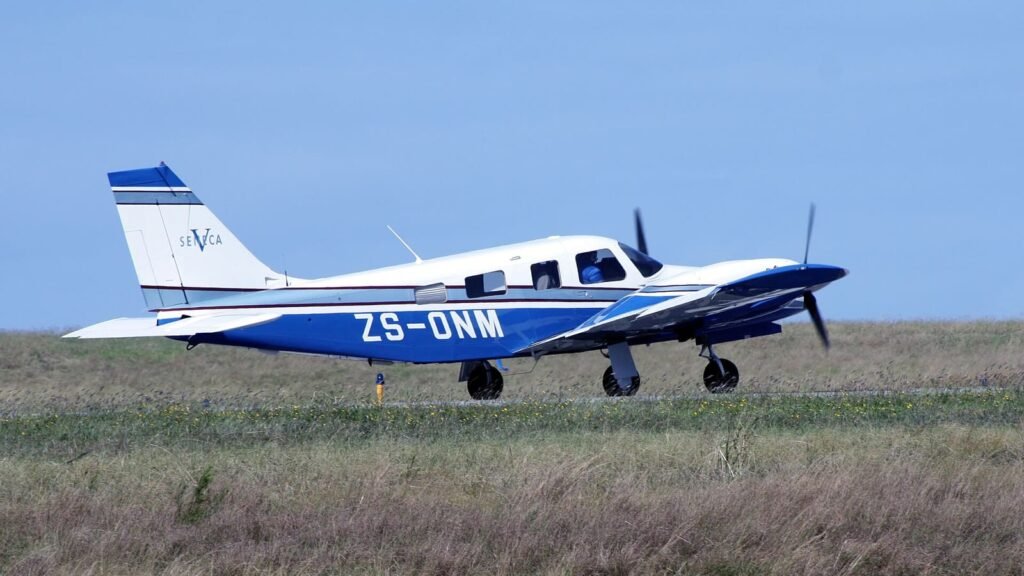
Most schools use a light twin such as the Piper Seminole, the Diamond DA42 or the Beechcraft Duchess. Points worth comparing:
- Critical engine: counter-rotating propellers (Seminole, Duchess) remove the critical-engine effect; conventional twins teach it in practice.
- Centerline thrust: training in an airplane like the Cessna 337 leads to a “centerline thrust” limitation on the rating.
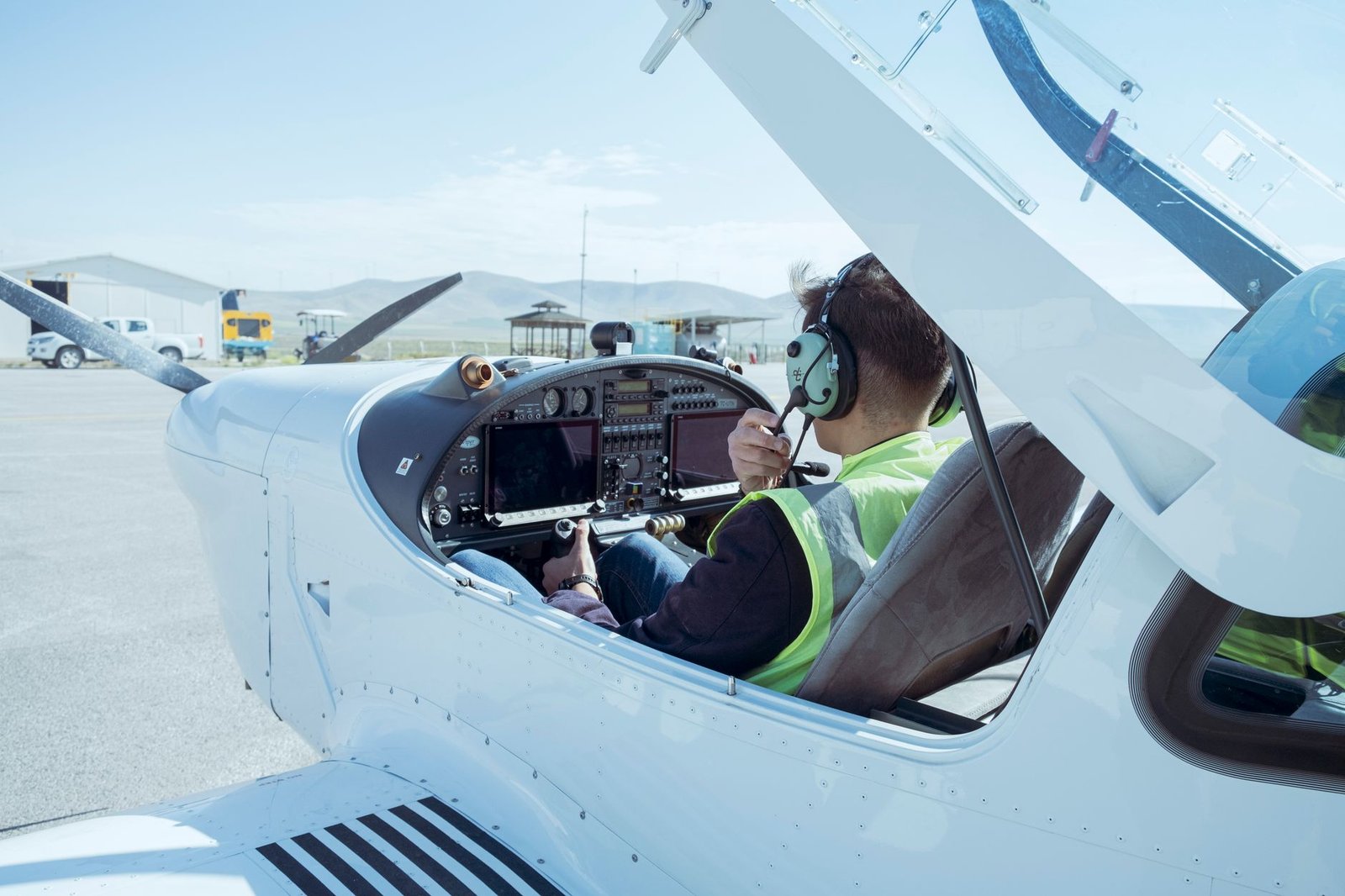
- Avionics: glass cockpits are common, but make sure you can also fly the twin without the autopilot.
- Format: intensive courses finish in about a week; part-time training fits around work but may need more review flights.
- Total cost: ask for the hourly rate including instructor and fuel, the examiner’s fee and typical hours for students like you.
Step 4: Ground Training
Ground lessons build the understanding that the examiner will probe. Core topics include:
- Asymmetric thrust, the critical engine and the factors behind it (PAST).
- VMC: what it is, the certification conditions and why it changes in real flight (VMC explained).
- V-speeds such as VYSE (blue line) and VXSE, and single-engine performance.
- Aircraft systems: propellers and feathering, fuel and crossfeed, electrical, landing gear and emergency extension.
- Weight and balance, performance charts, accelerate-stop and accelerate-go distances.
Step 5: Flight Training
Most pilots need somewhere between about seven and fifteen hours of dual instruction, depending on experience and how often they fly. Typical lessons cover:
- Normal and crosswind takeoffs and landings, short-field and soft-field work.
- Engine failure during takeoff (before rotation) and after liftoff.
- Engine failure in flight: maintain control, “identify, verify, feather”, secure the engine and plan the landing.
- VMC demonstration and stalls, flown at a safe altitude.
- Single-engine approach and landing, and for instrument-rated pilots a single-engine instrument approach.
- Steep turns, slow flight and emergency descent.
A simulator session, where available, is a safe way to practise failures at the worst moments, which instructors cannot simulate realistically in the airplane.
Step 6: Prepare for the Checkride
- Know your airplane: systems, limitations and performance figures for the exact model and year you will fly.
- Brief every takeoff out loud: what you will do with a failure before rotation, below blue line and above a safe altitude.
- Fly a mock checkride with a different instructor to expose weak spots.
- Bring the paperwork: certificate, medical, logbook endorsements and the aircraft documents.
For what examiners actually test, read what’s on the multi-engine checkride and the first-hand story in multi-engine checkride lessons.
Step 7: After the Rating
The new rating lets you fly twins, but insurers and employers will look for experience. Keep flying the type you trained in, schedule regular engine-out practice with an instructor, and consider a multi-engine instructor rating later if you want to build time professionally.
Common Mistakes
- Memorising V-speeds without understanding why VMC moves with weight, altitude and configuration.
- Rushing “identify, verify” and touching the wrong lever.
- Forgetting to slow down before emergency gear extension.
- Letting airspeed decay below blue line during single-engine approaches.
Key Takeaways
- The FAA multi-engine add-on needs a pilot certificate, a medical, training endorsements and a practical test; there is no written test and no minimum hours.
- Your certificate level and instrument status decide which standards apply and whether a VFR-only limitation is possible.
- Choose the training airplane with its limitations in mind (critical engine, centerline thrust).
- Good ground understanding of VMC and single-engine performance is what makes the flying safe.
To see how the theory applies to a real airplane, continue with the largest twin-engine Cessna, the 404 Titan, or compare training costs in multi engine rating cost and requirements.