Single-Engine Service Ceiling: How High Can a Twin Climb on One Engine?
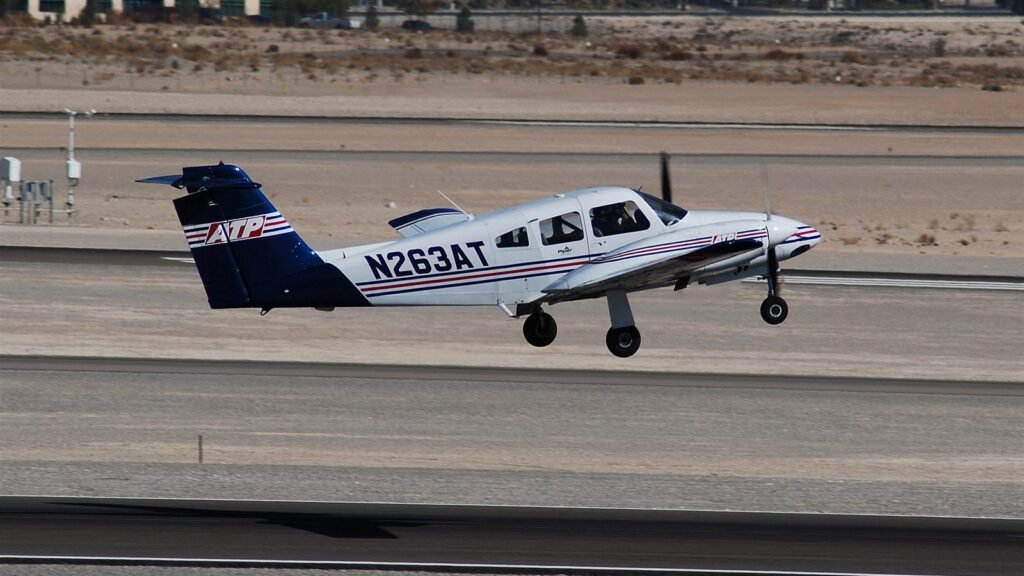
The single-engine service ceiling shows how high a twin can still climb after an engine failure. What it means, what the book assumes, how density altitude erodes it and how to plan around it.
Beechcraft Duchess: History, Performance and Training in the Model 76 Twin
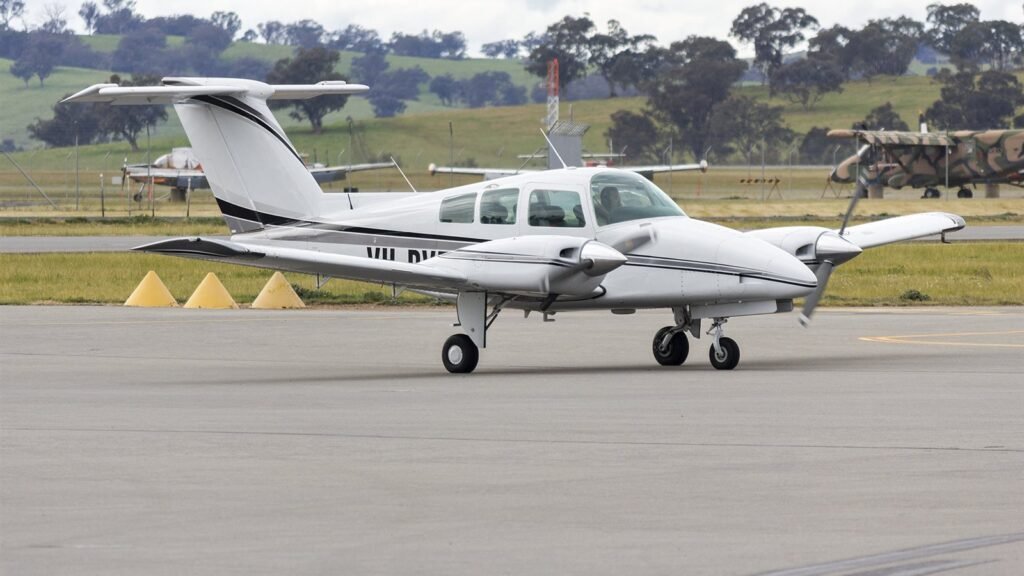
The Beechcraft Duchess taught a generation of pilots to fly twins. Its history, counter-rotating propellers, T-tail, performance, V-speeds, training tips and ownership costs explained.
Piper Seneca: History, Performance and Training in the PA-34 Twin
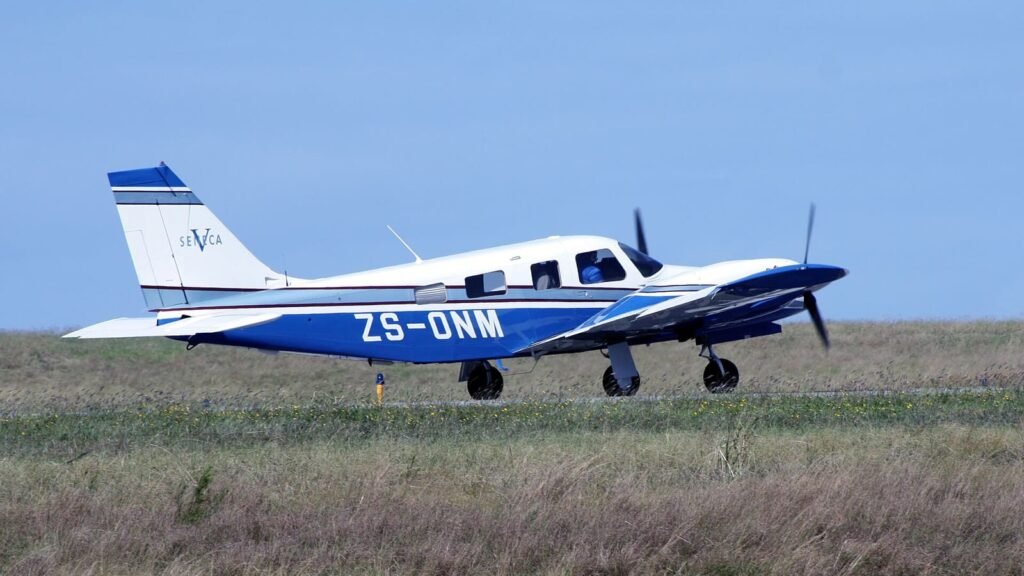
The Piper Seneca has been a family twin, air-taxi workhorse and training aircraft for five decades. Its five generations, counter-rotating propellers, performance, accident record and ownership costs explained.
First Multiengine Lesson Gone Wrong: What a Twin Comanche Story Teaches
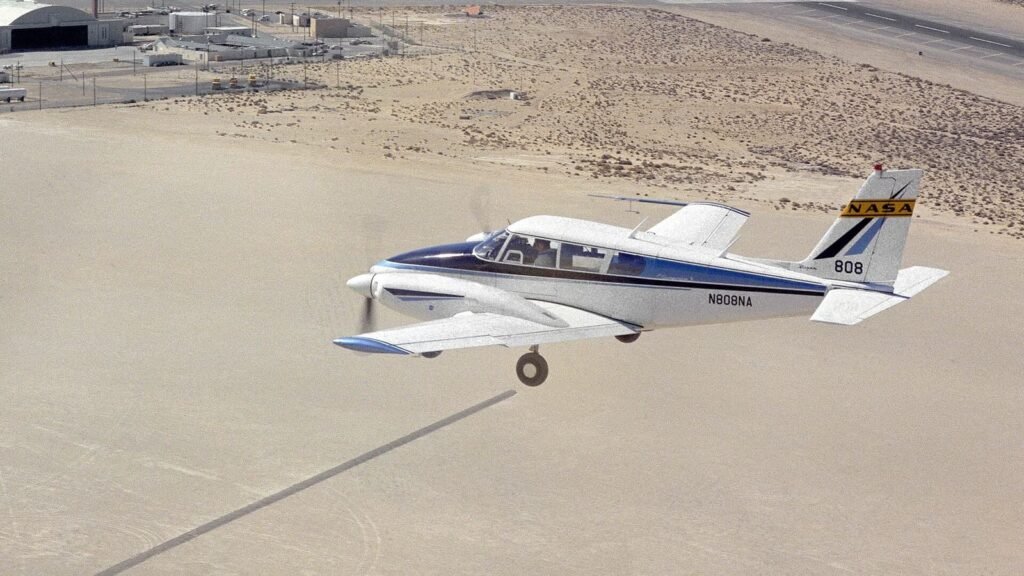
A first multiengine lesson in a Twin Comanche turned into a real emergency. What the story teaches about choosing an instructor, red flags, zero-thrust training and feathered-engine restarts.
Things I Will Not Do in Multi-Engine Training
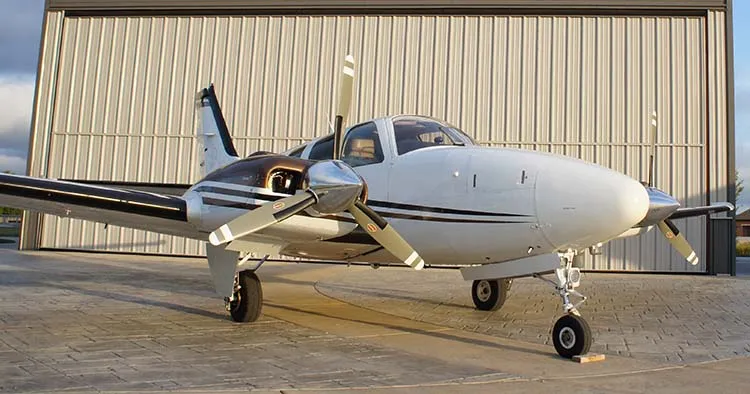
Multi-Engine Training Safety depends as much on what an instructor refuses to demonstrate as on what is practiced. Explore seven boundaries for simulated engine failures, takeoff emergencies, feathering, single-engine approaches and go-arounds—and why some scenarios belong in a simulator.
Why Multi Engine Training Is a Must for Commercial Pilots?
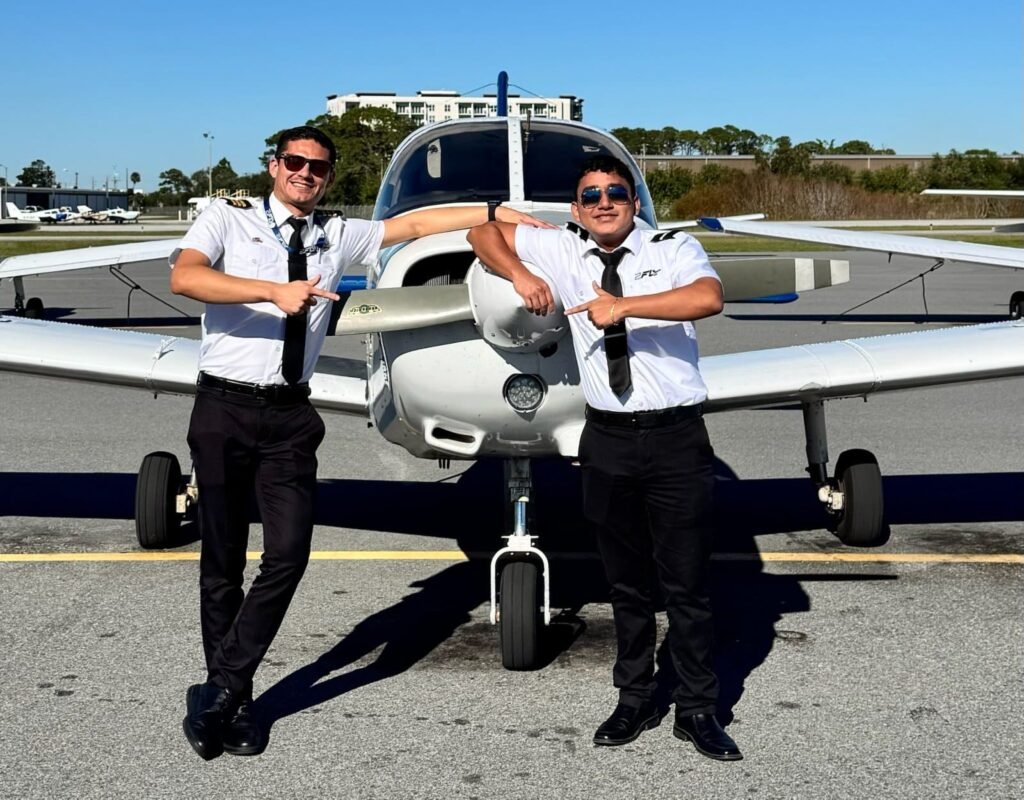
Becoming a Twin Engine Commercial Pilot requires more than learning to operate a second engine. Explore multi-engine aerodynamics, VMC, VYSE, engine-out performance, aircraft systems, commercial standards, decision-making and the skills that prepare pilots for more advanced professional flying.
Explained: Propeller Feathering in Turboprops
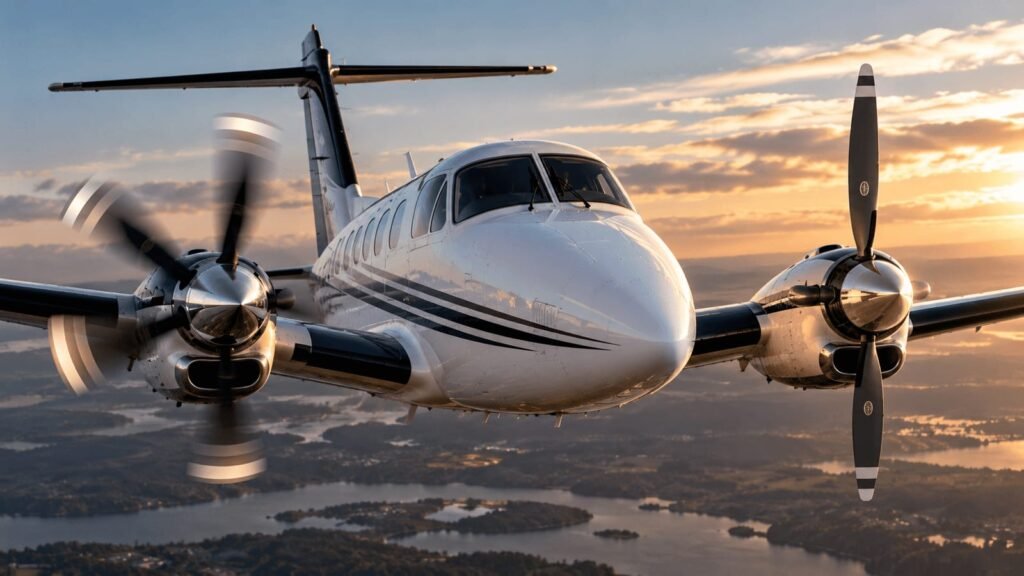
Propeller Feathering in Twin Engine Aircraft can make an enormous difference after an engine failure. Learn how a windmilling propeller creates drag, how feathering works, why it improves one-engine-inoperative performance, and how pilots train to use it safely.
BEECHCRAFT KING AIR 90, 100, 200, 250, 260
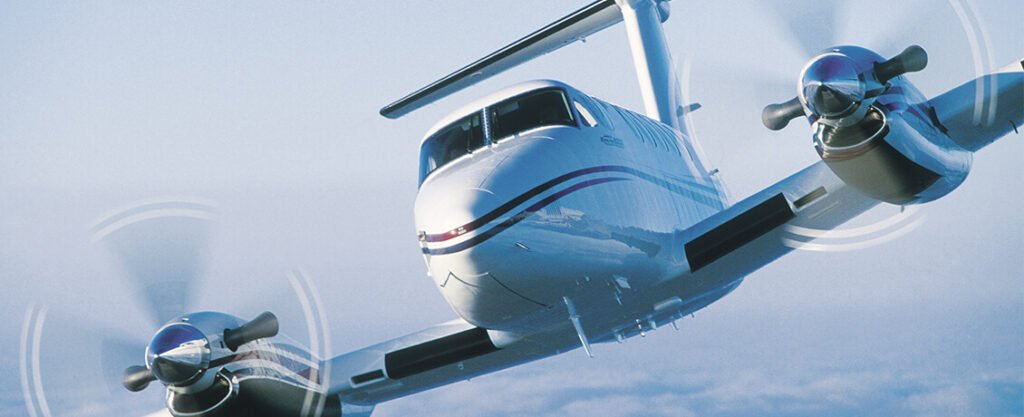
Beechcraft King Air Training prepares pilots for one of aviation’s best-known twin-engine turboprop families. Explore King Air 90, 100, 200, 250 and 260 training, aircraft systems, PT6 engines, engine-out procedures, simulator scenarios and professional pilot proficiency.
Multi-Engine Checkride Lessons: A Real Pilot’s Experience
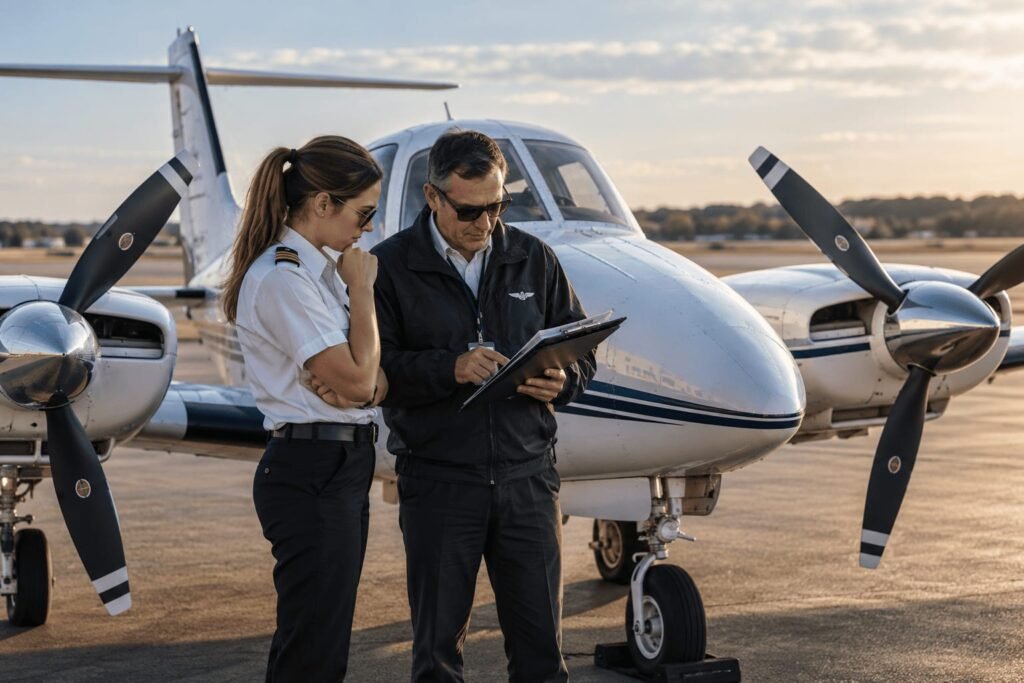
What really happens during a Multi-Engine Checkride? Follow a real pilot’s experience while learning how to prepare for the oral, twin-engine systems, VMC, engine-out procedures, instrument tasks, and the decisions that matter most during the practical test.
Flight Instructor – MEI
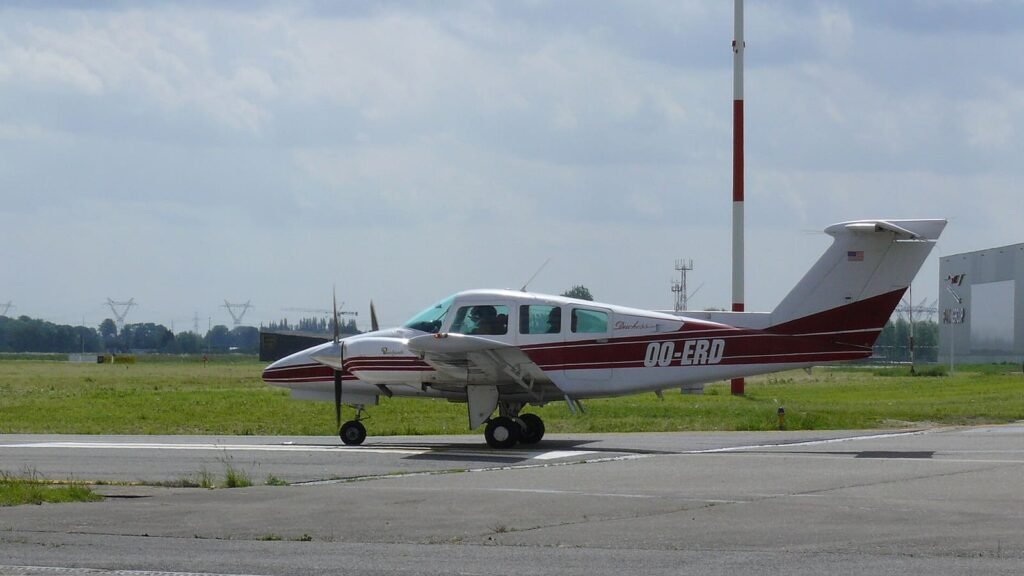
Becoming a Multi-Engine Flight Instructor means learning to teach twin engine flying from the right seat. Explore MEI requirements, VMC, asymmetric thrust, engine-out instruction, aircraft systems, right-seat proficiency, and the FAA practical test.