Extended Diversion Time Operations: 7 Critical EDTO Rules
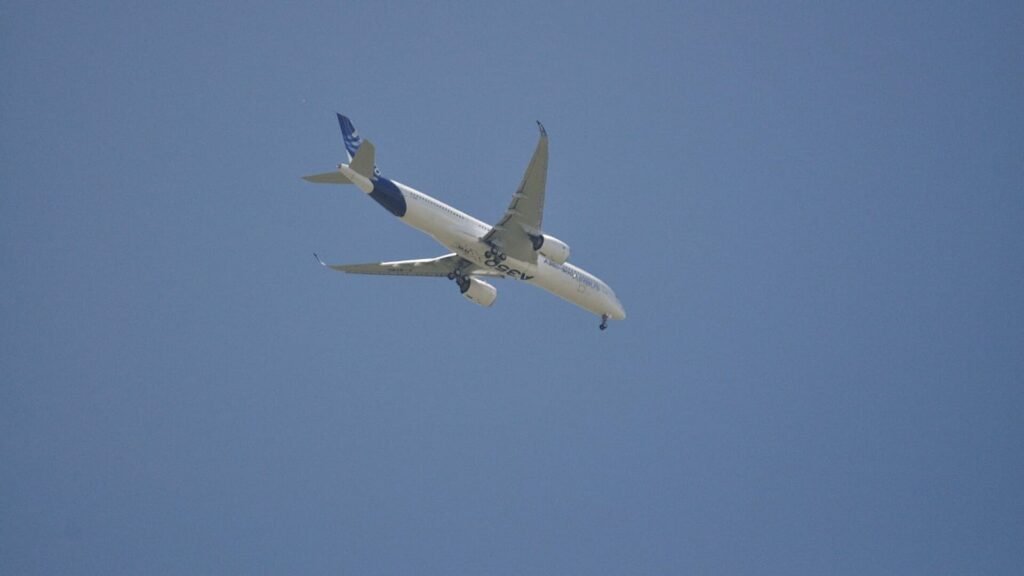
Extended Diversion Time Operations allow approved aircraft to operate farther from suitable en-route alternates. Learn how EDTO evolved from ETOPS and how diversion planning, aircraft reliability, fuel, systems, maintenance, and crew decisions protect twin-engine operations.
What Is Asymmetric Thrust in Twin Engine Aircraft?
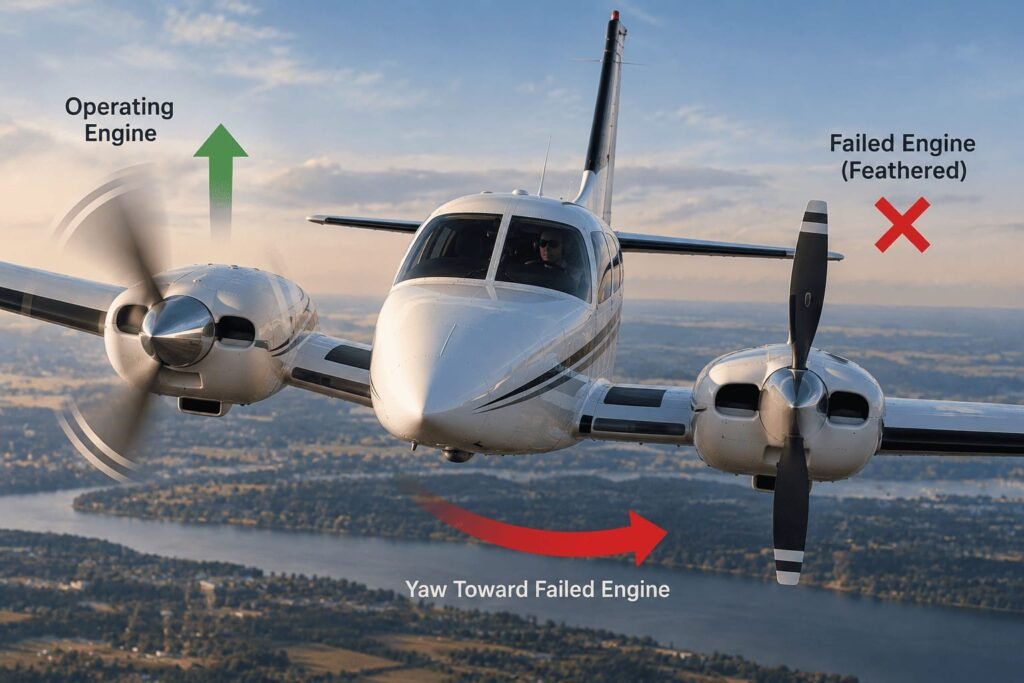
What happens when one engine produces more thrust than the other? Pilots explain asymmetric thrust in twin engine aircraft, from the first yaw after an engine failure to VMC, rudder control, zero sideslip, and securing a failed engine.
Multi-Engine Add-On Rating
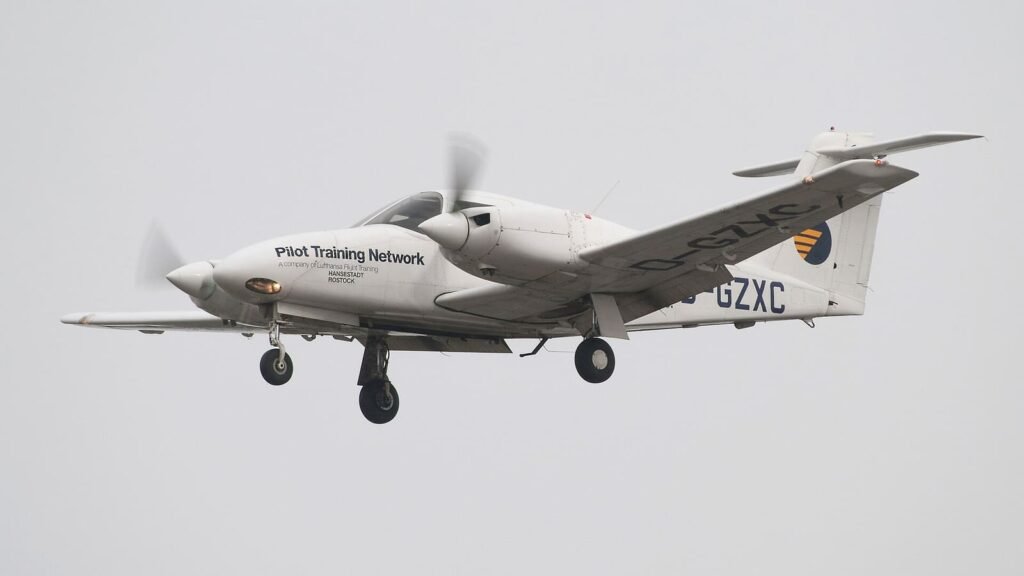
A Multi-Engine Add-On Rating allows qualified airplane pilots to expand into twin engine aircraft. Learn the FAA requirements, training process, VMC, asymmetric flight, engine-out performance, and what to expect on the practical test.
My First Twin Engine Flight: Flying the Piper Seminole
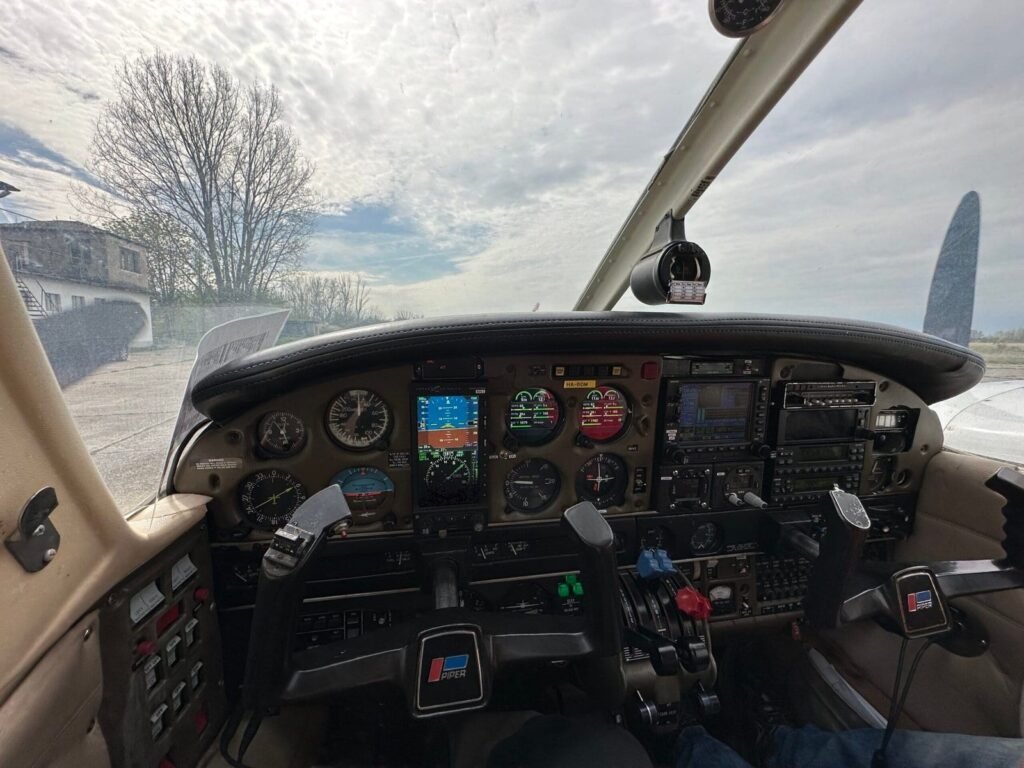
Every pilot remembers certain flights more clearly than others: the first solo, the first cross-country, the first time flying a new aircraft type. For me, another memorable milestone was my first twin engine flight. While I was in Hungary completing FI(A) training, I had the opportunity to fly a Piper PA-44 Seminole at the local […]
Human Factors in Twin Engine Aircraft: How Pilot Decisions Affect Multi-Engine Safety

Human factors become especially important in twin-engine aircraft because an engine failure can rapidly combine asymmetric thrust, reduced performance, high workload, and time-critical decisions. Learn how FAA human-factors principles apply directly to multi-engine pilots and safer twin-engine operations.
Tecnam P2006T NG: Next-Generation Twin Engine Aircraft for Training and Efficient Flight

The Tecnam P2006T NG brings modern avionics, efficient Rotax powerplants and complex-aircraft systems together in a four-seat twin-engine platform. Discover why its combination of multi-engine capability, low operating costs and training-focused design makes it particularly attractive to modern flight schools.
What’s on the Multi-Engine Checkride? (ACS, FARs, and What You’re Actually Tested On)

The Multi-Engine Checkride tests far more than the ability to fly a twin-engine airplane. Learn what the FAA ACS requires, what to expect during the oral and flight portions, how VMC and engine failures are evaluated, and which mistakes commonly cause applicants problems.
Power loss related accidents involving twin-engine aircraft

Twin Engine Power Loss Accidents can develop very differently depending on whether the aircraft remains controllable after losing power. Learn why asymmetric thrust, VMC, degraded climb performance, aircraft configuration, and pilot decision-making can determine whether an engine failure ends in a controlled landing or loss of control.
Extended-range Twin-engine Operations

Extended-Range Twin-Engine Operations allow turbine-powered twins to operate routes far from suitable diversion airports. Learn how ETOPS planning manages engine failures, depressurization, critical fuel, alternates, and long-range diversion risk.
How Elevation and Weight Affect Takeoff Performance

Twin Engine Takeoff Performance depends heavily on aircraft weight, airport elevation, temperature, runway length, and one-engine-inoperative capability. Learn how density altitude changes acceleration, climb performance, V-speeds, and safe takeoff limits.