Engine Placement and Aircraft Control
Another important aspect of why airliners have more than one engine is how engine placement affects aircraft stability and control.
On most commercial aircraft, engines are mounted under the wings. This placement helps distribute weight evenly and contributes to aerodynamic efficiency. It also reduces structural stress and improves handling.
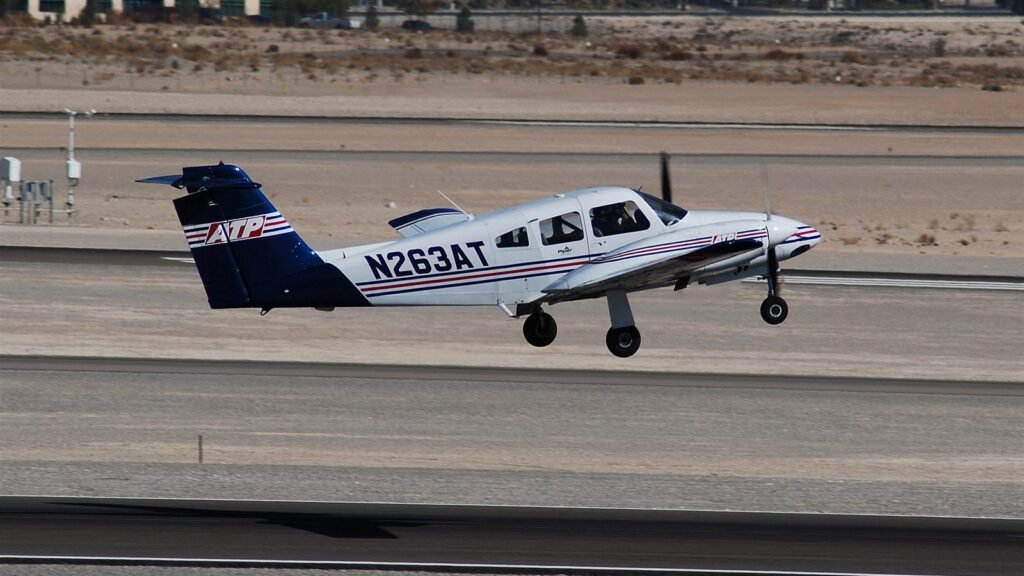
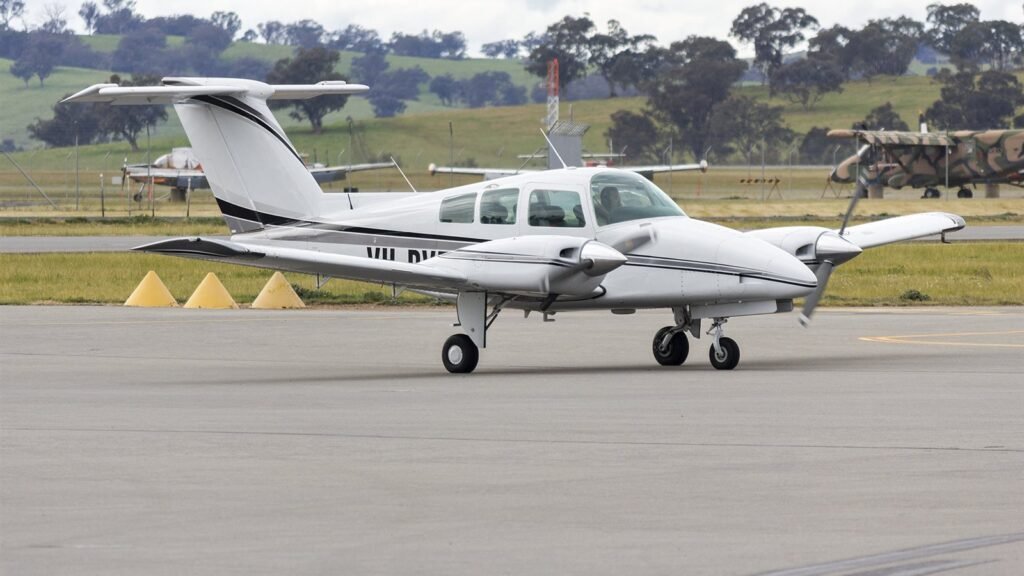
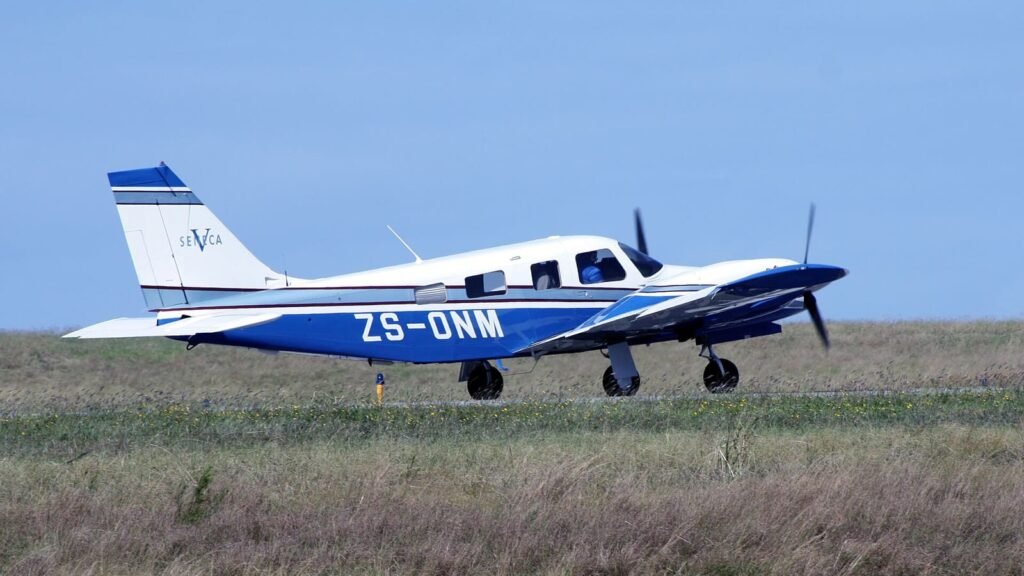
In twin engine aircraft, having engines on both sides of the fuselage creates symmetrical thrust during normal operation. If one engine fails, the aircraft experiences asymmetric thrust, which pilots counter using rudder and control inputs. This is a standard and well-trained procedure.
Despite the imbalance, the aircraft remains fully controllable. This is a key part of the design — ensuring that even with one engine, the aircraft can continue flying safely.
What Happens When One Engine Fails
Understanding why airliners have more than one engine becomes very clear in real-world scenarios.
If one engine fails on a twin engine aircraft, the situation is serious but manageable. The aircraft will lose some performance — climb rate decreases, and fuel efficiency is affected — but it will remain stable and controllable.
Pilots are trained to:
- maintain directional control
- adjust power on the remaining engine
- descend if necessary
- divert to the nearest suitable airport
Modern aircraft are certified to fly safely on one engine for extended periods. This capability is defined under ETOPS regulations, which allow twin engine aircraft to operate long routes while still being able to reach a safe landing location in case of failure.
Why Not Use Single Engine Aircraft?
It is true that some aircraft operate with a single engine, especially in general aviation. However, these aircraft are typically small, carry few passengers, and operate under less demanding conditions.
For large commercial operations, a single engine does not provide sufficient redundancy. Carrying hundreds of passengers over long distances requires a system that can tolerate failures without immediate danger.
This is why twin engine aircraft dominate commercial aviation. They offer the right balance between safety, efficiency, and operational flexibility.
Efficiency vs Safety: Why Two Engines Win
Historically, aircraft had more engines because engines were less reliable. Older aircraft like the Boeing 747 or Airbus A340 used four engines to ensure safety over long distances.
Today, the situation has changed. Modern engines are so reliable that two engines are enough to meet strict safety standards. At the same time, using fewer engines reduces fuel consumption, maintenance costs, and overall weight.
This makes twin engine aircraft significantly more efficient while maintaining the same level of safety. Airlines benefit from lower operating costs, and passengers benefit from modern, reliable aircraft.

The Role of ETOPS in Twin Engine Aviation
A major factor in understanding why airliners have more than one engine is ETOPS (Extended-range Twin-engine Operational Performance Standards).
ETOPS defines how far a twin engine aircraft can fly from the nearest suitable airport while still being able to land safely on one engine. Thanks to improved reliability, modern aircraft can now fly for several hours on a single engine if necessary.
This has allowed twin engine aircraft to replace four-engine aircraft on most long-haul routes, further reinforcing their dominance in modern aviation.
Conclusion
Understanding why airliners have more than one engine ultimately comes down to one core principle — controlled risk, not the absence of failure.
Modern aviation assumes that failures can and will happen at some point. Instead of trying to eliminate them entirely, aircraft are designed so that a failure — including an engine failure — does not lead to loss of control. This is why redundancy is built into every critical system, from sensors and hydraulics to engines themselves.
In a twin engine aircraft, the remaining engine is powerful enough to keep the aircraft airborne and allow a safe diversion, which is a fundamental requirement in modern aviation certification standards.
What makes this even more important is that safety is not just about hardware. It is a combination of engineering, operational procedures, and pilot training. Aircraft are designed to remain controllable after failures, and pilots are trained to manage those failures calmly and effectively. Even in real-world scenarios, a single engine failure usually results in a safe diversion rather than a dangerous situation.
At the same time, the evolution of twin engine aircraft shows how aviation balances safety with efficiency. Instead of relying on more engines, modern aircraft rely on better engines, smarter systems, and stricter procedures. This is why two engines have become the global standard for commercial aviation.
In the end, multiple engines are not just about “backup power” — they are part of a much larger system designed to ensure that even when something goes wrong, the outcome remains safe and predictable.
To better understand how these principles apply in real operations and private aviation, continue here:
https://melibrary.pro/article/twin-engine-private-jets-advantages/