The aviation industry has reached a point where twin engine private jets advantages clearly outweigh older multi-engine concepts. Modern aircraft design focuses on achieving the perfect balance between safety, efficiency, and performance, and twin engine aircraft have proven to be the optimal solution.
Manufacturers and operators have recognized that two engines provide enough redundancy for safety while significantly improving fuel efficiency and reducing operational costs. This shift has made twin engine jets the dominant choice in private aviation.
The Role of ETOPS in Twin Engine Aircraft Development
One of the most important reasons behind the rise of twin engine aircraft is ETOPS certification (Extended-range Twin-engine Operational Performance Standards).
ETOPS regulations allow twin engine aircraft to fly long distances over oceans and remote areas, provided they can safely continue flight on one engine and reach an alternate airport.
This regulatory framework is a key part of twin engine private jets advantages, as it ensures:
- high safety standards
- strict maintenance requirements
- reliable engine performance
Modern aircraft such as business jets and long-range airliners are now certified for extended ETOPS operations, allowing them to fly routes that were previously restricted to three- or four-engine aircraft.
From Four Engines to Two: Industry Evolution
In the past, long-haul aviation relied heavily on aircraft with three or four engines. This was mainly due to concerns about engine reliability and limitations imposed by early aviation regulations.
However, as engine technology improved, the need for additional engines decreased. Modern turbofan engines are significantly more reliable and powerful, making twin engine configurations more than sufficient.
This transition highlights one of the core twin engine private jets advantages — achieving the same level of safety with fewer engines, while improving efficiency and reducing complexity.
Performance and Efficiency Benefits
Twin engine private jets offer excellent performance characteristics. Compared to older multi-engine aircraft, they provide:
- lower fuel consumption
- higher operational efficiency
- reduced maintenance complexity
- lighter overall aircraft weight
With only two engines, there are fewer components to maintain, inspect, and replace. This directly reduces operating costs, which is especially important in private aviation where cost efficiency plays a major role.
Additionally, modern twin engine jets can deliver impressive range and speed, matching or even exceeding older four-engine designs.
Safety Through Redundancy and Design
One of the biggest misconceptions in aviation is that more engines automatically mean more safety. In reality, modern aircraft systems are designed so that a twin engine aircraft can safely continue flight even after losing one engine.
This is a fundamental part of twin engine private jets advantages.
Modern aircraft are built with:
- independent engine systems
- redundant electrical and hydraulic systems
- strict certification standards
ETOPS certification ensures that even in the event of an engine failure, the aircraft can safely divert and land without compromising passenger safety.

Aircraft Design and Engine Placement
Twin engine aircraft typically use two main configurations:
- Engines mounted at the rear of the fuselage
- Engines mounted under the wings
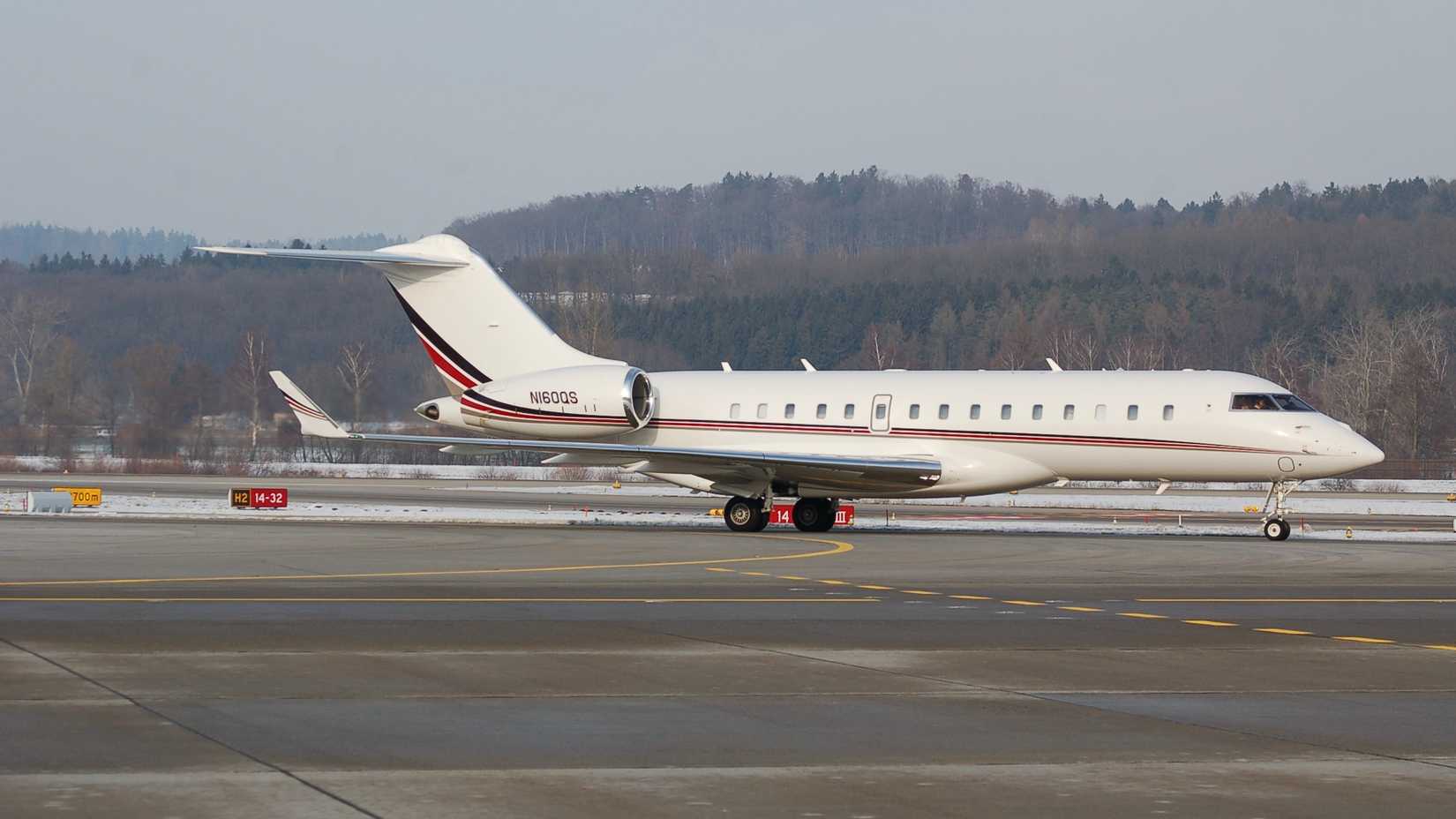
Private jets from manufacturers like Gulfstream, Bombardier, and Cessna often use rear-mounted engines, which provide a quieter cabin and aerodynamic efficiency.
Commercial aircraft, on the other hand, usually mount engines under the wings to improve lift and structural efficiency.
Both configurations support the overall concept of twin engine private jets advantages, combining aerodynamic performance with operational flexibility.
Technological Advancements Driving Dominance
Modern aviation technology has played a major role in making twin engine aircraft the standard across both commercial and private aviation sectors. Over the past decades, continuous improvements in engineering, materials, and system integration have significantly increased the reliability and performance of modern aircraft.
Key advancements include improved turbofan engine reliability, which has drastically reduced the probability of in-flight engine failures, as well as the use of advanced composite materials that make aircraft lighter, stronger, and more fuel-efficient. Modern monitoring and diagnostic systems allow real-time tracking of engine performance, enabling early detection of potential issues and proactive maintenance. In addition, more efficient fuel consumption has become a critical factor, allowing operators to reduce costs while also minimizing environmental impact.
All of these developments contribute directly to the growing importance of twin engine private jets advantages, as modern twin engine aircraft are now capable of operating safely over long distances, even in challenging environments such as oceanic routes or remote regions.
As a result, twin engine jets can now perform missions that were once only possible for larger three- or four-engine aircraft, combining high performance with lower operational costs and improved efficiency, making them the preferred choice in modern aviation.

Why Private Aviation Prefers Twin Engine Jets
Today, most modern private jets are designed with two engines. This is not a coincidence — it is a direct result of the clear twin engine private jets advantages.
Private jet operators benefit from:
- lower operating costs
- improved fuel efficiency
- high reliability
- strong performance
- regulatory flexibility through ETOPS
Even high-end business jets now rely on twin engine configurations, proving that two engines are more than enough for both safety and performance.
Conclusion
Modern aviation clearly proves that twin-engine aircraft are not only efficient but also extremely reliable in real-world operations. Thanks to strict ETOPS regulations, aircraft are required to maintain the ability to safely continue flight and reach an alternate airport even after an engine failure, ensuring a very high level of operational safety.
The concept of flying long distances on a single engine is no longer a limitation, but a standard part of aircraft design, supported by advanced engineering, redundancy systems, and rigorous certification processes. What once required three or four engines can now be safely achieved with two, demonstrating how far aviation technology has progressed.
Understanding how twin-engine aircraft perform during engine failure scenarios is essential for pilots, engineers, and anyone interested in aviation safety.
To explore this topic in more depth, read here:
https://melibrary.pro/article/twin-engine-failure-2/