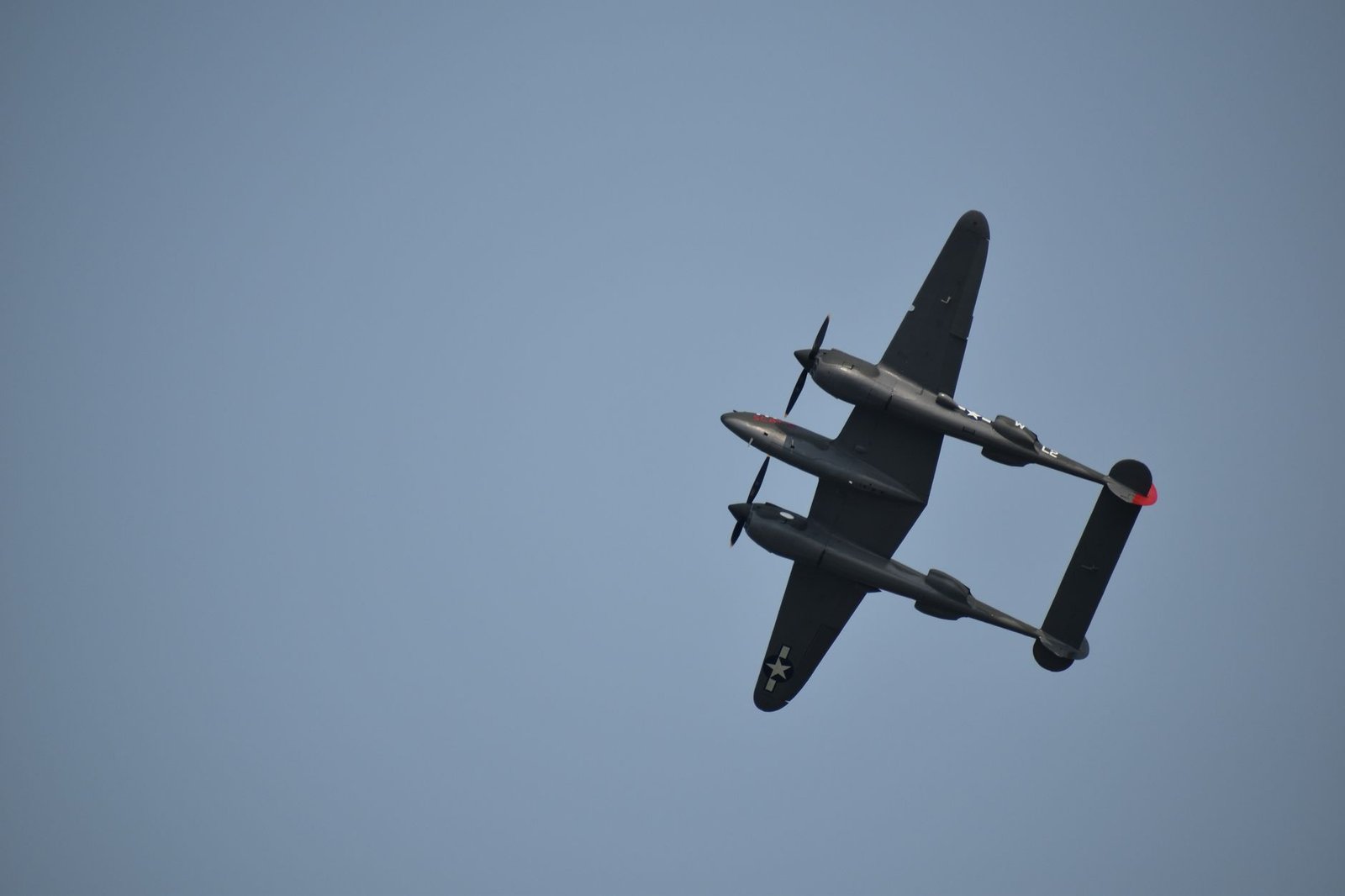
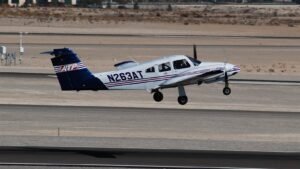
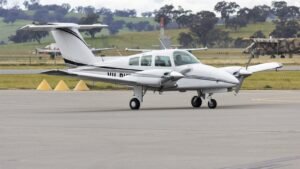
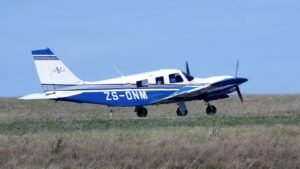
One of the most common questions in aviation is simple: how much does a twin-engine aircraft actually cost?
Understanding twin engine aircraft cost is not just about purchase price — it is about performance, safety, and long-term ownership.
Twin engine aircraft exist in multiple categories, from piston airplanes to turboprops and private jets. Each category has its own pricing structure, operating costs, and purpose.
How Much Does a Twin Engine Aircraft Cost?
The twin engine aircraft cost varies widely depending on type, age, and configuration.
For modern aircraft:
- Twin-engine turboprops: typically range from $4 million to $8 million new
- Single-engine turboprops (for comparison): $2 million to $5 million
- Pre-owned turboprops (5–10 years old): around $1 million to $3.5 million
However, piston twin aircraft — which are more common for training and private use — are significantly cheaper.
- Used piston twin aircraft: from $150,000 to $800,000
- New piston twins: can exceed $1 million
This wide range shows that twin engine aircraft cost depends heavily on the mission profile.
Types of Twin Engine Aircraft and Their Costs
Piston Twin Aircraft
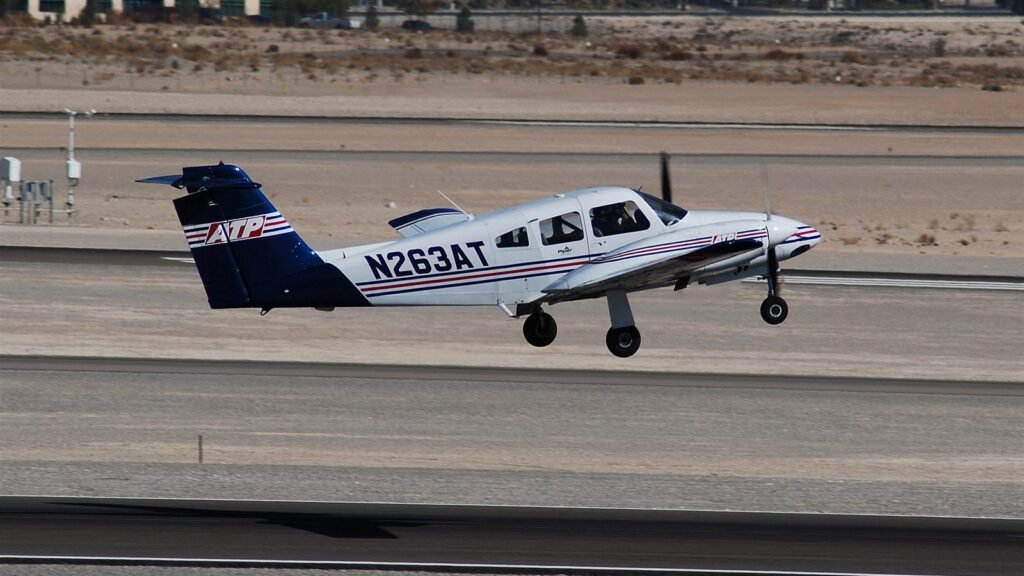
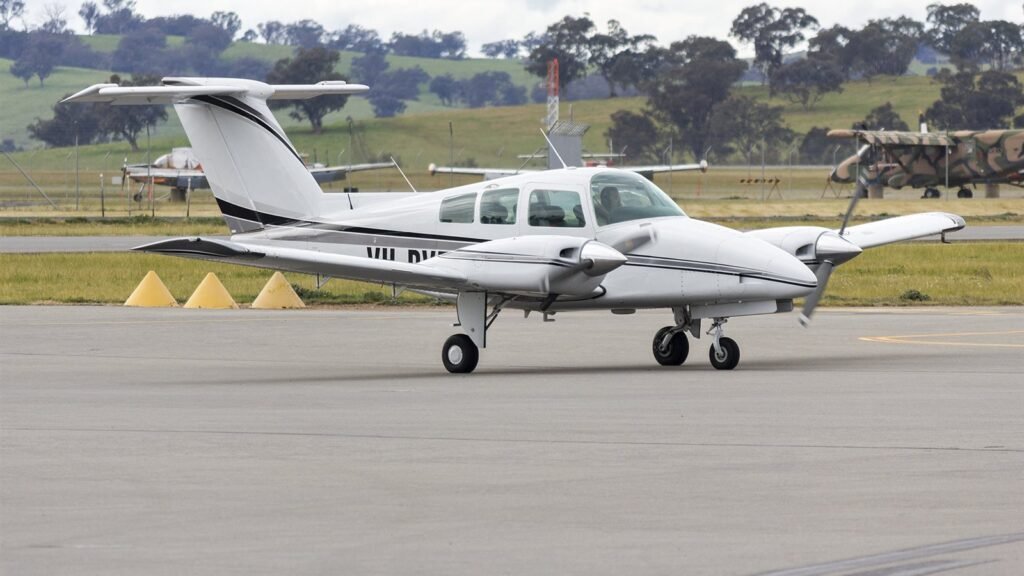
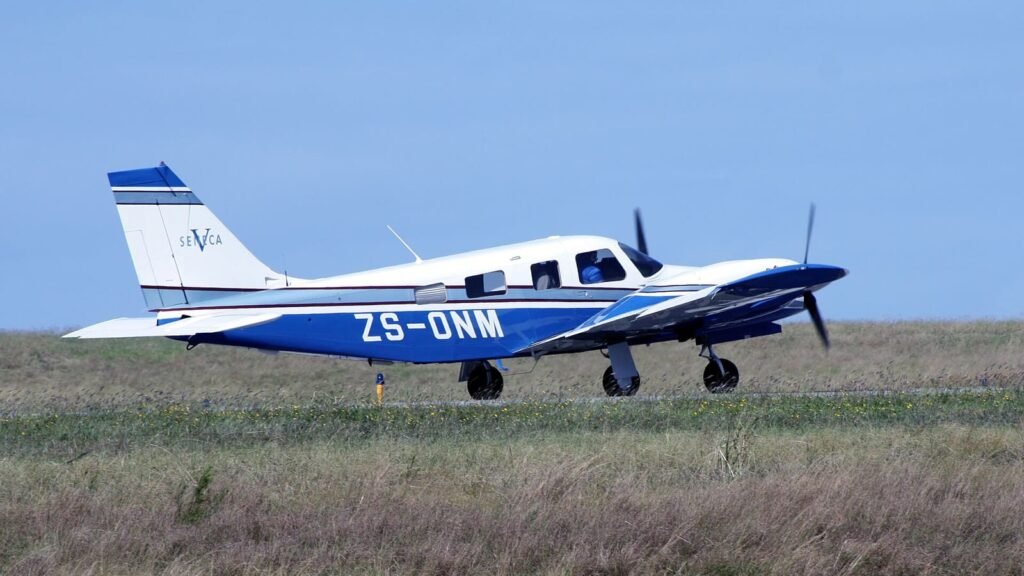
Piston twin aircraft are the most accessible entry point into multi-engine flying. They are commonly used for:
- flight training
- personal travel
- light business operations
A well-known example is the Beechcraft Baron G58, considered one of the best piston twins ever built. It offers strong performance, excellent handling, and reliability — but at a higher cost compared to older models.
These aircraft are ideal for shorter routes and provide a balance between performance and affordability.
Turboprop Twin Aircraft
Turboprops represent the next level in performance and cost.
Aircraft such as:
- King Air B200
- Pilatus PC-12
- Cessna Grand Caravan
are widely used in business aviation, cargo transport, and regional operations.
Although some of these models are technically single-engine, twin-engine turboprops dominate the market for reliability and redundancy.
The higher twin engine aircraft cost in this category is justified by:
- better climb performance
- higher cruise speeds
- ability to operate in challenging environments
Twin Engine Jets
At the top of the scale are twin-engine jets.
Aircraft like the Eclipse 550 offer entry-level jet ownership, with prices starting under $3 million. Larger jets can cost tens of millions.
What makes jets attractive is not just speed, but efficiency. Modern twin-engine jets are significantly more fuel-efficient than older four-engine aircraft.
This is why airlines and private operators increasingly prefer twin-engine configurations.
How Far Can a Twin Engine Aircraft Fly?
Range is another key factor influencing twin engine aircraft cost.
For piston aircraft:
- typical range: up to 300–800 miles
- ideal for short regional trips
For turboprops and jets:
- range can exceed 1,500–3,500 miles
- capable of long-distance travel
Modern twin-engine jets, thanks to ETOPS certification, can fly transoceanic routes safely on just two engines.
Operating Costs: The Hidden Factor
Purchase price is only part of the story.
The real twin engine aircraft cost includes:
- fuel consumption (significantly higher than single-engine)
- maintenance for two engines
- insurance
- crew training
For example, a twin-engine aircraft may cost nearly double to maintain compared to a similar single-engine model.
This is why many private owners carefully evaluate whether they truly need twin-engine capability.
Are Twin Engine Aircraft Worth It?
This is where the discussion becomes more interesting.
From a performance perspective, twin engine aircraft offer:
- higher speeds
- better climb rates
- redundancy in case of engine failure
From a safety perspective, having a second engine provides peace of mind — especially over water or remote areas.
However, this comes at a cost.
For some pilots, especially those flying short routes or for leisure, a single-engine aircraft may be more economical.
For others — particularly professionals — the benefits justify the higher twin engine aircraft cost.
What Is a Twin Engine Aircraft?
A twin engine aircraft is any airplane powered by two engines. These engines can be:
- piston engines
- turboprops
- jet engines
One of the key advantages is the ability to continue flying with one engine inoperative. This is a core safety feature and a major reason for their widespread use.
Real-World Insight: Cost vs Capability
A good way to understand twin engine aircraft cost is to compare it to cars.
A single-engine aircraft is like a reliable compact car — efficient and affordable.
A twin-engine aircraft is more like a high-performance vehicle. It offers more power, more capability, and more safety features — but also higher costs.
Pilots often say that the second engine is not just about performance — it is about options. It gives you more flexibility when things don’t go as planned.
Conclusion
Understanding twin engine aircraft cost is not just about numbers — it is about value, capability, and real-world aviation performance. From affordable piston twins to advanced turboprops and private jets, these aircraft offer a unique balance of power, redundancy, and operational flexibility.
While the initial investment and operating expenses are higher compared to single-engine aircraft, twin engine platforms provide clear advantages. Better climb performance, higher cruise speeds, and the ability to continue flight after an engine failure make them a preferred choice for many pilots and operators.
Real-world data shows that even older piston twins can be relatively accessible, with some used aircraft starting from under $150,000, while modern multi-engine aircraft can exceed $1 million depending on configuration and technology . This wide range highlights how twin engine aircraft cost scales with performance and mission requirements.
Ultimately, the decision comes down to your goals. If you prioritize efficiency and lower expenses, single-engine aircraft may be enough. But if you value performance, redundancy, and expanded operational capability, twin engine aircraft remain one of the most powerful and reliable solutions in aviation.
To better understand how fuel systems impact performance and safety in multi-engine operations, continue here:
https://melibrary.pro/article/twin-engine-fuel-system/