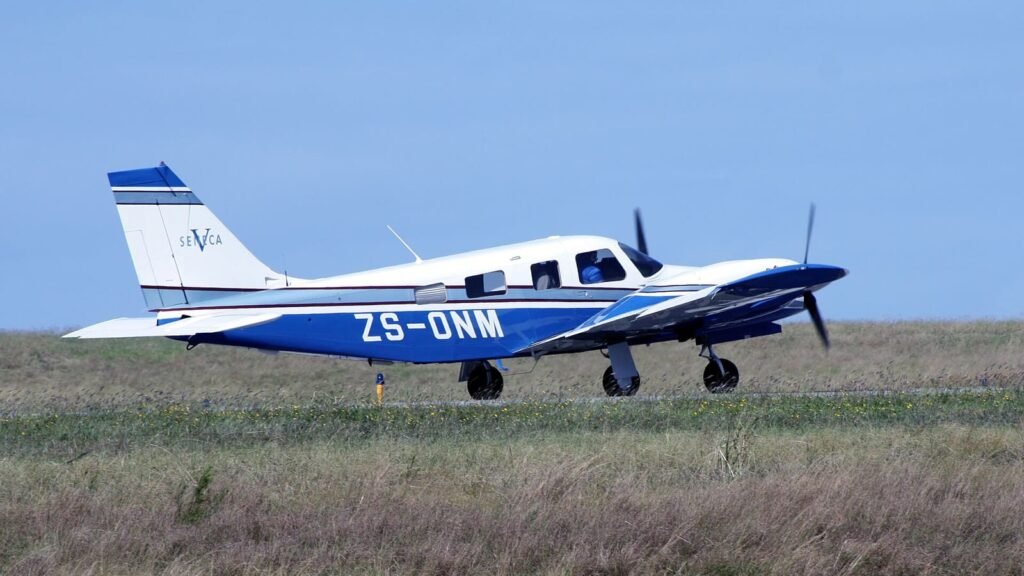
For many pilots, earning a commercial multi engine rating represents one of the most important milestones in their aviation career. It is often the point where flying transitions from a personal passion into a professional opportunity.
While a private multi-engine rating allows pilots to operate twin engine aircraft, a commercial multi engine rating goes much further. It opens doors to charter operations, corporate aviation, flight instruction, cargo flying, and eventually airline careers. More importantly, it demonstrates that a pilot can safely manage the additional complexity, performance, and decision-making responsibilities that come with operating twin engine aircraft for compensation.
In today’s aviation industry, where modern twin engine aircraft dominate everything from business aviation to long-haul airline routes, obtaining a commercial multi engine rating is often viewed as an investment in future career growth rather than simply another certificate.
What Is a Commercial Multi Engine Rating?
A commercial multi engine rating is an FAA class rating that allows a commercial pilot to legally operate aircraft with more than one engine while exercising commercial privileges.
Unlike a private multi-engine rating, which primarily expands the types of aircraft a pilot may fly, the commercial version allows pilots to be compensated for operating twin engine aircraft.
This distinction is extremely important because many aviation employers specifically require a commercial multi engine rating before considering applicants.
Whether the goal is flying charter passengers, transporting executives, conducting cargo operations, or eventually moving into regional airline cockpits, the rating serves as a critical qualification.
Modern twin engine aircraft demand a higher level of systems knowledge, emergency management, and performance planning than most single-engine aircraft. The commercial rating verifies that a pilot possesses these skills at a professional level.
Why Twin Engine Aircraft Dominate Professional Aviation
To understand the importance of a commercial multi engine rating, it helps to understand how aviation itself has evolved.
Decades ago, many commercial operations relied on a mixture of single-engine and multi-engine aircraft. Today, however, most professional flying is heavily centered around twin engine aircraft.
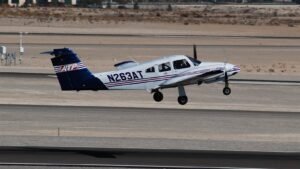
Aircraft such as the:
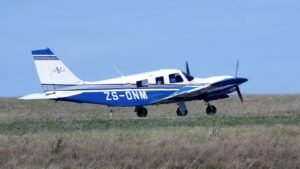
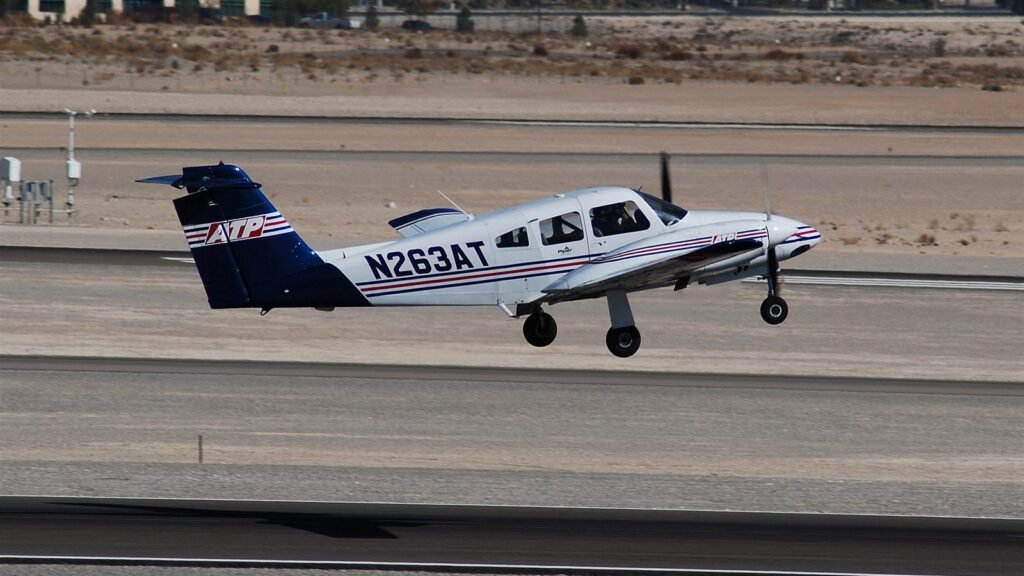
- Piper Seminole
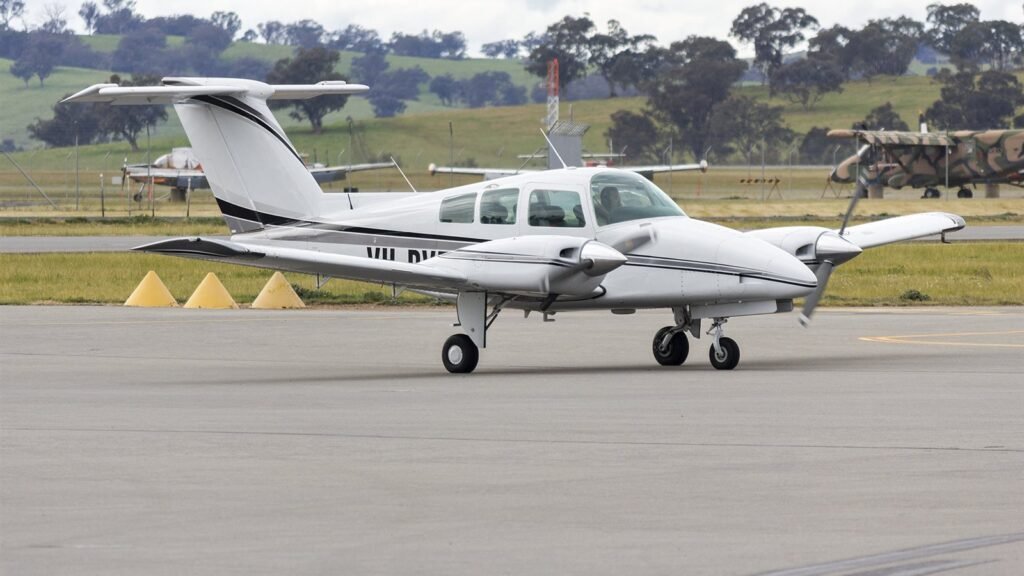
- Beechcraft Baron
- King Air series
- ATR family
- Boeing 737
- Boeing 777
- Airbus A320
- Airbus A350
all depend on twin engine concepts and multi-engine operational principles.
Modern engines have become incredibly reliable, allowing twin engine aircraft to perform missions that once required three or four engines. As a result, airlines and operators benefit from lower fuel costs, reduced maintenance expenses, and improved operational efficiency.
For pilots, this means that understanding multi-engine operations has become more important than ever.
Who Needs a Commercial Multi Engine Rating?
Not every pilot requires a commercial multi engine rating, but for many aviation career paths it becomes a critical qualification. As modern aviation increasingly relies on twin engine aircraft for both passenger and cargo operations, pilots with multi-engine credentials often enjoy more career opportunities and greater flexibility in the job market.
A multi engine commercial pilot may work in a variety of aviation sectors, from flight instruction and charter operations to corporate aviation and eventually the airlines. In many cases, employers view a commercial multi engine rating as evidence that a pilot has progressed beyond basic aircraft handling and developed the systems knowledge, decision-making skills, and emergency management capabilities required for professional flying.
Charter Operations
One of the most common career paths for pilots with a commercial multi engine rating is charter flying.
Part 135 operators frequently use twin engine aircraft to transport passengers, cargo, medical teams, and time-sensitive freight. Aircraft such as the Beechcraft Baron, Piper Seneca, King Air, and other multi-engine platforms are widely used throughout the charter industry.
Because these flights often operate on demanding schedules and into a variety of airports, employers typically require pilots to possess multi-engine qualifications before assigning them to revenue-generating operations. A commercial multi engine rating demonstrates that the pilot can safely manage asymmetric flight situations, engine failures, and the increased workload associated with twin engine aircraft.
Corporate Aviation
Business aviation relies heavily on twin engine aircraft ranging from high-performance turboprops to sophisticated business jets.
Corporate operators place a strong emphasis on professionalism, safety, and operational efficiency. As a result, candidates who already hold a commercial multi engine rating are often more competitive during the hiring process.
Flying executives and corporate clients requires more than simply operating the aircraft. Pilots must manage complex systems, coordinate logistics, handle changing weather conditions, and maintain high service standards. Multi-engine experience helps prepare pilots for these responsibilities while building confidence in larger and faster aircraft.
Flight Instruction
Many professional pilots build experience by becoming Multi-Engine Instructors (MEI).
Before teaching in twin engine aircraft, pilots must first gain significant multi-engine knowledge and experience themselves. Obtaining a commercial multi engine rating is one of the first steps toward that goal.
Multi-engine instruction allows pilots to develop advanced teaching skills while accumulating valuable flight time. It also provides extensive experience with engine-out procedures, asymmetric thrust, VMC demonstrations, and emergency operations. Because of the specialized nature of the training, multi-engine instructors often command higher hourly rates than instructors limited to single-engine aircraft.
Airline Careers
For many pilots, the ultimate goal of obtaining a commercial multi engine rating is an airline career.
Most airline pilots begin accumulating multi-engine experience long before they enter a regional or major airline cockpit. Modern commercial aviation is dominated by twin engine aircraft, including aircraft families such as the Boeing 737, Boeing 777, Airbus A320, and Airbus A350.
Airlines value pilots who already understand multi-engine aerodynamics, systems management, crew coordination, and engine-out procedures. As a result, a commercial multi engine rating often serves as one of the first major milestones on the path toward airline transport operations.
Cargo and Special Mission Flying
Another area where a multi engine commercial pilot may find opportunities is cargo and special mission operations.
Many cargo companies use twin engine aircraft to transport freight between regional airports, often during nighttime operations or in challenging weather conditions. Other organizations use multi-engine aircraft for aerial survey work, medical transport, government contracts, and environmental monitoring.
These missions frequently require pilots who can operate independently, manage complex aircraft systems, and make sound decisions under pressure. Multi-engine training provides a strong foundation for these demanding roles.
Why Employers Value Multi-Engine Experience
Regardless of the specific career path, employers consistently value pilots who possess a commercial multi engine rating because the training develops skills that extend far beyond simply flying an aircraft.
Multi-engine pilots learn to manage higher workloads, understand complex aircraft systems, perform detailed performance calculations, and respond effectively to emergencies. These abilities are transferable across nearly every segment of professional aviation and help prepare pilots for larger, faster, and more sophisticated aircraft throughout their careers.
For many pilots, earning a commercial multi engine rating is not just another certification — it is the gateway to professional aviation.
What Makes Twin Engine Flying Different?
One reason employers value a commercial multi engine rating is because operating twin engine aircraft requires a fundamentally different mindset.
A pilot moving from single-engine to twin engine operations quickly discovers that flying is no longer just about controlling the aircraft. The transition is often described as one of the biggest leaps in a pilot’s development because the aircraft introduces entirely new aerodynamic principles, performance considerations, and emergency scenarios that simply do not exist in most single-engine flying.
It becomes about managing systems, performance, and risk.
In a single-engine aircraft, the pilot’s primary concern during an engine failure is finding a suitable place to land. In a twin engine aircraft, the situation is far more complex. The aircraft can often continue flying safely on one engine, but only if the pilot understands how to manage asymmetric thrust, maintain directional control, and configure the aircraft properly. This is where multi-engine training becomes critically important.
Twin engine pilots must understand:
- asymmetric thrust
- VMC limitations
- engine-out procedures
- advanced fuel systems
- propeller management
- performance calculations
- emergency decision-making
Unlike most training aircraft, twin engine airplanes require constant awareness of both engines and the systems that support them. Pilots must monitor fuel flow, engine temperatures, pressures, electrical loads, and aircraft performance throughout every phase of flight.
The aircraft is often faster, heavier, and more complex.
Because of the increased performance, situations develop much more quickly. A twin engine aircraft can cover significantly more distance in the same amount of time, meaning pilots must think further ahead and make decisions earlier. Approaches are faster, climb rates are higher, and mistakes can become more difficult to correct if they are allowed to develop.
One of the most challenging aspects of twin engine flying is learning how the aircraft behaves after an engine failure. Losing one engine does not simply mean losing half the power. The resulting yawing and rolling forces can dramatically affect controllability if not handled correctly. This is why multi-engine pilots spend so much time practicing engine-out procedures, VMC demonstrations, and emergency scenarios during training.
Many instructors joke:
“Single-engine flying teaches you how to fly. Multi-engine flying teaches you how to manage.”
Behind the joke lies a significant truth.
A commercial multi engine rating is not simply about learning to operate an aircraft with two engines. It is about developing professional-level decision-making skills, understanding advanced aircraft systems, and learning how to safely manage abnormal situations under pressure. These are the same skills that later become essential in charter operations, corporate aviation, turboprop flying, and eventually airline careers.
For many pilots, multi-engine training is the first time they begin thinking like professional aviators rather than simply aircraft operators.
FAA Requirements for a Commercial Multi Engine Rating
The FAA establishes clear standards for obtaining a commercial multi engine rating.
Pilots generally must:
- hold a Commercial Pilot Certificate or higher
- possess a valid FAA medical certificate
- complete multi-engine ground training
- receive instructor endorsements
- pass an FAA practical test
Unlike some ratings, there is no strict minimum flight-hour requirement.
Instead, the focus is on proficiency.
Most pilots require approximately 7 to 15 hours of dual instruction before being ready for the practical test, although actual training time varies depending on previous experience.
The FAA practical test evaluates:
- aircraft systems knowledge
- performance planning
- emergency procedures
- engine-out operations
- VMC demonstrations
- single-engine approaches
- aeronautical decision-making
The goal is not simply to demonstrate technical skill but to prove the ability to safely operate a twin engine aircraft in real-world situations.
The Financial Investment
Training for a commercial multi engine rating requires both time and financial commitment. Unlike basic single-engine training, multi-engine aircraft are significantly more expensive to operate because of higher fuel consumption, more complex maintenance requirements, insurance costs, and instructor specialization.
Depending on the flight school, aircraft type, location, and how quickly a pilot completes training, the total cost for a commercial multi-engine add-on typically ranges between $4,500 and $11,000 in the United States.
Typical expenses often include:
- $4,000–$8,000+ for aircraft rental and flight instruction
- $600–$800 for the FAA Designated Pilot Examiner (DPE) practical test fee
- simulator sessions and ground instruction
- study materials and training resources
- FAA application and administrative fees in some training programs
Many schools estimate that pilots will need approximately 7–15 hours of multi-engine flight training, although the exact number varies depending on previous experience and proficiency.
For example, several U.S. flight academies currently advertise multi-engine programs in the $4,800–$6,000 range, while more extensive commercial multi-engine courses can exceed $9,000–$11,000 depending on aircraft type and included training hours.
At first glance, the investment may seem substantial. However, many professional pilots view a commercial multi engine rating as one of the highest-return certifications in aviation training.
Unlike some ratings that primarily expand recreational flying opportunities, a commercial multi-engine qualification directly increases access to professional aviation jobs. Charter companies, cargo operators, corporate flight departments, and regional airline pathways often prioritize pilots with verified multi-engine experience because twin engine aircraft dominate much of modern commercial aviation.
A commercial multi engine rating can also accelerate career progression. Multi-engine pilots frequently gain access to higher-paying positions earlier than pilots limited to single-engine operations. In many cases, the increased earning potential offsets the cost of training relatively quickly.
Another important factor is long-term career flexibility. Pilots with multi-engine qualifications are often eligible for a wider range of aircraft, missions, and employers. As aviation technology continues moving toward advanced twin engine platforms, multi-engine experience becomes increasingly valuable across nearly every sector of professional flying.
For pilots pursuing airline, corporate, charter, or advanced instructional careers, the rating is rarely viewed as an expense alone. Instead, it is often considered a strategic investment in future opportunities, higher income potential, and long-term aviation growth.
Why Employers Value Multi-Engine Experience
Employers understand that twin engine flying develops skills that extend far beyond aircraft operation.
Pilots with multi-engine experience typically demonstrate:
- stronger situational awareness
- better systems management
- advanced emergency handling
- improved workload prioritization
- greater operational discipline
These qualities are valuable in every area of professional aviation.
This is one reason airlines frequently look favorably on applicants with substantial twin engine experience.
The aircraft itself matters less than the decision-making habits developed during multi-engine training.
Is a Commercial Multi Engine Rating Worth It?
For pilots pursuing professional aviation careers, the answer is usually yes.
The rating provides access to a broader range of jobs, higher earning potential, and more advanced aircraft.
It also develops skills that become essential later in aviation careers.
Even pilots who ultimately fly large transport-category aircraft often look back on multi-engine training as one of the most important learning experiences they ever had.
The lessons learned during engine-out scenarios, asymmetric flight, and complex systems management continue to apply throughout an entire career.
Conclusion
A commercial multi engine rating is far more than another certificate in a pilot’s logbook. It represents a major step toward professional aviation and demonstrates the ability to safely operate complex twin engine aircraft under commercial standards.
Whether the goal is charter flying, corporate aviation, flight instruction, cargo operations, or airline employment, the rating opens opportunities that simply are not available to pilots limited to single-engine operations.
Most importantly, it builds the skills, discipline, and confidence required to manage the unique challenges of twin engine aviation.
To learn more about the training process and skills required to operate twin engine aircraft professionally, continue here:
https://melibrary.pro/article/twin-engine-training/