
Practical training material for multi-engine students and instructors. Articles in this section walk through the maneuvers and procedures you will fly in a twin — VMC demonstrations, engine failure on takeoff and in cruise, single-engine approaches, steep turns and slow flight — together with the checklists and techniques that make them safe. Use it to prepare before each training flight and to review after it.
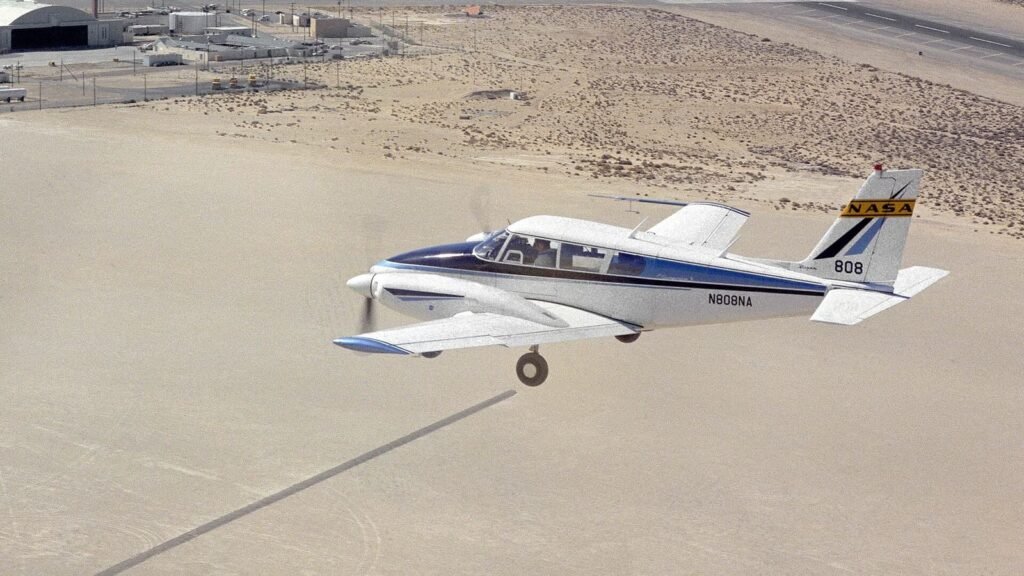


First Multiengine Lesson Gone Wrong: What a Twin Comanche Story Teaches
A first multiengine lesson in a Twin Comanche turned into a real emergency. What the story teaches about choosing an instructor, red flags, zero-thrust training and feathered-engine restarts.
Why Multi Engine Training Is a Must for Commercial Pilots?
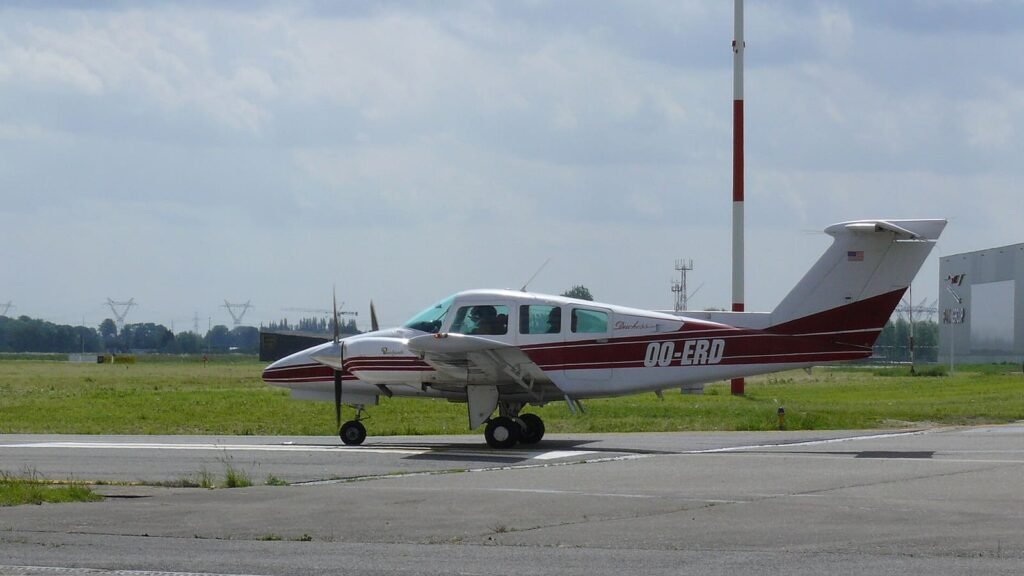
Becoming a Twin Engine Commercial Pilot requires more than learning to operate a second engine. Explore multi-engine aerodynamics, VMC, VYSE, engine-out performance, aircraft systems, commercial standards, decision-making and the skills that prepare pilots for more advanced professional flying.
BEECHCRAFT KING AIR 90, 100, 200, 250, 260
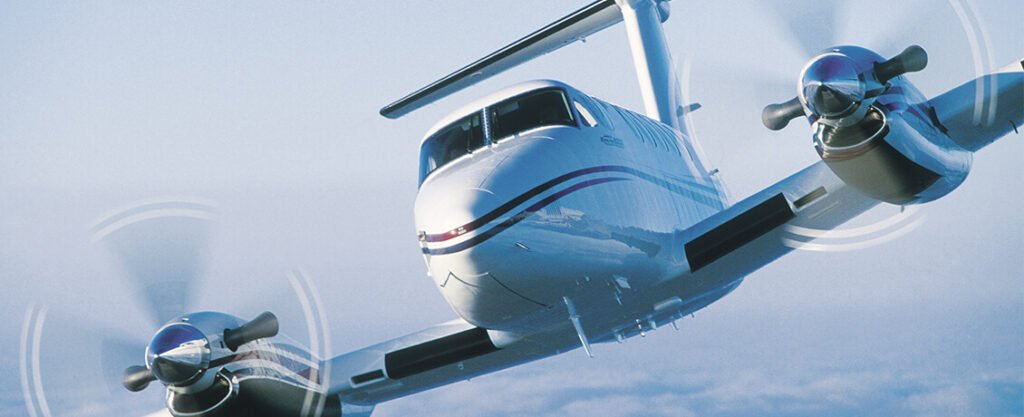
Beechcraft King Air Training prepares pilots for one of aviation’s best-known twin-engine turboprop families. Explore King Air 90, 100, 200, 250 and 260 training, aircraft systems, PT6 engines, engine-out procedures, simulator scenarios and professional pilot proficiency.
Flight Instructor – MEI
Becoming a Multi-Engine Flight Instructor means learning to teach twin engine flying from the right seat. Explore MEI requirements, VMC, asymmetric thrust, engine-out instruction, aircraft systems, right-seat proficiency, and the FAA practical test.
Multi-Engine Add-On Rating
A Multi-Engine Add-On Rating allows qualified airplane pilots to expand into twin engine aircraft. Learn the FAA requirements, training process, VMC, asymmetric flight, engine-out performance, and what to expect on the practical test.
Step-by-Step Guide to Multi-Engine Training for Commercial Pilots
If you are planning a long-term career in aviation, moving beyond single-engine airplanes is an important and often unavoidable step. Airlines, charter operators, corporate flight departments, and cargo companies expect pilots to be comfortable operating faster and more complex aircraft, which is why the multi-engine training process plays such an important role in professional pilot […]
What Is Multi Engine Flight Training and Why It Matters for Career Pilots
Multi engine flight training is one of the most important milestones for pilots pursuing a professional aviation career. While most pilots begin flying in single-engine airplanes, the vast majority of commercial, corporate, and airline positions require experience operating twin engine aircraft. This advanced training introduces higher-performance airplanes, more sophisticated aircraft systems, and a significantly greater […]
The Difference Between a Forward Slip and a Sideslip
The debate around forward slip vs sideslip is surprisingly common in aviation. Even experienced pilots and instructors sometimes use the terms interchangeably, which creates confusion for student pilots trying to understand the real aerodynamic difference between the two maneuvers. At first glance, both maneuvers appear almost identical. In both cases, the pilot applies opposite rudder […]
Step-by-Step Guide: How to Land a Piper Seminole Safely
The Piper Seminole is one of the most widely used aircraft in multi-engine flight training. Learning proper piper seminole landing procedures is an important step for pilots transitioning from single-engine aircraft to twin-engine operations. Unlike many single-engine trainers, the Seminole introduces pilots to the complexities of multi-engine flight, including asymmetric thrust, power management, and more […]
EASA Multi-Engine Training
EASA Multi-Engine Training: Requirements, Structure, and Real-World Skills Multi-engine training under EASA regulations represents a critical step for pilots pursuing professional aviation careers, particularly those aiming for airline operations. Unlike single-engine training, EASA multi-engine qualification is tightly integrated into the regulatory framework governing type ratings, multi-crew operations, and instrument privileges. Understanding how EASA multi-engine training […]
Five Twin Training Tips
As the controller calmly asked, “Would you like to declare an emergency?”, I already knew the answer. Glancing at the stopped and perfectly feathered left engine on my Cessna 310R—a Twin Engine aircraft I had owned for barely ten days—there was no hesitation: “Yes.” Just moments earlier, the engine began shaking so violently that I […]
Multiengine Training
It’s All About Single-Engine Flying For a pilot intent on continually advancing skills, ratings, and certificates, the natural progression is to earn the private pilot certificate, followed by an instrument rating, and then the multiengine rating. Stepping up to a multiengine airplane typically means stepping up to greater climb, cruise, and payload performance than most […]
Training and Safety Tip: Every twin has a dark side
Twin Engine Safety – Why It Matters Twin engine safety is critical for every pilot. Few moments in a career are as dangerous as losing control after an engine failure in a twin-engine aircraft. Understanding Airspeed Redlines in Twin Engine Safety The airspeed indicator in most twin-engine airplanes has two redlines: one at the top […]
