The debate around forward slip vs sideslip is surprisingly common in aviation. Even experienced pilots and instructors sometimes use the terms interchangeably, which creates confusion for student pilots trying to understand the real aerodynamic difference between the two maneuvers.
At first glance, both maneuvers appear almost identical. In both cases, the pilot applies opposite rudder and aileron input, intentionally placing the aircraft into an uncoordinated condition. However, the purpose, aircraft attitude, and aerodynamic behavior are very different — especially in twin engine aircraft where asymmetric control and directional stability become far more important.
Understanding the difference is not just about terminology. It directly affects aircraft controllability, crosswind handling, descent management, and pilot situational awareness during critical phases of flight.
In modern twin engine operations, these concepts become even more important because larger aircraft, stronger yawing forces, and more complex aerodynamic behavior require pilots to understand exactly how slip maneuvers affect aircraft stability.
Understanding Slip Maneuvers in Aviation
At its core, a slip is simply an intentional uncoordinated flight condition.
Normally, pilots try to keep the aircraft coordinated, meaning airflow remains aligned with the aircraft’s longitudinal axis. In coordinated flight, the turn coordinator ball stays centered, passengers feel balanced, and aerodynamic drag remains relatively low.
During slip maneuvers aviation techniques, however, pilots intentionally cross-control the aircraft by using opposite rudder and aileron. This changes the aircraft’s orientation relative to its flight path and creates additional aerodynamic drag.
To passengers, a slip can feel strange because the aircraft no longer points exactly where it is traveling. But to pilots, slips are extremely useful tools that allow better crosswind control, improved visibility, or rapid altitude loss without increasing airspeed.
This is one reason instructors often say:
“A slip is controlled imbalance.”
What Is a Sideslip?
When discussing forward slip vs sideslip, the sideslip is generally the easier maneuver to understand because pilots use it frequently during crosswind landings.
In a sideslip, the aircraft’s nose remains aligned with the direction of travel while one wing is lowered into the wind. Rudder is applied opposite the bank angle to prevent the aircraft from turning.
The purpose is simple:
- stop lateral drift
- maintain runway alignment
- touch down smoothly in crosswind conditions
This technique becomes especially important in twin engine crosswind landing operations, where larger aircraft are more sensitive to drift and directional instability during touchdown.
In twin engine aircraft, maintaining runway alignment is critical because asymmetric thrust effects and larger vertical stabilizers can amplify directional forces near the ground. Even small alignment errors during landing can create significant side loads on landing gear.
For this reason, many professional pilots prefer using a stabilized sideslip during the final phase of landing rather than relying entirely on crab techniques.
Why Twin Engine Aircraft Require Better Slip Control
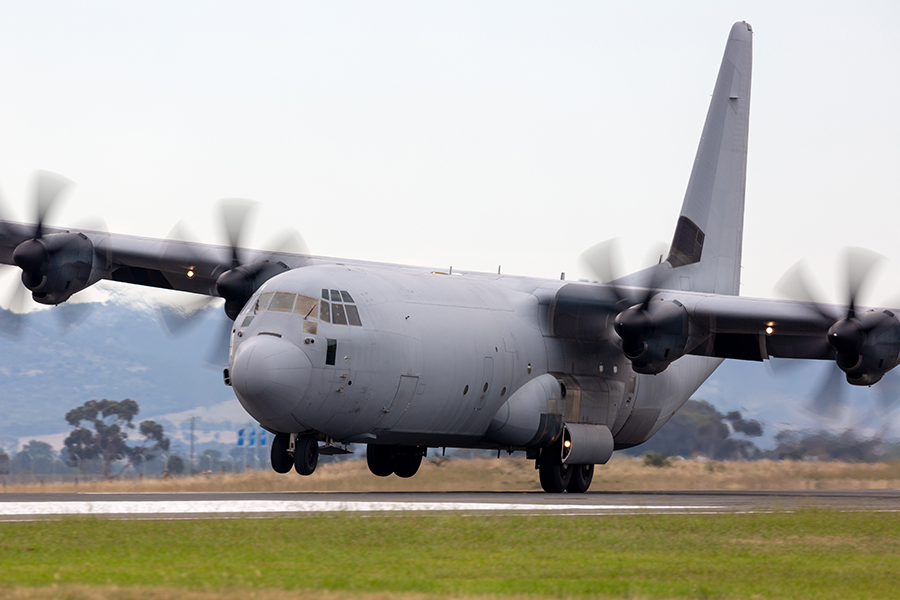
In smaller single-engine aircraft, slips often feel forgiving and relatively easy to manage. In twin engine aircraft, however, the situation becomes far more dynamic.
Larger wingspans, heavier aircraft weight, and stronger yawing tendencies mean that improper slip inputs can quickly destabilize the approach. This is particularly true during asymmetric flight conditions or engine-out scenarios.
A sideslip twin engine aircraft maneuver therefore requires more precision. Pilots must carefully balance rudder and aileron input while maintaining proper airspeed and descent profile.
This is one reason multi-engine pilots spend so much time training directional control techniques. In many ways, slips teach pilots how the aircraft behaves when symmetry disappears — which directly relates to engine-out handling and asymmetric thrust management.
What Is a Forward Slip?
The second half of the forward slip vs sideslip discussion involves a maneuver designed primarily to increase drag and lose altitude rapidly.
In a forward slip, the aircraft’s nose intentionally points away from the direction of travel while the lowered wing points toward the flight path. Unlike a sideslip, the aircraft is no longer aligned with its actual movement through the air.
The result is dramatic aerodynamic drag.
Before modern flaps became common, forward slips were frequently used to steepen descents during landing approaches. Even today, pilots may use them if they approach too high or need to lose altitude quickly without increasing speed.
In forward slip aerodynamics, the amount of descent is heavily influenced by bank angle and rudder input. The greater the cross-controlled input, the greater the drag generated by the aircraft.
Pilots often describe a strong forward slip as feeling almost like “hanging the airplane sideways in the air.”
Why Forward Slips Can Be More Complicated in Twin Engine Aircraft
Forward slips become significantly more complex in twin engine aircraft.
Because twin engine airplanes already deal with larger yawing moments and more powerful control surfaces, aggressive cross-controlled inputs can create unusual aerodynamic effects. Some aircraft even restrict forward slips with flaps extended because disturbed airflow may reduce rudder effectiveness or create pitch oscillations.
This is particularly important during engine-out scenarios where the aircraft may already be operating with asymmetric thrust. Adding aggressive slip inputs on top of asymmetric power conditions can increase workload dramatically.
For this reason, many multi-engine aircraft procedures emphasize careful configuration management and stabilized approaches rather than aggressive slipping maneuvers close to the ground.
In professional aviation, stability almost always takes priority over aggressive maneuvering.
Slips and Asymmetric Flight: An Important Connection
One fascinating aspect of forward slip vs sideslip training is how closely slips relate to asymmetric flight control.
When pilots practice slips, they are indirectly learning how rudder and aileron interact during unbalanced aerodynamic conditions. This becomes extremely valuable later during multi-engine training, especially during engine-out operations.
In fact, many instructors intentionally use slips to teach:
- rudder authority
- directional stability
- aerodynamic coordination
- energy management
- asymmetric flight control
The skills learned during slips directly improve pilot awareness during emergencies and crosswind operations.
This is why slips remain part of flight training even in modern glass-cockpit aircraft with advanced automation systems.
Aerodynamics still matter.
Why Pilots Still Confuse the Terminology
One reason the forward slip vs sideslip debate never fully disappears is because the terminology itself feels counterintuitive.
In a forward slip, the aircraft actually moves somewhat sideways relative to the airflow. In a sideslip, the aircraft remains aligned with the direction of travel. The names sound backwards to many pilots, especially early in training.
Because of this, many pilots focus more on practical application than strict terminology.
And honestly, aviation instructors usually care far more about whether a pilot understands the maneuver than whether they use the perfect wording.
Still, in multi-crew environments and professional aviation, clear terminology matters because misunderstandings during high-workload situations can create real safety risks.
Conclusion
Understanding forward slip vs sideslip is about much more than memorizing aviation terminology.
These maneuvers teach pilots how aircraft behave during uncoordinated flight, how rudder and aileron interact, and how aerodynamic forces affect stability and control. In twin engine aircraft, these concepts become even more important because larger aircraft, asymmetric thrust, and higher performance demand greater precision from pilots.
A sideslip helps maintain runway alignment during crosswind landings. A forward slip helps increase drag and lose altitude rapidly. Both maneuvers reveal fundamental truths about aircraft control — especially in twin engine flying where directional stability plays a critical role.
To better understand how aerodynamic control and asymmetric performance influence multi-engine flying, continue here:
https://melibrary.pro/article/multiengine-training/