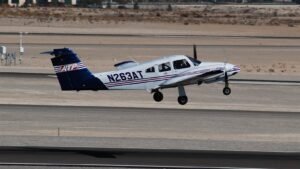
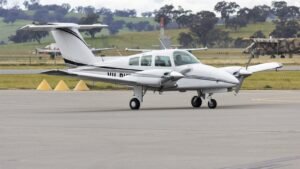
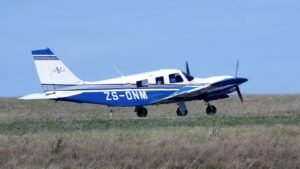
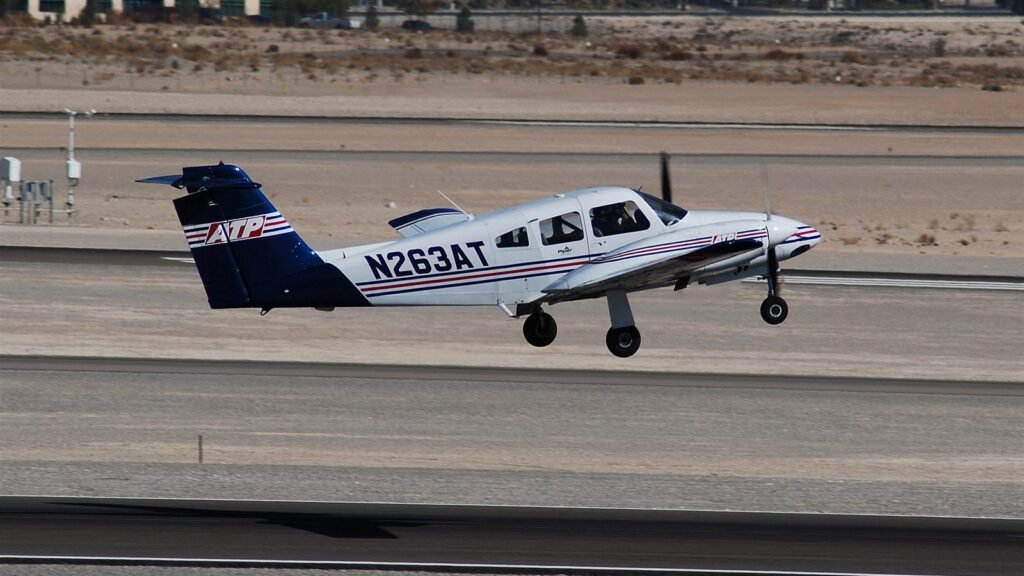
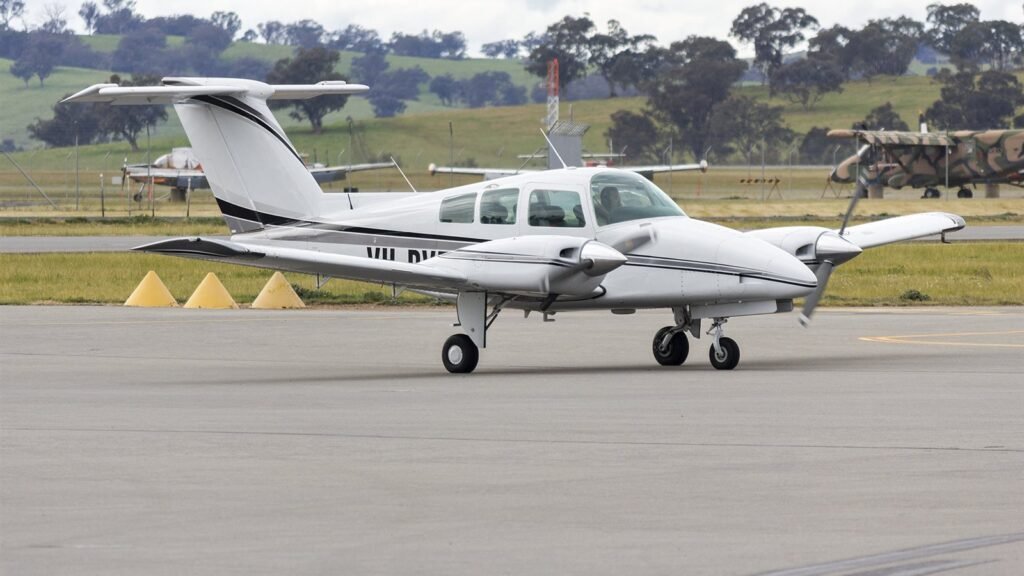
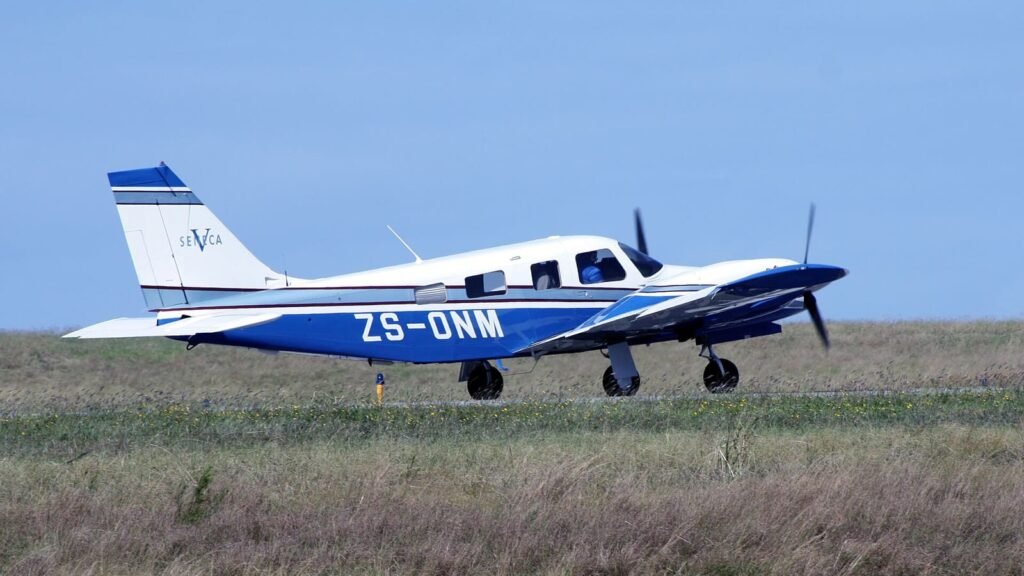
If you are planning a long-term career in aviation, moving beyond single-engine airplanes is an important and often unavoidable step. Airlines, charter operators, corporate flight departments, and cargo companies expect pilots to be comfortable operating faster and more complex aircraft, which is why the multi-engine training process plays such an important role in professional pilot development. It introduces pilots to higher workloads, advanced aircraft systems, greater performance capabilities, and the operational discipline required to manage a twin engine aircraft safely.
Many future commercial pilots are excited by the idea of flying larger aircraft but are uncertain about what multi-engine training actually involves. Common questions include whether the course is difficult, how long it takes, what skills are tested, and whether earning a multi-engine rating can improve airline employment prospects. The answers depend on the pilot’s previous experience, preparation, training frequency, aircraft availability, and the requirements of the relevant aviation authority.
This guide explains the multi-engine training process step by step, from eligibility requirements and ground school to aircraft familiarization, engine-out exercises, and the final checkride. Understanding the complete training pathway before beginning a commercial pilot course helps students prepare more effectively, select the right flight school, and approach twin engine flight training with realistic expectations.
What Is Multi-Engine Training?
Multi-engine training teaches pilots how to operate an aircraft powered by more than one engine, most commonly a light twin engine airplane used for advanced commercial training. Although many normal procedures are similar to those used in single-engine aircraft, twin engine operations introduce new aerodynamic effects, more complex systems, higher speeds, and a much greater need for precise cockpit management.
One of the most important differences is the effect of asymmetric thrust. When both engines are producing equal power, the aircraft remains balanced around its longitudinal axis. If one engine loses power, however, the operating engine continues producing thrust on one side of the aircraft, creating strong yaw and roll tendencies. The pilot must respond with correct rudder input, maintain a safe airspeed, identify the failed engine, and configure the aircraft to reduce drag while protecting directional control.
During the multi-engine training process, pilots learn how to manage normal operations and respond safely to abnormal situations. Training usually includes:
- controlling asymmetric thrust;
- identifying and managing engine failures;
- performing engine-out and emergency procedures;
- operating constant-speed propellers and retractable landing gear;
- monitoring fuel, electrical, and engine systems;
- flying instrument procedures and approaches;
- improving cockpit organization and workload management.
These skills are essential for commercial pilots who intend to fly regional aircraft, business airplanes, turboprops, cargo aircraft, or airline jets. Even though training often takes place in a relatively small piston twin, the procedures and habits developed during the course form a foundation for more advanced twin engine operations.
Why Multi-Engine Training Matters for Commercial Pilots
Pilots often begin multi-engine training because it is required for a specific license, rating, or future job. However, the real value of the training extends far beyond adding another qualification to a pilot certificate. It changes the way pilots plan flights, monitor aircraft performance, manage risk, and respond to rapidly developing situations.
Better Aircraft Handling Skills
Twin engine aircraft are generally faster, heavier, and more responsive to power changes than the airplanes used during basic private flight training. Events develop more quickly, and pilots must stay ahead of the aircraft throughout takeoff, climb, cruise, approach, and landing. The multi-engine training process improves precision because pilots must coordinate power, propeller settings, aircraft configuration, and directional control while continuously monitoring both engines.
Training also develops a more advanced understanding of airspeed management. Speeds such as VMC, Vyse, and single-engine approach speeds are not simply numbers to memorize; they represent important aerodynamic and performance limits. Pilots learn why maintaining the correct speed is critical, especially when one engine is inoperative and available climb performance may be limited.
Stronger Emergency Management
An engine failure in a twin engine aircraft requires immediate but disciplined action. The failure may cause sudden yaw, reduced climb performance, increased drag, and a rapid rise in cockpit workload. Pilots must first maintain aircraft control, then identify the problem, verify the failed engine, complete the appropriate checklist, and decide whether to continue the flight, return to the airport, or land as soon as practical.
This training improves emergency judgment because pilots practice separating urgent actions from secondary tasks. The principle of “aviate, navigate, communicate” becomes especially important when asymmetric thrust is affecting control. Through repetition, pilots learn to avoid rushed or incorrect actions, including shutting down the wrong engine, allowing airspeed to decay, or becoming distracted by checklists before stabilizing the aircraft.
Airline Career Advantage
Airlines and professional operators value pilots with multi-engine experience because it demonstrates exposure to complex aircraft, structured procedures, and higher-workload operations. A multi-engine rating does not automatically guarantee an airline job, but it is an important qualification for many commercial career pathways and often serves as a prerequisite for accumulating multi-engine flight time.
The experience also makes later transitions into turboprops and jets more manageable. Concepts such as engine-out performance, checklist discipline, systems monitoring, standard operating procedures, and crew coordination become increasingly important as aircraft size and complexity increase.
Greater Confidence in Complex Operations
Multi-engine training often includes cross-country flights, instrument procedures, performance calculations, and simulated emergencies. These activities require pilots to manage several responsibilities at the same time without losing situational awareness. As a result, students often become more organized, deliberate, and confident in the cockpit.
The confidence developed during the course is not based simply on flying a more powerful airplane. It comes from understanding the aircraft, recognizing its limitations, and knowing how to respond when conditions do not develop as planned. This is one of the most valuable outcomes of the entire multi-engine training process.
Step-by-Step Process of Multi-Engine Training
Although the exact sequence varies between countries, aviation authorities, and training organizations, most multi-engine courses follow a similar progression. Students first confirm that they meet the eligibility requirements, then complete theoretical preparation, simulator exercises where available, aircraft familiarization, dual flight training, engine failure practice, and a final skill test or checkride.
Step 1: Meet the Eligibility Requirements
Before beginning the multi-engine training process, pilots must confirm that they meet the licensing, medical, and experience requirements established by the relevant aviation authority. These requirements vary depending on whether the pilot is training under FAA, EASA, DGCA, or another national regulatory system.
In many commercial training programs, applicants are expected to have:
- a valid Commercial Pilot License or to be close to completing CPL training;
- a current medical certificate appropriate for commercial operations;
- the required total flight time and pilot-in-command experience;
- adequate theoretical knowledge of aircraft systems and performance;
- sufficient proficiency in normal aircraft handling and radio communication.
Some flight schools accept private pilots seeking a multi-engine class rating, while others structure their courses specifically for commercial students. Individual schools may also impose minimum flight-hour requirements or require a pre-course assessment before allowing a student to begin training.
Meeting the minimum legal requirements does not always mean a pilot is fully prepared. Students who are already comfortable with checklists, instrument scanning, navigation, and accurate aircraft control usually adapt more quickly to twin engine flight training.
Step 2: Choose the Right Flight School
Selecting the right flight school can have a major influence on training quality, safety, cost, and completion time. Multi-engine aircraft are more expensive to operate than single-engine trainers, so students should evaluate the entire program rather than choosing a school based only on the advertised hourly rate.
A strong multi-engine training provider should offer:
- well-maintained and regularly available twin engine aircraft;
- instructors with substantial multi-engine teaching experience;
- an approved and clearly structured training syllabus;
- strong maintenance and operational safety standards;
- access to appropriate simulators or flight training devices;
- transparent pricing and realistic completion estimates;
- consistent examiner or checkride availability.
Aircraft availability is especially important. A low advertised price offers little advantage if flights are repeatedly cancelled because the school has only one twin engine aircraft or frequent maintenance delays. Training continuity matters because long gaps between lessons can increase the number of hours needed to regain proficiency.
Students should also ask which aircraft type is used, how engine failures are simulated, how many hours are normally completed in the aircraft and simulator, and whether the course includes instrument procedures. The instructor’s experience is equally important, particularly because engine-out training requires careful judgment and strict safety margins.
Step 3: Ground School Training
Ground school begins before the student performs demanding maneuvers in the aircraft. This stage provides the theoretical knowledge needed to understand how a twin engine airplane behaves, why specific procedures are required, and how aircraft performance changes after an engine failure.
The ground phase of the multi-engine training process normally covers:
- multi-engine aerodynamics;
- asymmetric thrust and directional control;
- critical engine theory;
- VMC and factors affecting minimum control speed;
- single-engine climb performance;
- aircraft engines and propeller systems;
- fuel and electrical systems;
- landing gear and hydraulic systems;
- engine failure and shutdown procedures;
- weight and balance;
- takeoff and landing performance;
- accelerate-stop and accelerate-go considerations;
- aircraft limitations and emergency checklists.
A major part of ground training is understanding that two engines do not always provide twice the performance. If one engine fails, the aircraft may lose far more than half of its climb capability because the remaining engine must overcome asymmetric thrust, additional drag, and the aerodynamic penalties associated with maintaining control. In some light twin engine aircraft, single-engine climb performance may be very limited, especially at high density altitude, high weight, or with the landing gear and flaps extended.
Ground school therefore connects technical knowledge directly to operational decision-making. Pilots learn not only how to complete a checklist, but also why airspeed, configuration, altitude, aircraft weight, weather, and runway length can determine whether a twin engine aircraft can continue safely after an engine failure.

Step 4: Simulator Training
Many flight schools include simulator sessions before students begin flying the actual twin engine aircraft. Simulator training provides a controlled environment where pilots can practice complex procedures, repeat demanding scenarios, and make mistakes without exposing the aircraft or crew to unnecessary operational risk. This is especially valuable during the multi-engine training process, because some emergency situations cannot be practiced as aggressively or as frequently in a real airplane.
The simulator allows students to become familiar with the cockpit, instrument scan, checklist flow, and aircraft systems before dealing with the speed and workload of an actual flight. Instructors can pause a scenario, reposition the aircraft, repeat a failure, or introduce changing weather and system conditions. This makes it easier to analyze mistakes and understand why a particular response was effective or unsafe.
Simulator sessions commonly include:
- instrument departures and arrivals;
- instrument approaches;
- engine failures during different phases of flight;
- rejected takeoff decision-making;
- electrical, fuel, and propeller malfunctions;
- abnormal checklist use;
- cockpit coordination and workload management;
- communication during high-workload situations.
One of the greatest advantages of simulator training is repetition. A student can practice the same engine-out procedure several times in a single session, gradually improving aircraft control, callouts, and checklist discipline. This helps develop procedural memory before the pilot faces the same situation in a real twin engine aircraft.
Simulator training should not be viewed as a substitute for aircraft experience. Instead, it supports the practical phase by allowing students to arrive better prepared, more confident, and already familiar with the sequence of actions required during normal and emergency operations.
Step 5: Aircraft Familiarization
After completing the initial ground and simulator phases, students begin familiarization with the actual aircraft used for training. This stage connects theoretical knowledge with the physical cockpit and helps the pilot understand how the systems, controls, and procedures operate in practice.
Aircraft familiarization normally begins on the ground. The instructor reviews the external inspection, cockpit layout, engine controls, propeller levers, fuel selectors, landing gear system, electrical panel, circuit breakers, emergency equipment, and aircraft limitations. Students also learn where critical information is located in the pilot operating handbook and how to use it during flight planning.
During this phase, pilots practice:
- preflight inspection procedures;
- cockpit organization;
- engine startup and shutdown;
- taxiing with differential power and braking;
- normal and abnormal checklist flows;
- correct power and propeller settings;
- fuel system management;
- landing gear and flap operation;
- engine run-up procedures;
- before-takeoff checks.
Moving from a single-engine trainer to a twin engine aircraft can initially feel demanding because there are more controls, more instruments, and more systems to monitor. Power changes must often be made smoothly and symmetrically, and pilots must remain aware of both engines rather than treating them as a single power source.
The aircraft also tends to accelerate more quickly, which reduces the time available for decisions and checklist actions. Familiarization therefore focuses on cockpit organization and procedure flow, allowing the pilot to complete essential tasks without looking away from the flight instruments for too long.
Step 6: Dual Flying Sessions
The dual flight phase is where the practical multi-engine training process becomes fully established. The student flies with a qualified multi-engine instructor and begins applying ground-school knowledge in real flight conditions. Lessons normally progress from basic aircraft handling to increasingly complex normal, abnormal, and emergency operations.
Early sessions often focus on developing a feel for the aircraft. Students learn how the twin engine airplane responds to changes in power, configuration, airspeed, and trim. They also practice maintaining precise heading, altitude, and airspeed while managing the greater cockpit workload.
Dual flying sessions may include:
- normal and crosswind takeoffs;
- normal, short-field, and crosswind landings;
- steep turns and general handling;
- slow flight and stall recovery;
- engine-out procedures;
- simulated feathering and unfeathering;
- emergency descents;
- navigation exercises;
- instrument departures and approaches;
- missed approach procedures;
- single-engine approaches and landings;
- system malfunction scenarios.
Takeoffs and landings require particular attention because the aircraft is close to the ground and operating at relatively low airspeed. Students must understand when an engine failure requires an immediate rejected takeoff and when continuing the takeoff may be the safer option, depending on speed, runway remaining, aircraft performance, and the procedures established for that aircraft.
Engine-out exercises are introduced progressively. The instructor may first demonstrate the aerodynamic effects of reduced power before simulating complete engine failure scenarios. Students learn to respond with the correct rudder input, establish a safe airspeed, reduce drag, identify the failed engine, and complete the appropriate memory items and checklist.
At first, managing two engines while navigating, communicating, and maintaining aircraft control can feel overwhelming. However, regular practice allows the student to develop efficient cockpit flows and better task prioritization. Over time, actions that initially required deliberate thought become more organized and natural.
Step 7: Engine Failure Training
Engine failure training is one of the most important and demanding parts of the multi-engine training process. An engine failure in a twin engine aircraft produces much more than a simple loss of power. Because the remaining engine continues producing thrust on one side of the aircraft, the airplane experiences asymmetric yaw and roll, while performance may decrease dramatically.
The pilot’s first priority is always to maintain control. This usually requires immediate rudder input toward the operating engine, appropriate bank, and careful airspeed management. Allowing the aircraft to slow excessively can reduce rudder effectiveness and bring it closer to VMC, the minimum control speed associated with the loss of directional control under defined conditions.
During engine failure training, pilots learn how to:
- recognize the signs of an engine failure;
- maintain heading and directional control;
- establish the recommended engine-out airspeed;
- correctly identify the failed engine;
- verify the failure before securing an engine;
- reduce drag by retracting unnecessary configuration;
- feather the propeller when appropriate;
- complete memory items and written checklists;
- assess single-engine performance;
- communicate the emergency;
- plan and execute a safe landing.
A common identification method is the principle known as “dead foot, dead engine.” The foot that is not applying rudder pressure generally corresponds to the failed engine. However, identification alone is not enough. Before shutting down an engine, pilots are trained to verify the failure by carefully reducing the suspected engine’s power control and confirming that the aircraft response does not worsen.
This verification step is critical because shutting down the operating engine would leave the aircraft without power. For this reason, instructors emphasize a deliberate sequence: maintain control, identify, verify, and only then secure the engine if required.
Pilots also learn that the second engine does not guarantee continued flight. A light twin may be unable to climb on one engine under unfavorable conditions such as high weight, high density altitude, icing, terrain, or improper configuration. Safe decision-making therefore requires an honest assessment of actual performance rather than assuming that the aircraft will remain airborne simply because one engine is still operating.
Engine failure exercises build discipline, confidence, and the ability to prioritize correctly under pressure. These skills are directly relevant to airline and corporate operations, where pilots are expected to follow structured procedures while maintaining situational awareness during abnormal events.
Step 8: Skill Test and Checkride
After completing the required ground and flight training, the pilot must demonstrate proficiency during a formal skill test or checkride with an authorized examiner. The exact format depends on the aviation authority, license type, and training program, but the purpose is the same: to confirm that the applicant can operate a multi-engine aircraft safely and consistently.
Before the flight portion, the examiner may conduct an oral or theoretical assessment covering:
- multi-engine aerodynamics;
- asymmetric thrust;
- VMC and critical engine theory;
- aircraft systems and limitations;
- weight and balance;
- takeoff and landing performance;
- single-engine climb capability;
- emergency procedures;
- weather and operational decision-making.
The practical evaluation normally includes a combination of normal and abnormal operations. The applicant may be required to demonstrate:
- preflight planning and inspection;
- engine startup and taxi procedures;
- normal and crosswind takeoffs;
- aircraft handling maneuvers;
- stalls and recoveries;
- navigation;
- instrument flight procedures;
- simulated engine failures;
- engine-out approaches;
- emergency checklist use;
- normal and single-engine landings.
The examiner evaluates more than the pilot’s ability to manipulate the controls. Checklist discipline, situational awareness, risk management, communication, and sound judgment are equally important. A technically accurate maneuver may still be considered unsatisfactory if the pilot loses awareness of terrain, airspeed, configuration, or overall aircraft safety.
Engine-out scenarios are often the most significant part of the checkride. The applicant must maintain control, identify and verify the failed engine correctly, configure the aircraft, complete the required procedures, and make an appropriate decision based on aircraft performance and the surrounding conditions.
Once the pilot successfully completes the test, the multi-engine class rating or privilege is added to the license according to the applicable regulatory system. This marks the formal completion of the multi-engine training process, but it should not be viewed as the end of learning. Continued practice, recurrent training, and regular review of engine-out procedures are essential for maintaining proficiency in twin engine aircraft.

How Long Does Multi-Engine Training Take?
The duration of the multi-engine training process depends on several factors, including the structure of the course, the student’s previous experience, weather conditions, aircraft availability, instructor scheduling, and the requirements of the relevant aviation authority. Because multi-engine training is usually focused and highly practical, many pilots can complete it relatively quickly when lessons are scheduled consistently.
Typical completion times include:
- approximately one to four weeks for an intensive full-time program;
- several weeks or longer for part-time training;
- additional time when the multi-engine rating is combined with instrument, commercial, or airline preparation;
- longer completion periods when weather, maintenance, or examiner availability causes delays.
Accelerated programs work best for pilots who arrive well prepared and can train every day. Frequent lessons help students retain procedures, maintain aircraft familiarity, and build consistent engine-out skills without long interruptions between flights.
Pilots who train only once or twice per week may require additional hours because each lesson begins with a review of previous material. This does not necessarily mean that part-time training is less effective, but continuity is particularly valuable in twin engine aircraft because procedures, checklist flows, and emergency responses must become precise and automatic.
Many pilots choose to begin the multi-engine training process immediately after completing their Commercial Pilot License. At that stage, flight skills, instrument scanning, navigation habits, and study routines are still current. Continuing without a long break can make the transition smoother and reduce the time needed to rebuild proficiency.
However, speed should never become more important than competence. Completing the course in the shortest possible time has little value if the pilot memorizes procedures without understanding the aerodynamics and performance limitations behind them. The goal is not simply to pass a checkride but to develop safe, repeatable skills that can be applied throughout a professional flying career.
Common Challenges During Multi-Engine Training
Multi-engine training is demanding because it combines faster aircraft, more complex systems, higher workloads, and emergency procedures that require accurate responses. Many students initially feel overwhelmed, even when they have strong single-engine experience. These challenges are a normal part of the learning process and often contribute to some of the most important improvements in a pilot’s overall ability.
Increased Cockpit Workload
One of the first differences students notice is the increased pace of operations. A twin engine aircraft may climb, accelerate, and approach much faster than the aircraft used during basic training. Pilots must manage power, propeller settings, fuel systems, landing gear, flaps, navigation, radio communication, and engine instruments while maintaining precise control.
The challenge is not simply completing more tasks. Pilots must complete them in the correct order and at the correct time. Poor cockpit organization can lead to missed checklist items, unstable approaches, incorrect power settings, or reduced situational awareness.
During the multi-engine training process, students learn to use structured cockpit flows, standard callouts, checklists, and task prioritization. These techniques reduce mental workload and help pilots remain ahead of the aircraft rather than reacting to events after they occur.
Engine-Out Procedures
Engine-out operations are often the most difficult part of multi-engine training. When one engine fails, thrust becomes asymmetric, directional control becomes more demanding, and aircraft performance may decrease significantly. The pilot must respond quickly enough to maintain control but deliberately enough to avoid incorrect actions.
Students must learn to apply rudder, control bank angle, maintain a safe airspeed, identify the failed engine, verify the diagnosis, reduce drag, and complete the correct checklist. At the same time, they may need to communicate with air traffic control, evaluate terrain, assess weather, and decide where to land.
The most common difficulty is trying to complete procedures too quickly. Pilots may focus on identifying the failed engine before stabilizing the aircraft, rush through memory items, or allow airspeed to decay while looking inside the cockpit. Training therefore reinforces the principle that aircraft control always comes first.
Faster Decision-Making
Higher operating speeds mean that situations develop more quickly. During takeoff, approach, or engine failure scenarios, pilots may have only a short period to evaluate conditions and choose the safest course of action.
For example, an engine failure during the takeoff roll may require an immediate rejected takeoff, while a failure after becoming airborne may require continued flight, configuration changes, and an emergency return. The correct response depends on runway remaining, altitude, airspeed, aircraft weight, obstacle clearance, and actual single-engine performance.
The multi-engine training process teaches pilots to prepare decisions before they are needed. Departure briefings, performance calculations, and predefined emergency plans reduce hesitation during critical moments. This is an important professional habit because good decision-making often begins before the aircraft starts moving.
Managing Stress
Simulated emergencies, higher workloads, and complex procedures can be mentally demanding. Students may initially become tense, rush through checklists, fixate on one instrument, or lose awareness of the overall flight situation.
Regular practice gradually changes this response. As procedures become familiar, pilots learn to slow their thinking even when the aircraft is moving quickly. They become better at separating urgent problems from non-urgent tasks and at maintaining control before addressing secondary concerns.
Instructors also help students understand that stress is not eliminated by experience; it is managed through preparation, discipline, and structured action. A confident pilot is not someone who never feels pressure, but someone who can continue making safe decisions while pressure is present.
Understanding Single-Engine Performance
Another major challenge is accepting how limited single-engine performance can be in some light twin engine aircraft. Students sometimes assume that losing one of two engines results in losing only half of the available performance. In reality, the reduction in climb capability may be much greater because of asymmetric thrust, increased drag, and the power required simply to maintain altitude and control.
Aircraft weight, density altitude, temperature, terrain, icing, and configuration can all determine whether the airplane can climb, maintain altitude, or only descend slowly after an engine failure. Understanding these limitations is essential for safe flight planning and realistic emergency decision-making.
Maintaining Procedural Accuracy
Multi-engine operations rely heavily on precise procedures. Small errors in power settings, fuel selection, propeller control, or configuration can have significant consequences, particularly during abnormal situations.
Students must learn not only the checklist sequence but also the purpose behind each action. This deeper understanding makes it easier to detect mistakes and adapt when a real emergency does not match a training scenario exactly.
How Multi-Engine Training Builds Professional Confidence
Although the multi-engine training process can feel difficult at first, it is often the stage where pilots experience the greatest improvement in confidence and professionalism. The course requires them to think more systematically, plan further ahead, and manage the aircraft with greater precision.
Confidence develops through repeated exposure to demanding situations. Each successful engine-out exercise, instrument approach, checklist sequence, and high-workload flight demonstrates that complex operations can be managed safely when procedures are followed correctly.
Pilots also become more aware of their own limitations. They learn when to slow down, when to discontinue an unstable approach, when aircraft performance is insufficient, and when a conservative decision is safer than continuing a planned operation. This judgment is one of the clearest signs of professional development.
By the end of training, students are generally more organized in the cockpit, more disciplined with checklists, more accurate with aircraft control, and better prepared to handle abnormal events. These qualities remain valuable whether the pilot later flies piston twins, turboprops, business jets, or airline aircraft.
Conclusion
The multi-engine training process is one of the most important transitions in a commercial pilot’s development. It introduces faster aircraft, complex systems, asymmetric thrust, engine-out performance, and decision-making situations that demand greater precision and discipline than basic single-engine training.
From eligibility and ground school to simulator preparation, aircraft familiarization, dual flights, engine failure exercises, and the final checkride, each stage builds the technical knowledge and operational habits required for professional twin engine flying. The process can be intensive, but the challenge is exactly what makes it so valuable.
Pilots who complete multi-engine training do more than earn another rating. They develop stronger situational awareness, better workload management, greater confidence under pressure, and a more realistic understanding of aircraft performance. These skills create a solid foundation for airline, charter, corporate, cargo, and instructional careers.
One of the most important aerodynamic concepts encountered during this training is VMC, the minimum control speed associated with maintaining directional control after an engine failure. Understanding how VMC changes and why it matters is essential for every pilot operating twin engine aircraft.
To explore this critical subject in greater detail, continue with our guide:
https://melibrary.pro/article/vmc-twin-engine-aircraft/