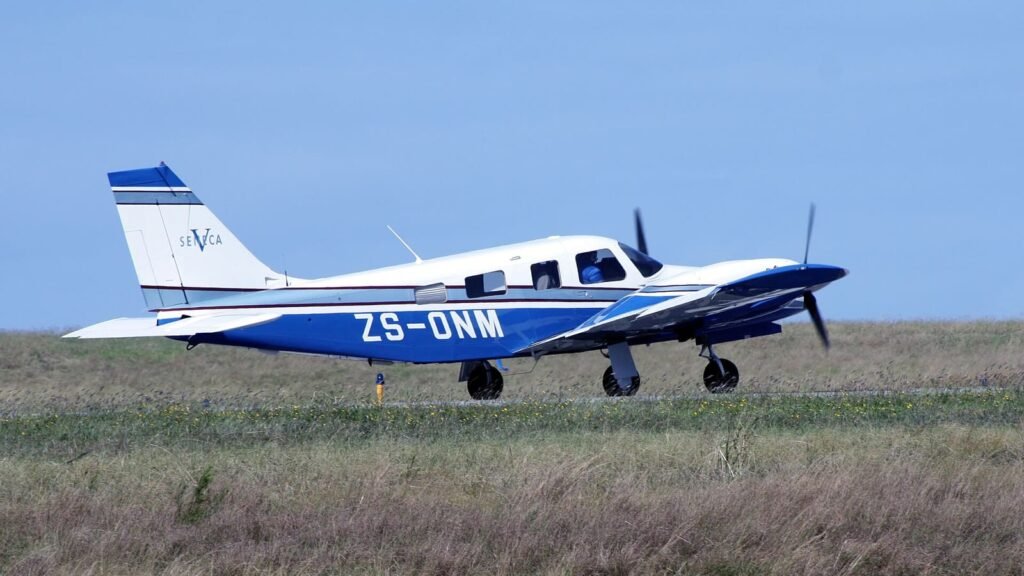
Some of the most useful aviation lessons come from flights that went wrong. In FLYING magazine’s long-running I Learned About Flying From That column, pilot Bill Miller described his first multiengine lesson: a bargain-priced training flight in a Piper Twin Comanche that turned into a real emergency. This article summarises that story and then looks at what every pilot can take from it before their own first lesson in a twin.
Key Takeaways
- A cheap instructor is not a bargain if the price comes from cutting corners on fitness, checklists or the airplane.
- Red flags before the flight, such as an instructor who is not physically fit to fly or who skips checks, are reasons to stop, not to continue.
- Engine failures should be simulated with zero thrust; real feathering is done only at a safe altitude, within reach of an airport, using the restart procedure in the handbook.
- A feathered engine may not restart, so any real shutdown must be planned as if the airplane will land on one engine.
- Every pilot on board should be ready to take over if the instructor makes a dangerous decision or becomes unable to fly.
The Story in Brief
Miller’s lesson took place in the late 1980s in northern California. He was already an experienced commercial pilot with about 1,500 hours, but he did not yet have a multi-engine rating or an instrument rating. Looking for an affordable way to start, he contacted an older instructor he had flown with years earlier, who offered training at less than half the price quoted by local flight schools.
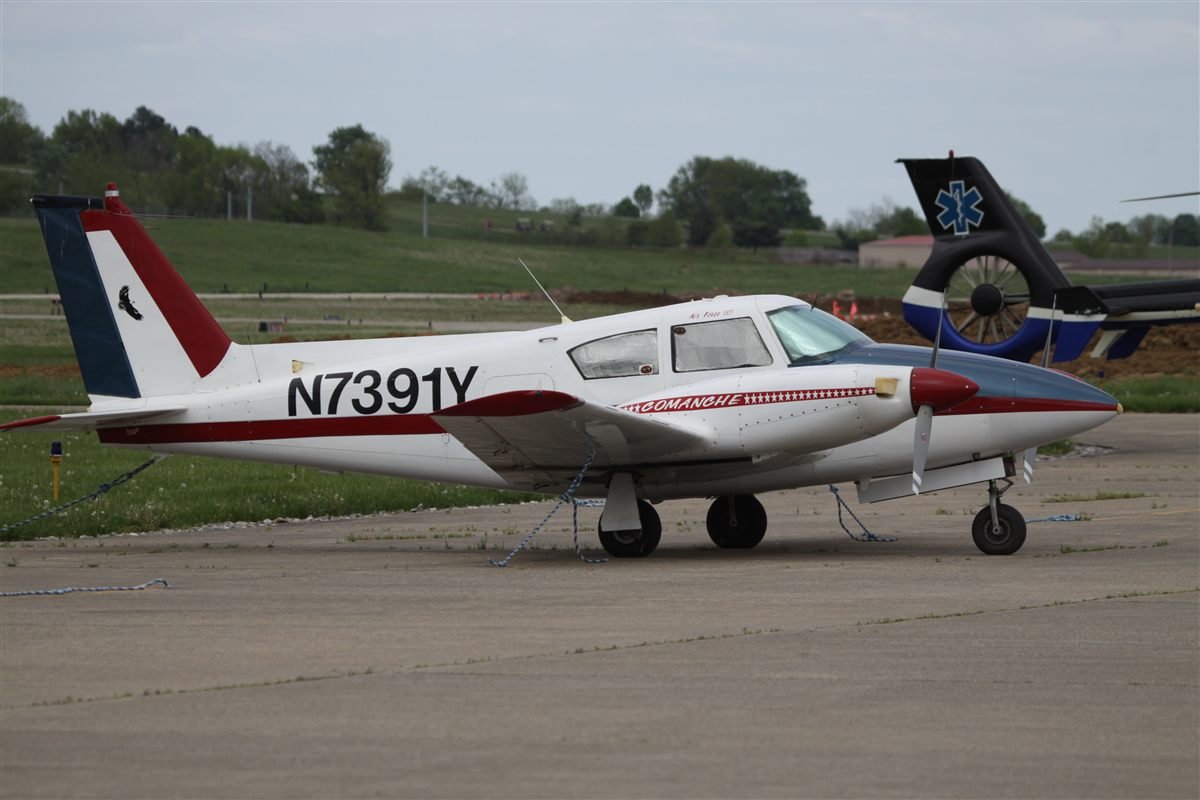
The warning signs appeared before the airplane even moved. The instructor needed help just to climb onto the wing, and during the run-up and before takeoff he skipped parts of the checklist. Miller noticed both, felt uneasy, and flew anyway: the instructor was a familiar face and the price was hard to refuse.
In the air, the instructor abruptly shut down and feathered one engine to demonstrate single-engine flight. When it was time to bring it back, the engine would not restart. A training exercise had become a genuine engine-out situation in a light twin, and Miller ended up taking command himself and making an unplanned landing. He tells the story as a lesson in judgment rather than in flying technique: about choosing an instructor, and about continuing despite warning signs.
You can read the original column on FLYING magazine’s website.
Why the Twin Comanche Is a Demanding Airplane for a First Multiengine Lesson
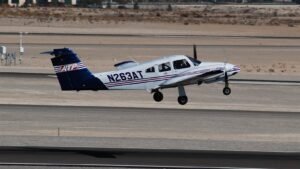
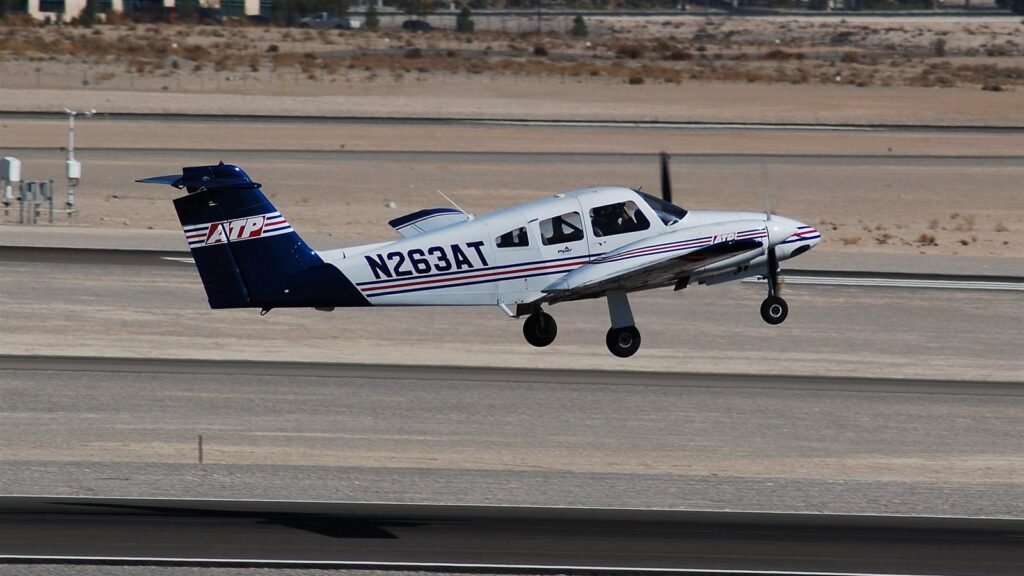
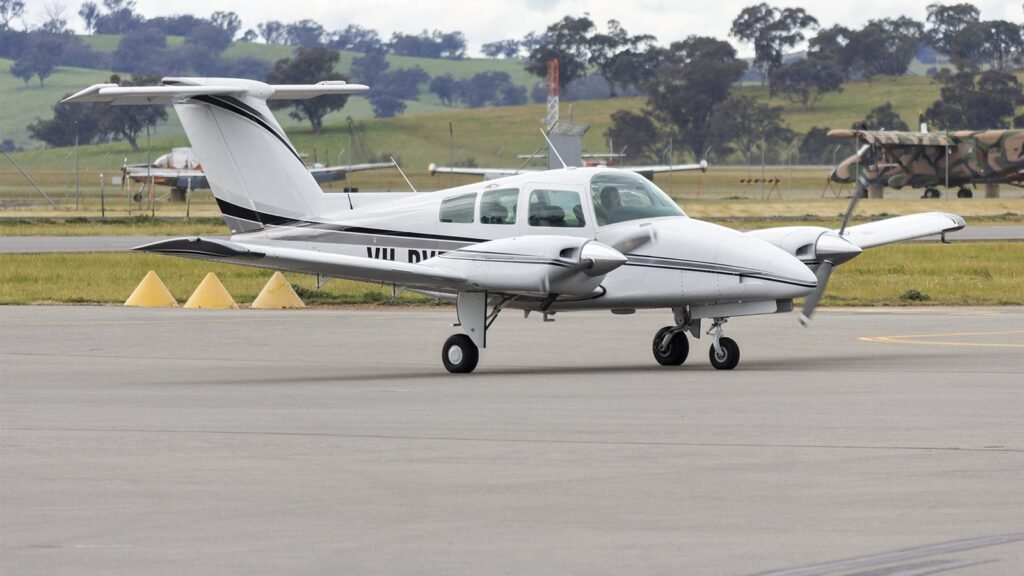
The airplane in Miller’s story matters. The Piper PA-30 Twin Comanche was designed in the early 1960s as a fast, efficient light twin, built around two four-cylinder Lycoming engines of about 160 horsepower each. It is light, slippery and economical, and many owners still love it for those reasons. Those same qualities, however, make it a demanding classroom for a pilot on a first multiengine lesson.
With relatively small engines, the Twin Comanche has little power to spare when one of them stops. Its single-engine climb is modest even in good conditions, and on a warm day with two people and fuel on board it can be very small. The airplane is also known for having its minimum control speed close to its stall speed, which leaves a narrow band in which the pilot can keep both directional control and lift after an engine failure. Later versions, the PA-39 Twin Comanche C/R, introduced counter-rotating propellers so that neither engine was critical, but the basic performance picture stayed the same.
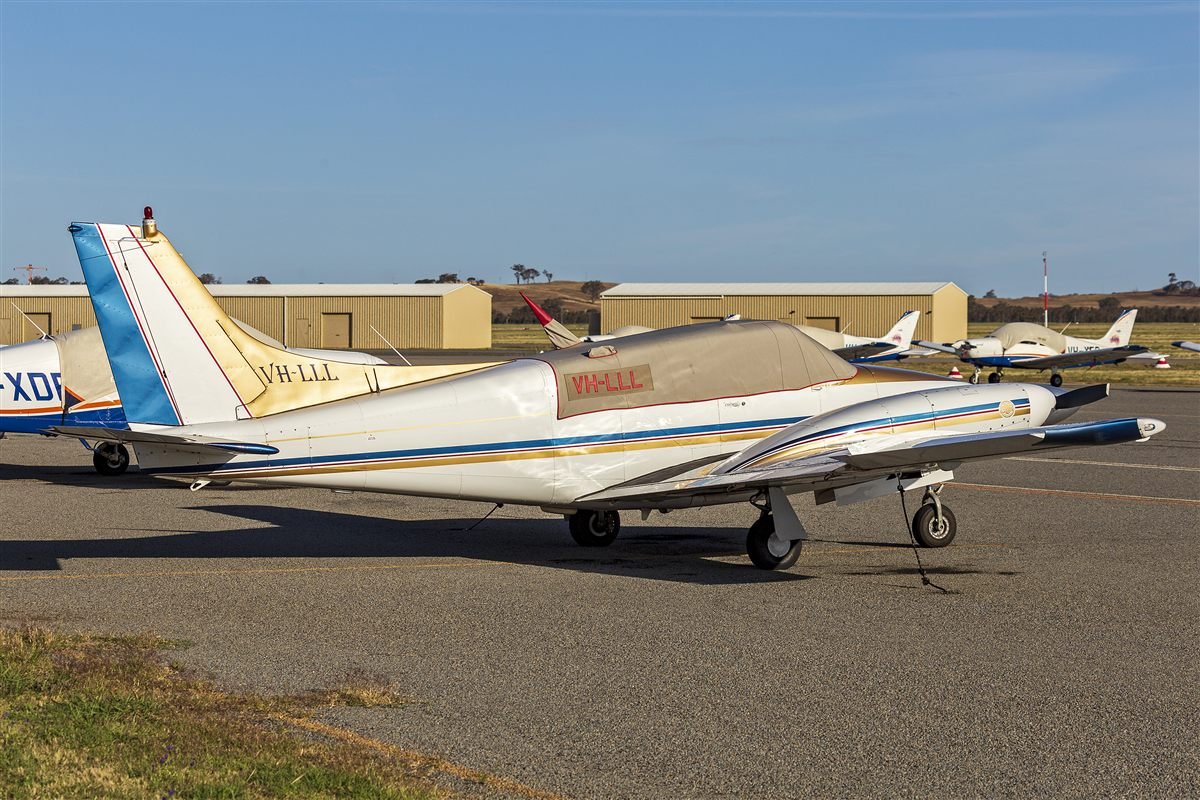
None of this makes the Twin Comanche a bad airplane. Flown by a current, careful pilot who respects its limits, it is a capable and rewarding twin. But it does mean that the margin for error during engine-out training is smaller than in many purpose-built trainers. When an instructor decides to shut down an engine for real in such an airplane, the consequences of a failed restart are more serious, and the need for altitude, planning and a nearby airport is greater. That background helps explain why Miller’s first multiengine lesson escalated so quickly.
Lesson 1: Price Is the Wrong Way to Choose an Instructor
Multi-engine training is expensive because the airplane is expensive: two engines to maintain, more fuel per hour and higher insurance. An offer far below the local market usually means something is missing, whether that is maintenance, insurance, currency or the instructor’s own fitness to fly. It is worth paying for a properly maintained airplane and an instructor who flies regularly in that type.
Lesson 2: Treat Red Flags as Decision Points
Most accident chains are visible before takeoff. The difficulty is not spotting a warning sign but acting on it, especially when the other person is more experienced, a friend or offering a favour. A simple rule helps: if something makes you uneasy, say so on the ground and agree what would change your mind. If nothing changes, cancel.
| Red flag | What good training looks like |
|---|---|
| Price far below every local school | A transparent rate that includes a maintained aircraft, fuel and an insured instructor |
| Instructor appears unfit, tired or unwell | Instructor is fit to fly and can operate every control and exit |
| Checklist items skipped or rushed | Every item read and done, with the student following along |
| No briefing on how engine failures will be simulated | A ground briefing on methods, minimum altitudes and who does what |
| Real engine shutdowns used casually “for realism” | Zero-thrust simulation, with real feathering only when planned and at a safe altitude |
| Unclear who is in command | Agreed before takeoff, including when the student should take over |
Lesson 3: Simulate With Zero Thrust, Not With a Real Shutdown
Training in a twin depends on practising engine failures, but there are safer ways to do it than stopping an engine. Instructors normally reduce one throttle to a zero-thrust setting that approximates the drag of a feathered propeller. The student practises the full sequence, maintain control, identify, verify and simulate feathering, while the engine keeps running and is available at once if anything goes wrong.
Real shutdowns and feathering are part of some training syllabi and checkrides, but they belong at a safe altitude, within gliding or single-engine reach of a suitable airport, and with the restart procedure from the pilot’s operating handbook briefed in advance. Our article Things I Will Not Do in Multi-Engine Training explains how instructors set these boundaries.
Lesson 4: A Feathered Engine May Not Restart
Feathering stops the propeller, and a stopped engine is not guaranteed to start again. Depending on the airplane, a restart may rely on the starter, on an unfeathering accumulator that stores oil pressure, on the battery and on correct fuel and mixture settings. An engine that has cooled down in flight can also be reluctant. Older training twins add their own quirks. See propeller feathering explained and common twin-engine systems for how these parts work.
The practical consequence is simple: before any deliberate shutdown, plan as if you will land on one engine. That means enough altitude, an airport within reach, a light enough airplane for the day’s single-engine performance and a crew ready to fly the approach.
Lesson 5: Know Who Is in Command, and Be Ready to Take Over
During instruction, the flight instructor is usually pilot in command, but that does not make the student a passenger. If the instructor makes a dangerous decision or becomes unable to fly, someone else in the cockpit must fly the airplane. Discussing this before the flight removes hesitation later: agree how a takeover will be announced and when the student should not wait for permission.
Lesson 6: Single-Engine Performance Decides the Outcome
An engine that will not restart turns a lesson into a performance problem. Light twins often climb only slowly on one engine, and on a warm day with a heavy load they may barely hold altitude. Knowing the airplane’s single-engine numbers before flight is what makes a calm landing possible. Read why losing one engine costs more than half the performance and our guide to the single-engine service ceiling.
Lesson 7: Experience in One Area Does Not Transfer Automatically
Miller was an experienced commercial pilot, yet the twin was new to him. Hours in other aircraft help with stick-and-rudder skills, but they do not replace type knowledge, engine-out discipline or the habit of questioning a plan that feels wrong. Arriving at a first multiengine lesson with humility is a strength, not a weakness.
What a Good First Multiengine Lesson Looks Like
It helps to picture what a well-run first multiengine lesson should feel like, because the contrast with Miller’s experience is striking. A good lesson begins on the ground, often with an hour or more of briefing before the student even sees the airplane. The instructor explains the airplane’s systems, the fuel arrangement, the propeller controls and the meaning of the key speeds, especially Vmc and the blue line. The student learns why the airplane behaves differently from a single when one engine fails, and what the first actions will be.
The briefing then turns to the flight itself. A professional instructor explains exactly what will be practised and how. Engine failures will be introduced with the throttle, not with the mixture or the fuel selector, and the airplane will be returned to zero thrust rather than shut down. The instructor states the minimum altitudes for each exercise and how a real problem will be handled if one occurs. Both pilots agree on who is in command, how control will be passed back and forth and what words will be used. By the time the engines are started, there should be no surprises left in the plan.
In the airplane, the first multiengine lesson is usually gentle. The student flies normal climbs, turns, slow flight and perhaps a few stalls with both engines running, simply to become familiar with the heavier controls, the extra levers and the higher speeds. Engine-failure practice is introduced at altitude, step by step, with the instructor demonstrating first and the student following. Many good instructors keep the first lesson deliberately simple so that the student finishes it confident rather than overwhelmed. Real shutdowns, if they are part of the syllabus at all, come later, after the student understands the procedures and the airplane.
Finally, a good lesson ends with a debrief. The instructor goes over what went well, what needs work and what the student should study before the next flight. That debrief is often as valuable as the flying itself, because it turns a set of experiences into understanding. If your own first multiengine lesson looks nothing like this, it is worth asking why.
How to Prepare Before Your First Multiengine Lesson
Much of the safety in Miller’s story would have come from preparation on his side as well as better judgment by the instructor. A pilot who arrives for a first multiengine lesson already familiar with the airplane’s handbook, the engine-failure flow and the basic aerodynamics of asymmetric thrust is far better placed to notice when something is wrong. Reading the emergency and performance sections of the pilot’s operating handbook takes only an evening, and it gives you the vocabulary to understand the briefing and ask good questions.
It also helps to study the general principles before you fly. Our articles on asymmetric thrust, Vmc and the blue line explain why engine failures in a twin require such precise flying. If you are training for a rating, our guide on how to get a multi-engine rating explains the stages, the hours and the checkride, so you know where your first lesson fits into the bigger picture.
Preparation also includes choosing the right school or instructor. Ask how long the instructor has been flying the type, how the airplane is maintained and how engine-failure training is conducted. Ask what minimum altitudes are used for exercises and whether real shutdowns are part of the syllabus. A good instructor will welcome those questions and answer them clearly. An instructor who is vague, defensive or dismissive is giving you useful information too.
The Instructor’s Side of the Story
It is easy to read Miller’s account and judge the instructor harshly, but the story is also a reminder of how experienced pilots can drift into unsafe habits. An instructor who has demonstrated engine shutdowns hundreds of times without a problem may come to see them as routine. Physical limitations can creep up gradually, and a pilot who has always been confident in the cockpit may not notice when that confidence is no longer matched by ability. Skipping a checklist item once and getting away with it makes it easier to skip it again.
For instructors, the lesson is that professional standards exist precisely because experience alone does not prevent mistakes. Following the checklist, briefing every exercise, using zero thrust for most engine-failure practice and honestly assessing one’s own fitness to fly are what keep training flights safe. For students, the lesson is that respect for an instructor’s experience should never stop you from asking questions or speaking up. A first multiengine lesson is a partnership, and both pilots share responsibility for the outcome.
Checklist Before Your First Multiengine Lesson
- Choose a school or instructor with a maintained aircraft, insurance and recent experience in the type.
- Read the pilot’s operating handbook sections on engine failure, feathering and restart.
- Ask how engine failures will be simulated and at what minimum altitudes.
- Agree on who is in command and how a takeover would work.
- Follow every checklist item with the instructor, and speak up if something is skipped.
- Check the day’s weight, density altitude and single-engine performance.
- If anything feels wrong on the ground, postpone; the airplane will still be there tomorrow.
Frequently Asked Questions
Do instructors actually shut down engines during multi-engine training?
Most engine-failure practice uses zero thrust. Actual shutdown and feathering may be included at a safe altitude and close to a suitable airport, following the aircraft’s procedures, but it is not done casually or near the ground.
Why might a feathered engine not restart?
A restart can depend on the starter, battery, unfeathering system, correct fuel and mixture settings and engine temperature. If any of these fail, the engine may stay stopped, which is why every real shutdown must be planned as a possible single-engine landing.
How should I choose a multi-engine instructor?
Look for an instructor who is current and fit to fly, flies a well-maintained and insured airplane, briefs engine-failure training clearly and follows checklists. Price matters, but it should never be the deciding factor.
What should I expect on my first multiengine lesson?
Expect a thorough ground briefing on the airplane, its systems and the engine-failure procedures, followed by a fairly gentle flight with normal manoeuvres and carefully introduced engine-failure practice at a safe altitude, and a debrief afterwards.
Conclusion
Bill Miller’s first multiengine lesson is a vivid reminder that the most important decisions in training are often made before the engines are started. A bargain price, an instructor who was not fit to fly, skipped checklist items and an unnecessary real shutdown combined to turn a routine lesson into an emergency. Each of those links could have been broken on the ground. For every pilot preparing to fly a twin for the first time, the message is clear: choose your instructor carefully, prepare yourself, insist on a proper briefing and treat any warning sign as a reason to stop and think.
If you are planning your own training, continue with How to Get a Multi-Engine Rating: Step-by-Step Guide to see how a well-structured course takes you from your first multiengine lesson to the checkride.
Header photo: NASA, public domain, via Wikimedia Commons (cropped).