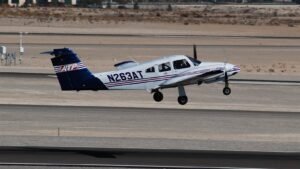
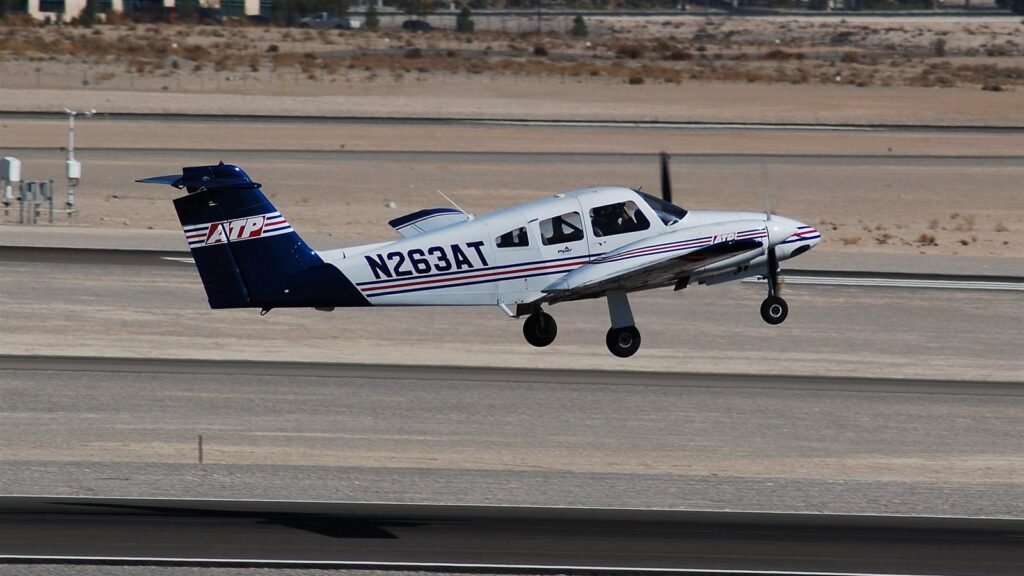
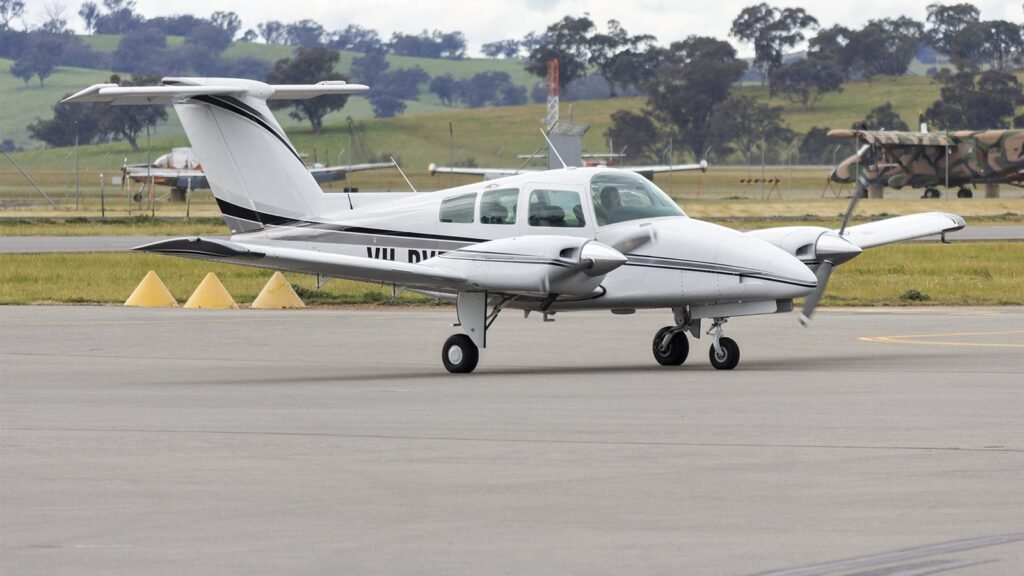
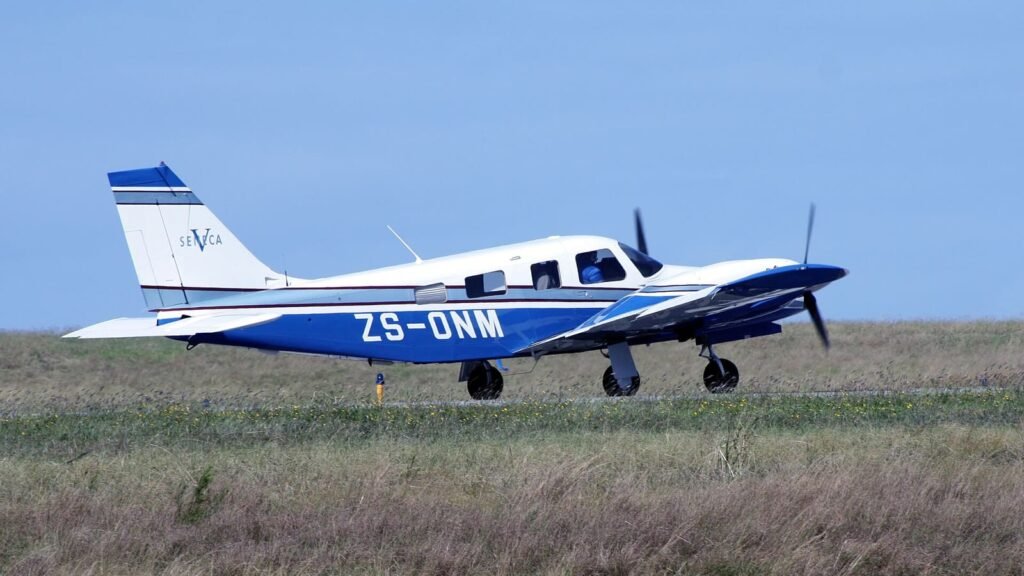
Few decisions shape your flying more than the choice between one engine and two. This guide sets out the pros and cons of single and twin engines the way an owner or a pilot in training actually meets them: in the budget, in the training syllabus, and on the day something goes wrong.
Why the Pros and Cons of Single and Twin Engines Matter
A second engine changes almost everything about an airplane: purchase price, fuel bill, insurance, maintenance schedule, the rating you need and the way an emergency unfolds. It is tempting to reduce the question to “two engines are safer”, but experienced instructors will tell you the answer depends far more on the pilot and the mission than on the engine count.
Single vs Twin at a Glance
| Factor | Single-engine | Twin-engine |
|---|---|---|
| Purchase price | Lower; wide choice of used aircraft | Noticeably higher for a comparable age and equipment level |
| Operating cost | One engine to fuel, overhaul and inspect | Roughly double the fuel, engine reserves and much of the maintenance |
| Insurance | Easier to obtain for low-time pilots | Usually requires multi-engine time and recurrent training |
| Rating required | Single-engine class rating | Multi-engine class rating plus aircraft-specific checkout |
| Engine failure | Forced landing; glide and field selection are everything | Possible to continue, but only with precise control and good performance margins |
| Typical strengths | Simplicity, economy, short local trips, training | Payload, speed, systems redundancy, night/IFR/over-water trips |
The Case for Two Engines
Redundancy beyond the engine
The obvious benefit is a second powerplant. Less obvious is that twins usually duplicate other systems as well: two alternators, two vacuum pumps or dual electrical buses, sometimes two fuel systems with crossfeed. A single failure is less likely to leave the pilot without attitude information or electrical power. See common systems on twin-engine aircraft for how this redundancy is built.
Performance and payload
More total power generally means a higher cruise speed, a better climb with all engines operating and more useful load. For trips with several passengers and baggage, or for routes with high terrain, that margin matters.
Options when an engine quits
A single-engine pilot who loses the engine is committed to a landing within gliding distance. A twin pilot may have the choice to continue to a suitable airport, which is a real advantage at night, in instrument conditions or over water.
The Case Against (or at Least the Fine Print)
“The other engine will get you home” is not guaranteed
Losing one of two engines removes about half the power but often far more than half of the climb performance, because most of the remaining power is needed just to stay level. Many light twins climb only a few hundred feet per minute on one engine at sea level, and on a hot day at a high-elevation airport some cannot climb at all. Older light twins below 6,000 lb were not even required to demonstrate a single-engine climb for certification. Our article on engine failure performance explains why.
Asymmetric thrust and VMC
When one engine fails, the working engine yaws the airplane toward the dead one. Below the minimum control speed (VMC) the rudder can no longer hold it straight, and a loss of control close to the ground is rarely survivable. This is why twin training focuses so heavily on immediate, correct reactions; see VMC in a twin.
Cost and currency
Two engines mean two sets of everything to maintain and overhaul. Owners also have to budget for recurrent training, because engine-out skills fade quickly without practice. Prices are covered in more detail in how much a twin engine plane costs.
False confidence
Some pilots accept weather, terrain or night conditions in a twin that they would refuse in a single, assuming the second engine is a safety net. If their proficiency or the airplane’s single-engine performance does not support that assumption, the extra engine adds risk instead of removing it. Accident reviews such as why twins crash show this pattern repeatedly.
Where a Single Engine Makes More Sense
- Local and regional flying in good weather, with plenty of landing options along the route.
- Pilots building experience, for whom simplicity frees attention for navigation, weather and communication.
- Owners who want the lowest cost per hour and the easiest maintenance.
- Modern high-performance singles, some with parachute systems, that offer speed without twin complexity.
Where a Twin Earns Its Keep
- Frequent IFR, night or over-water flights, where a forced landing would be difficult.
- Missions that need more payload, cabin space or speed than singles in the same budget can offer.
- Pilots heading for a professional career, where multi-engine time and a multi-engine rating are required anyway.
- Owners willing to fly often enough, and train regularly enough, to stay sharp on engine-out procedures.
A Practical Checklist Before You Decide
- Describe your typical flight. Distance, terrain, weather, time of day and number of passengers.
- Check single-engine performance of any twin you consider, for your usual airports and temperatures, not just the brochure figure at sea level.
- Get insurance quotes early. Requirements for multi-engine time can change the total cost dramatically.
- Budget for the whole year: fuel, maintenance, engine reserves, hangar and recurrent training.
- Be honest about currency. If you will fly only a few hours a month, a well-equipped single flown proficiently may be the safer choice.
Key Takeaways
- Twins add redundancy, payload and options, but demand more money, training and discipline.
- A second engine helps only if the airplane has usable single-engine performance and the pilot reacts correctly.
- Singles are simpler and cheaper, and for many private missions they are the more sensible tool.
- The best choice follows from your mission and your proficiency, not from the engine count alone.
Further Reading
For an owner’s view of moving up to a Piper twin, read Twin Engine Piper: honest pros and cons, and for the safety debate in more depth see are twin engine planes safer?

What is the main advantage of choosing a twin engine aircraft over a single engine?
The main advantage is redundancy and power. With two engines, the aircraft can continue flying safely even if one fails, offering greater safety margins, especially on long flights, at night, or over water and remote areas.
Why are single engine planes often preferred by beginner pilots?
Single engine aircraft are simpler to operate, less expensive to buy and maintain, and consume less fuel. This makes them an affordable and practical choice for private owners and students starting their aviation journey.
What should pilots consider when deciding between single and twin engines?
Pilots need to balance mission requirements, budget, and safety. If most flights are short and recreational, a single engine is usually enough. However, for longer distances, demanding weather, or routes with fewer emergency landing options, a twin engine may provide the extra safety and performance needed.