For pilots who dream of flying modern airliners, the EASA ATPL twin engine pilot pathway represents the highest level of professional pilot training in Europe. Whether the goal is commanding a Boeing 737, Airbus A320, Boeing 787, Airbus A350, or even the world’s largest twin engine aircraft such as the Boeing 777X, the journey ultimately leads through the Airline Transport Pilot Licence, commonly known as the ATPL.
The ATPL is considered the gold standard of pilot qualifications. It represents the highest level of aircraft pilot licensing available under European aviation regulations and is required for pilots who wish to act as captain on large commercial aircraft. While many people focus on the final airline job, the reality is that becoming an airline pilot is a gradual process involving years of education, flight experience, multi-engine training, and professional development.
In today’s aviation industry, where virtually every major airline operates advanced twin engine aircraft, the connection between ATPL training and multi-engine flying has become stronger than ever.
What Is an EASA ATPL?
The EASA ATPL (Airline Transport Pilot Licence) is the highest pilot licence issued under the regulations of the European Union Aviation Safety Agency (EASA).
The licence allows pilots to command commercial aircraft that exceed specific passenger and weight limitations and serves as the final qualification required for airline captains operating large transport-category aircraft.
Modern airline operations rely heavily on advanced twin engine aircraft. As a result, much of the training, theory, and operational knowledge required during ATPL preparation directly supports future multi-engine airline operations.
Aircraft commonly flown by ATPL holders include:
- Airbus A320 family
- Airbus A330
- Airbus A350
- Boeing 737 family
- Boeing 777
- Boeing 787 Dreamliner
- ATR 72
- Embraer E-Jets
The ATPL is therefore not simply a licence. It is the gateway to operating some of the most sophisticated twin engine aircraft ever built.
Why Twin Engine Aircraft Dominate Modern Airlines
When discussing the EASA ATPL twin engine pilot pathway, it is impossible to ignore the role of twin engine aircraft in modern aviation.
Several decades ago, long-haul routes were dominated by aircraft such as:
- Boeing 747
- Airbus A340
- McDonnell Douglas DC-10
- Lockheed L-1011
Today, most of those aircraft have largely disappeared from airline fleets.
The reason is simple:
Modern engines have become incredibly reliable.
Thanks to ETOPS certification, airlines can safely operate twin engine aircraft on routes that once required three or four engines. This allows operators to reduce fuel consumption, maintenance costs, and overall operating expenses while maintaining exceptional safety levels.
For aspiring airline pilots, this means that understanding multi-engine operations is no longer optional. It is central to modern airline flying.
The Journey from Private Pilot to Airline Captain
Many new pilots are surprised to learn that becoming an airline captain does not begin with an ATPL.
The journey toward becoming an EASA ATPL twin engine pilot is typically a gradual progression that builds knowledge, flight experience, and professional decision-making skills over many years. Each stage introduces new responsibilities and prepares pilots for increasingly complex aircraft and operational environments.
The progression typically looks like this:
Private Pilot Licence (PPL)
This is where most pilots first learn aircraft handling, navigation, communication procedures, and the fundamental principles of flight. The PPL provides the foundation upon which all future aviation training is built.
Commercial Pilot Licence (CPL)
The CPL allows pilots to begin earning income as professional aviators. At this stage, pilots are expected to demonstrate a higher level of precision, situational awareness, and operational discipline than recreational pilots.
Multi-Engine Training
A crucial milestone for future airline pilots.
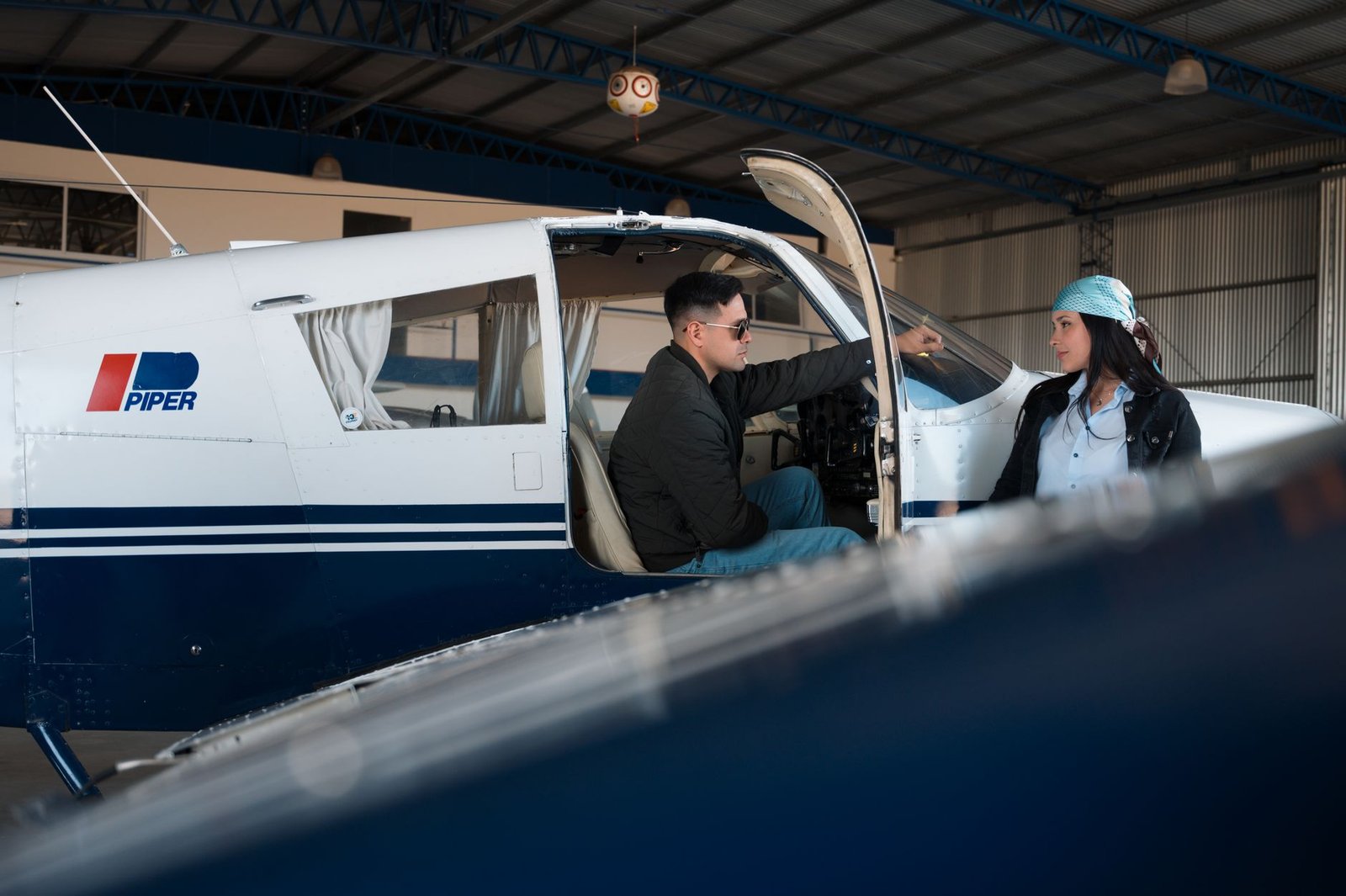
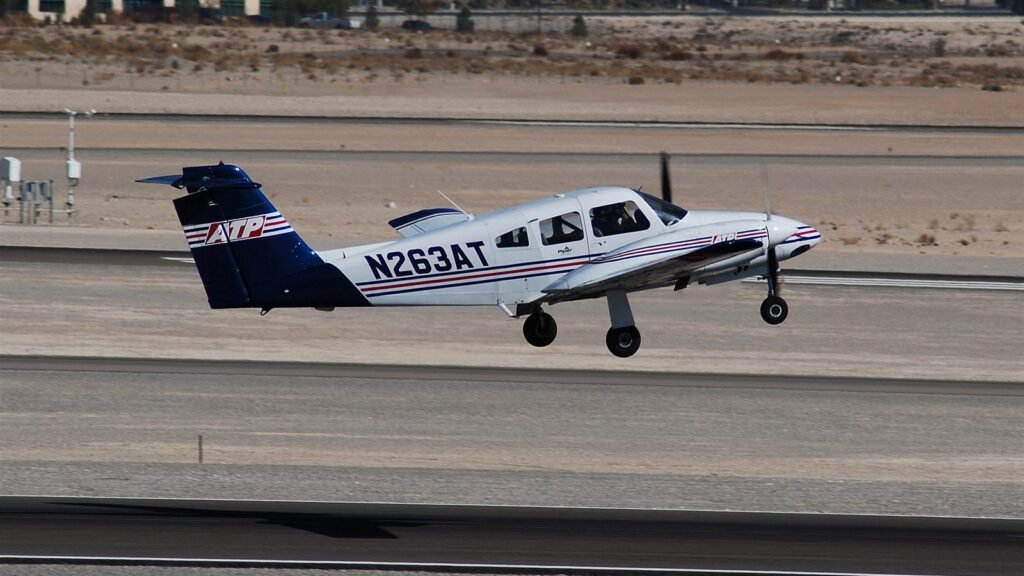
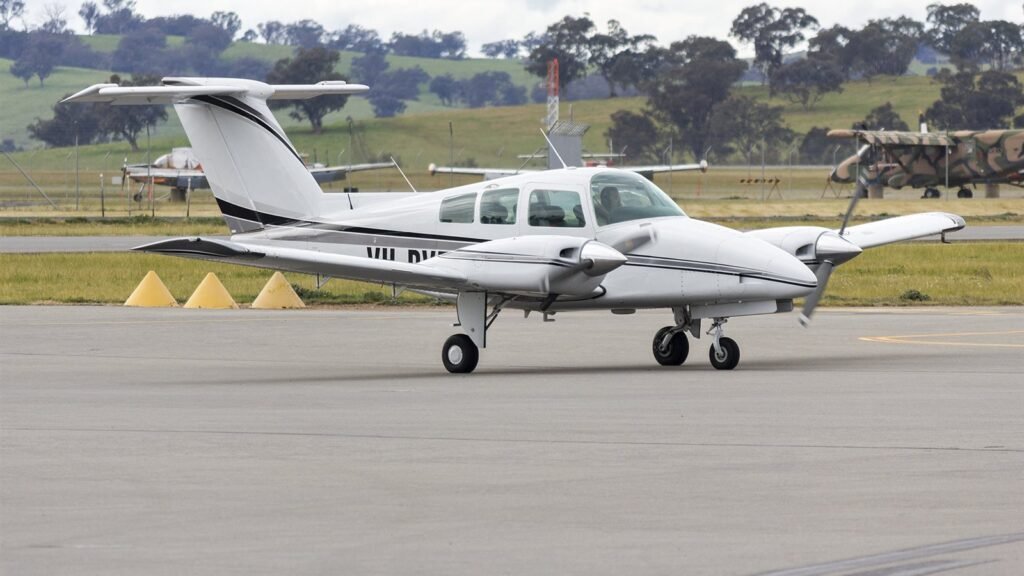
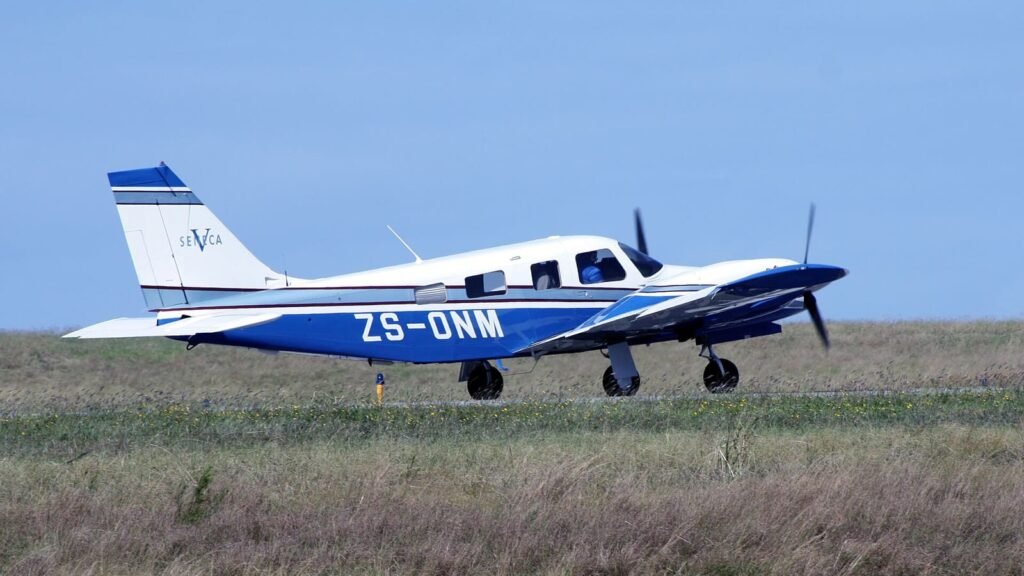
Modern airlines expect candidates to possess strong multi-engine experience because airline aircraft are almost exclusively twin engine platforms. During multi engine pilot training, pilots learn how to manage asymmetric thrust, engine-out procedures, advanced aircraft systems, and complex performance calculations. Many aviators consider this stage one of the most important transitions in their professional development because it introduces the operational concepts used throughout airline flying.
Instrument Rating (IR)
Pilots learn to operate safely in cloud, low visibility, and instrument meteorological conditions. Since commercial airline operations occur in all types of weather, instrument flying becomes one of the most essential skills a professional pilot can possess.
Multi-Crew Cooperation (MCC)
This training introduces airline-style crew coordination, Crew Resource Management (CRM), workload sharing, and cockpit communication. Modern airline operations rely heavily on teamwork, making MCC an essential component of the EASA ATPL requirements pathway.
ATPL Theory Completion
The famous ATPL theoretical knowledge examinations must be completed before progressing toward airline employment. These exams cover everything from meteorology and navigation to aircraft systems, performance, and operational procedures. The knowledge gained during this phase becomes especially valuable later when operating ATPL multi engine aircraft in complex commercial environments.
Each stage builds upon the previous one, gradually transforming a student pilot into a professional capable of operating complex transport-category aircraft. By the time a pilot reaches airline employment, they have accumulated experience in multi-engine operations, instrument procedures, crew coordination, risk management, and operational decision-making. Together, these skills form the foundation required to become a successful twin engine airline pilot in today’s highly regulated and safety-focused aviation industry.
Why Multi-Engine Training Is So Important
One of the most significant milestones on the path toward becoming an EASA ATPL twin engine pilot is multi-engine training.
Operating a twin engine aircraft requires an entirely different mindset compared with single-engine flying.
Pilots must understand:
- asymmetric thrust
- engine-out procedures
- VMC limitations
- advanced fuel systems
- propeller management
- performance calculations
- emergency decision-making
When one engine fails, the aircraft does not simply lose half of its power. It experiences aerodynamic forces that can dramatically affect controllability if not managed correctly.
This is why multi-engine training is often described as the point where pilots begin thinking like professional aviators rather than simply aircraft operators.
Many instructors summarize the difference with a simple phrase:
“Single-engine flying teaches you how to fly. Twin engine flying teaches you how to manage.”
For future airline pilots, those management skills become essential.
Understanding the EASA ATPL Theory Exams
One of the most demanding parts of the ATPL pathway is the theoretical knowledge phase.
The EASA ATPL requirements include a series of examinations covering a wide range of aviation subjects that form the foundation of professional airline operations.
Topics include:
- Air Law
- Aircraft General Knowledge
- Flight Planning
- Human Performance
- Meteorology
- Navigation
- Principles of Flight
- Operational Procedures
- Communications
- Performance
These subjects provide the scientific and operational foundation required for airline flying.
Although many students initially view the exams as academic hurdles, airline pilots often discover later that much of this knowledge becomes directly relevant during real-world operations. Concepts that seem theoretical in the classroom frequently become everyday decision-making tools in the cockpit.
For pilots operating ATPL multi engine aircraft, a deep understanding of performance calculations, weather systems, fuel planning, aircraft limitations, and operational procedures is essential. Modern twin engine airliners operate in highly dynamic environments where small planning errors can have significant operational consequences.
Understanding weather systems, aircraft performance, fuel planning, and human factors becomes increasingly important as aircraft size and operational complexity increase. Long-haul flights, ETOPS operations, international regulations, and advanced aircraft systems all require pilots to apply ATPL knowledge on a daily basis.
This is one reason airlines place such a strong emphasis on theoretical training. The ATPL syllabus is not designed simply to help pilots pass exams—it is designed to prepare future airline crews to make safe, informed decisions while operating complex twin engine aircraft throughout their careers.
The Importance of Multi-Crew Operations
Another critical component of the airline environment is Multi-Crew Cooperation (MCC).
Modern twin engine airliners are designed around teamwork.
Unlike small general aviation aircraft, airline cockpits operate using structured crew procedures that emphasize communication, task sharing, and decision-making. Every twin engine airline pilot must learn how to operate effectively within a crew environment, where safety depends not only on technical skill but also on coordination and communication between pilots.
Pilots learn:
- Crew Resource Management (CRM)
- workload distribution
- threat and error management
- standard operating procedures
- emergency coordination
These skills are just as important as technical flying ability.
A significant part of multi engine pilot training focuses on developing these non-technical skills because modern airline operations require pilots to work as a coordinated team rather than as individual aircraft operators.
Many accident investigations have shown that effective crew coordination can prevent minor problems from becoming major emergencies. Strong communication, proper workload management, and adherence to standard procedures often make the difference between a routine abnormal event and a serious incident. In today’s airline industry, successful crews are built on teamwork just as much as flying ability.
Why Airlines Value ATPL Graduates
Modern airlines do not hire pilots simply because they know how to take off, navigate, and land an aircraft. Flying the airplane is only one part of the job. What airlines are truly looking for are professionals who can manage complex operations, make sound decisions under pressure, work effectively as part of a crew, and maintain safety standards in constantly changing environments.
The EASA ATPL twin engine pilot pathway is specifically designed to develop these capabilities. Throughout the training process, pilots are exposed to increasingly complex scenarios that require them to think critically, prioritize tasks, and apply standardized procedures while maintaining situational awareness. This is especially important in modern airline operations, where aircraft systems, weather conditions, airspace requirements, and operational pressures can all change rapidly during a single flight.
By the time a pilot reaches airline employment, they have typically accumulated extensive experience in multi-engine aircraft, instrument flying, performance calculations, flight planning, abnormal procedures, and emergency management. They have also spent hundreds of hours learning how to interpret regulations, manage operational risks, and work within highly structured safety systems. These experiences help create the professional mindset required in commercial aviation.
Another reason airlines value ATPL-qualified pilots is their familiarity with twin engine airline operations. Modern commercial aviation relies heavily on advanced twin engine aircraft such as the Airbus A320, Airbus A350, Boeing 737, Boeing 787, and Boeing 777 families. Operating these aircraft requires a strong understanding of multi-engine aerodynamics, ETOPS procedures, fuel management, aircraft performance, and crew coordination. The foundation for all of these skills is built during ATPL training and expanded throughout a pilot’s professional career.
Airlines also place enormous emphasis on Crew Resource Management (CRM). Aviation history has repeatedly shown that many incidents are not caused by aircraft failures alone but by breakdowns in communication, decision-making, or workload management. ATPL training teaches pilots how to function effectively within a crew environment, share responsibilities, communicate clearly, challenge unsafe decisions when necessary, and work together to solve problems. These skills become just as important as technical flying ability once pilots enter airline operations.
Perhaps most importantly, ATPL graduates understand that aviation is fundamentally a risk-management profession. Every flight involves hundreds of decisions related to weather, fuel, aircraft performance, route planning, maintenance considerations, and operational limitations. Airlines value pilots who can evaluate these factors systematically and make decisions that prioritize safety above all else.
This combination of technical knowledge, operational discipline, multi-engine experience, and professional judgment forms the foundation of modern airline safety. It is the reason airlines around the world continue to view ATPL-qualified pilots as the benchmark for professional aviation excellence.
The Future of Twin Engine Airline Flying
Looking ahead, the future of commercial aviation is increasingly centered around advanced twin engine aircraft. Over the last two decades, airlines have gradually shifted away from large three-engine and four-engine fleets in favor of highly efficient twin engine designs capable of performing the same missions with significantly lower operating costs. What was once considered impossible—crossing oceans and flying ultra-long-haul routes with only two engines—has now become standard practice throughout the industry.
Aircraft such as the Airbus A350, Boeing 787 Dreamliner, Boeing 777X, and Airbus A321XLR represent a new generation of aviation technology. These aircraft combine advanced aerodynamics, lightweight composite materials, sophisticated flight management systems, and extremely reliable engines to achieve levels of performance that previous generations of aircraft could not match. Modern twin engine airline aircraft are capable of flying thousands of miles over oceans, polar regions, and remote areas while maintaining exceptional safety records and operational efficiency.
One of the biggest reasons for this transformation is the development of ETOPS regulations and improvements in engine reliability. Modern turbofan engines have become so dependable that airlines can confidently operate routes that once required four engines. As a result, aircraft such as the Boeing 747 and Airbus A340 have largely disappeared from passenger service, while highly efficient twin engine platforms continue to expand their role in global aviation. This shift has reduced fuel consumption, maintenance costs, and environmental impact while allowing airlines to offer more direct routes between cities around the world.
The future will likely bring even greater advancements. Aircraft manufacturers continue investing heavily in fuel efficiency, sustainable aviation technologies, advanced automation, and next-generation propulsion systems. While cockpit technology becomes increasingly sophisticated, pilots will still need a strong understanding of twin engine operations, aircraft performance, asymmetric thrust management, and emergency procedures. Automation can assist crews, but it cannot replace sound aeronautical decision-making and professional judgment.
For future airline pilots pursuing the EASA ATPL twin engine pilot pathway, understanding multi-engine aircraft will remain one of the most valuable and marketable skills in aviation. As long-haul travel continues to rely on aircraft such as the Boeing 777X and Airbus A350, and as new twin engine designs enter service in the coming decades, multi-engine knowledge will remain at the core of professional airline operations. In many ways, the future of aviation is already here—and it flies on two engines.
Conclusion
The EASA ATPL twin engine pilot pathway represents far more than a collection of exams, flight hours, and licence requirements. It is a structured progression that prepares pilots to operate some of the most advanced twin engine aircraft in the world safely and professionally.
From private pilot training and multi-engine instruction to instrument flying, crew resource management, and airline operations, every stage develops the technical knowledge and decision-making skills required in modern commercial aviation. As airlines continue to rely heavily on highly efficient twin engine aircraft such as the Airbus A320, Airbus A350, Boeing 737, Boeing 787, and Boeing 777 families, the importance of strong multi-engine knowledge continues to grow.
For aspiring airline pilots, the ATPL is not simply the final licence—it is the foundation for a long-term professional career built on safety, discipline, and continuous learning. Understanding aircraft systems, performance calculations, emergency procedures, and multi-crew operations allows pilots to manage increasingly complex aircraft and operational environments throughout their careers.
Most importantly, the ATPL journey teaches pilots how to think, analyze, and make sound decisions under pressure—skills that become invaluable in every area of aviation, especially when operating large twin engine aircraft carrying hundreds of passengers across continents and oceans.
To better understand why modern commercial aviation relies so heavily on twin engine aircraft and how engine redundancy transformed airline safety and efficiency, continue reading:
https://melibrary.pro/article/why-airliners-have-more-than-one-engine/