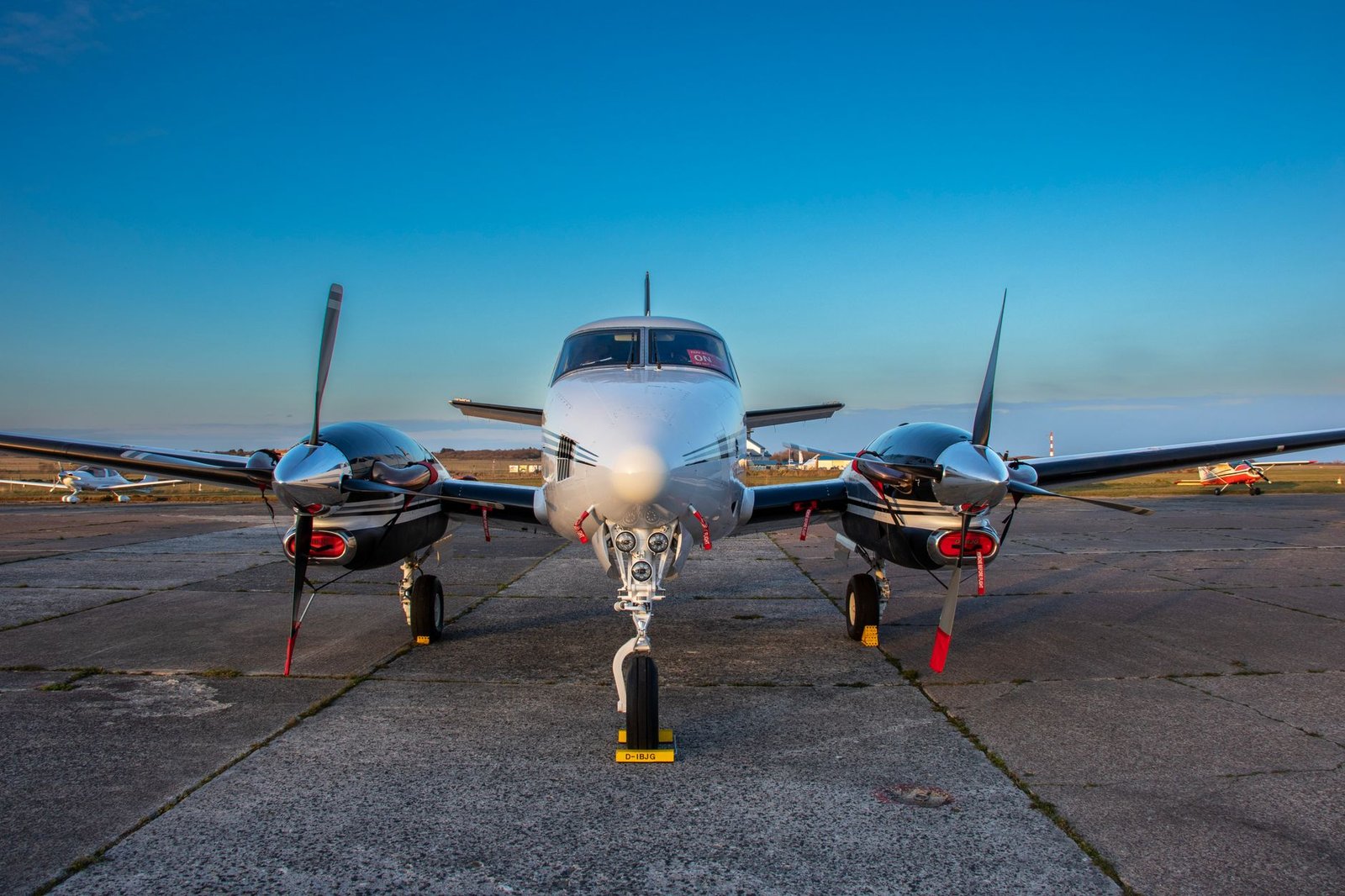
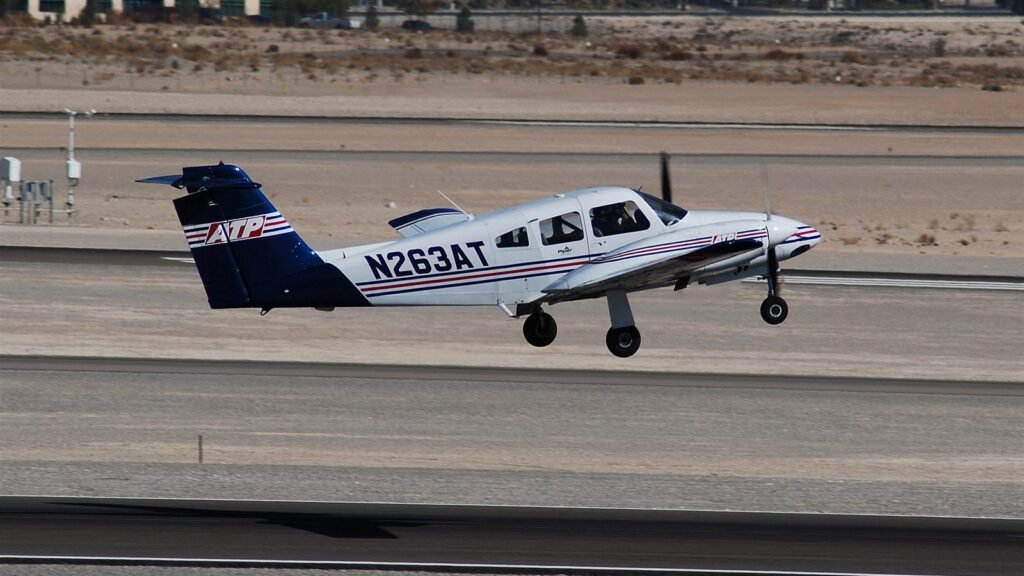
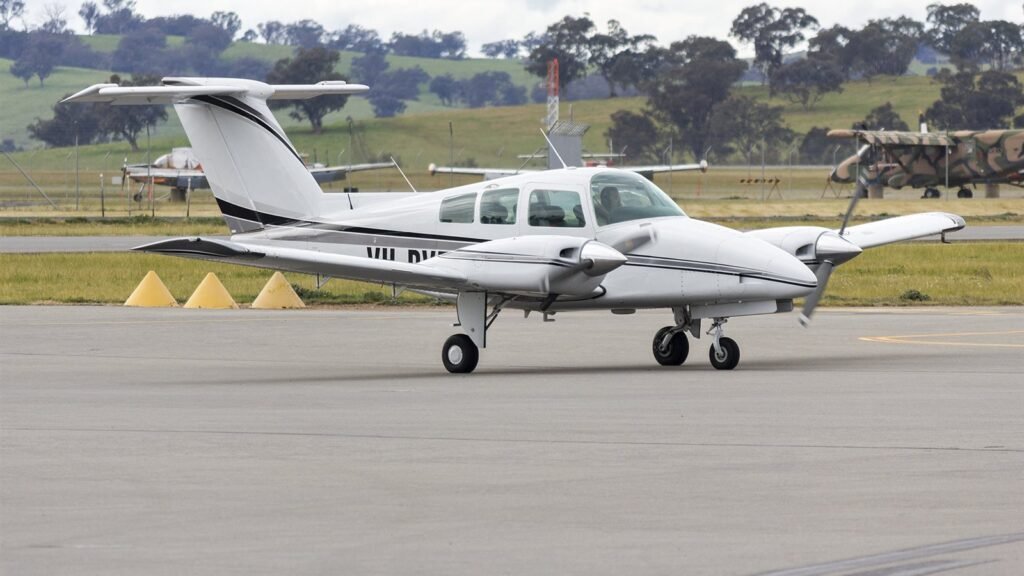
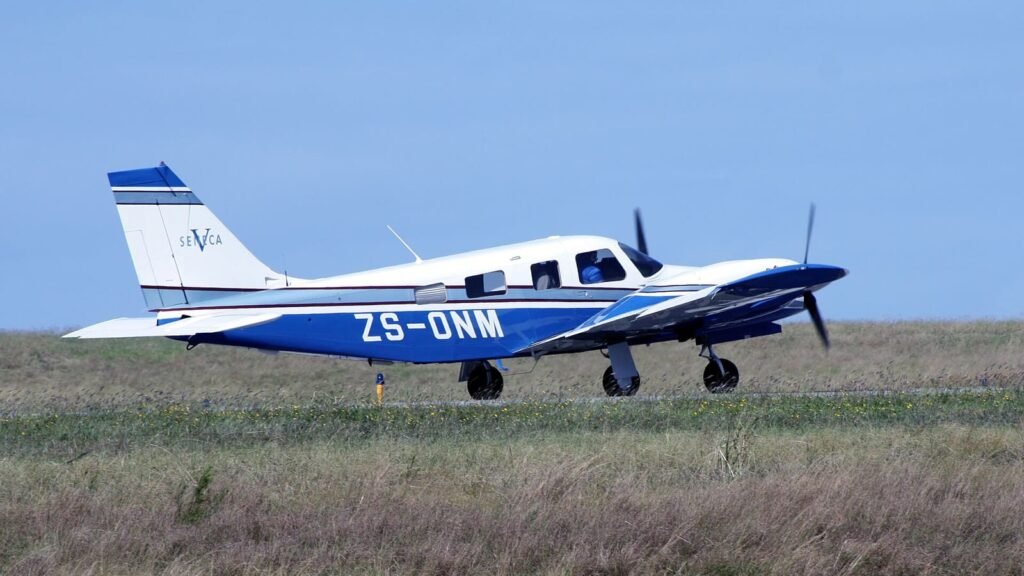
A critical engine failure twin engine scenario sounds dramatic — and yes, it is serious. But here’s the truth that often surprises people: in modern aviation, this situation is not chaos, it’s procedure. Aircraft are not only designed to handle failures, but pilots are trained to expect them. This mindset changes everything. Instead of reacting emotionally, pilots follow structured logic that has been tested across decades of real-world operations.
Pilots are trained from the very beginning to handle engine failures calmly and methodically. The key is not panic or instinct, but discipline. Every action follows a clear priority system that has saved countless flights: aviate, navigate, communicate. This principle is not just theory — it is the foundation of every twin engine failure procedure, ensuring that control of the aircraft always comes first, no matter how complex the situation becomes.
In a twin engine aircraft, losing one engine changes everything — but it does not mean losing control. In fact, the aircraft is specifically designed to continue flying safely, giving pilots time to think, act, and land. Even in an engine failure twin engine aircraft scenario, the remaining engine provides enough thrust to maintain controlled flight, while aerodynamic stability allows the aircraft to remain predictable and manageable.
A key challenge that pilots must immediately deal with is asymmetric thrust. When one engine stops producing power, the aircraft begins to yaw toward the failed side. This is where training becomes critical. Pilots apply precise rudder input and maintain the correct airspeed to stabilize the aircraft. This is not about aggressive correction, but about smooth control — a core part of how pilots handle engine failure in real operations.
There is also a psychological element that is often underestimated. For passengers, an engine failure sounds catastrophic. For pilots, it is a trained scenario. Many instructors even simulate engine failures repeatedly during training flights, sometimes at the most unexpected moments, to build instinctive reactions. It’s not uncommon for student pilots to remember their first simulated failure more vividly than their first solo flight — because it forces them to trust both the aircraft and their training.
Real-world aviation history confirms this approach. There have been numerous cases where aircraft safely continued flight and landed after losing an engine, precisely because crews followed established procedures without hesitation. The system works not because failures are impossible, but because both pilots and aircraft are prepared for them.
Ultimately, a critical engine failure twin engine situation is not about reacting to danger — it is about managing it. With proper training, structured procedures, and a well-designed aircraft, what seems like a crisis from the outside becomes a controlled, manageable event inside the cockpit.
Stay Calm and Fly the Aircraft First
The first and most important step in any critical engine failure twin engine situation is simple: fly the aircraft.
That might sound obvious, but in reality, this is where most of the workload begins. When one engine fails, the aircraft immediately experiences asymmetric thrust. This creates a yawing force toward the failed engine, and if not corrected quickly, it can lead to loss of control.
Pilots must react almost instantly by applying rudder and maintaining directional control. At the same time, they establish the correct airspeed — usually the best single-engine climb or glide speed (often referred to as VYSE).
A small but important detail: pilots don’t “fight” the aircraft aggressively. Instead, they apply smooth, controlled inputs. Overcorrecting can be just as dangerous as doing nothing.
Identify and Assess the Failure
Once the aircraft is stabilized, the next step in a critical engine failure twin engine event is identifying exactly what happened.
This is not guesswork — it’s a structured process. Pilots follow the classic logic: identify, verify, feather.
First, they determine which engine has failed. This might sound simple, but under stress, it requires discipline. Pilots use both instruments and physical cues, often remembering the phrase: “dead foot, dead engine.”
Then they verify the failure by checking engine instruments. If the issue is confirmed, they secure the engine to prevent further damage. This includes shutting off fuel flow and feathering the propeller to reduce drag.
Interestingly, not all failures are catastrophic. Sometimes the issue can be something as simple as fuel mismanagement or temporary system irregularities. In those rare cases, partial recovery may be possible — but pilots never assume that without confirmation.
Communicate Early and Clearly
In any critical engine failure twin engine situation, communication is not optional — it is essential.
Pilots declare an emergency using transponder code 7700 and contact Air Traffic Control as soon as the aircraft is under control. The key here is timing: control comes first, communication comes second.
When speaking to ATC, clarity matters more than perfection. Pilots provide their position, altitude, nature of the problem, and intentions. From that moment, ATC becomes an active part of the solution, offering vectors, clearing airspace, and prioritizing the aircraft for landing.
There’s a bit of aviation humor here: pilots don’t like paperwork, but they really don’t like paperwork after not declaring an emergency. So yes — they always declare it.
Choose the Best Possible Landing Option
One of the most critical decisions during a critical engine failure twin engine event is choosing where to land.
If the aircraft is at altitude, pilots may have several airport options. If not, the situation becomes more tactical. The goal is always the same: find the safest available landing area within reach.
Pilots consider distance, terrain, weather, wind direction, and runway length. In twin engine aircraft, performance is reduced, so range calculations must be realistic, not optimistic.
A key principle here is: never stretch the glide. Trying to “just make it” often leads to worse outcomes. Experienced pilots choose a reachable option early rather than risk losing control later.
Prepare the Aircraft and Cabin
While flying the aircraft remains the priority, preparation for landing is just as important.
In a critical engine failure twin engine scenario, pilots begin configuring the aircraft for a safe approach. This includes managing flaps, gear, and power from the remaining engine.
At the same time, they prepare the cabin. Passengers are briefed, seat belts are secured, and emergency procedures are reviewed if time allows.
Here’s where psychology plays a huge role. Passengers don’t react to the situation — they react to the pilot. A calm voice over the intercom can turn panic into cooperation.
Execute a Controlled Landing
The final stage of a critical engine failure twin engine situation is the landing itself.
This is where training, experience, and decision-making come together. Pilots focus on maintaining control all the way to touchdown. The goal is not a perfect landing — it is a survivable one.
Twin engine aircraft require careful handling during landing with one engine. Speed, alignment, and control inputs must be precise, especially close to the ground where margins are smaller.
A well-known aviation saying sums it up perfectly:
A good landing is one you can walk away from. A great landing is when the airplane can fly again.
What Makes Twin Engine Aircraft So Effective in Emergencies
What makes a critical engine failure twin engine situation manageable is not luck — it’s design.
Twin engine aircraft are built with redundancy, predictable aerodynamics, and systems that allow continued operation even after failure. Combined with pilot training, this creates a system where even serious failures can be handled safely.
In fact, many pilots will tell you that they trust twin engine aircraft precisely because they’ve trained for these scenarios so extensively.
Conclusion
A critical engine failure twin engine event is one of the most demanding situations a pilot can face — but it is also one of the most well-prepared-for scenarios in aviation.
From maintaining control and identifying the failure to choosing a landing site and executing a safe approach, every step is guided by training, procedures, and experience. Twin engine aircraft are designed to give pilots time, options, and control, even when something goes wrong.
The real takeaway is simple: engine failure is not the end of the flight — it is a situation to be managed.
To dive deeper into how twin engine aircraft handle engine failures in real-world operations, continue here:
https://melibrary.pro/article/engine-failure-twin-engine-aircraft-2/