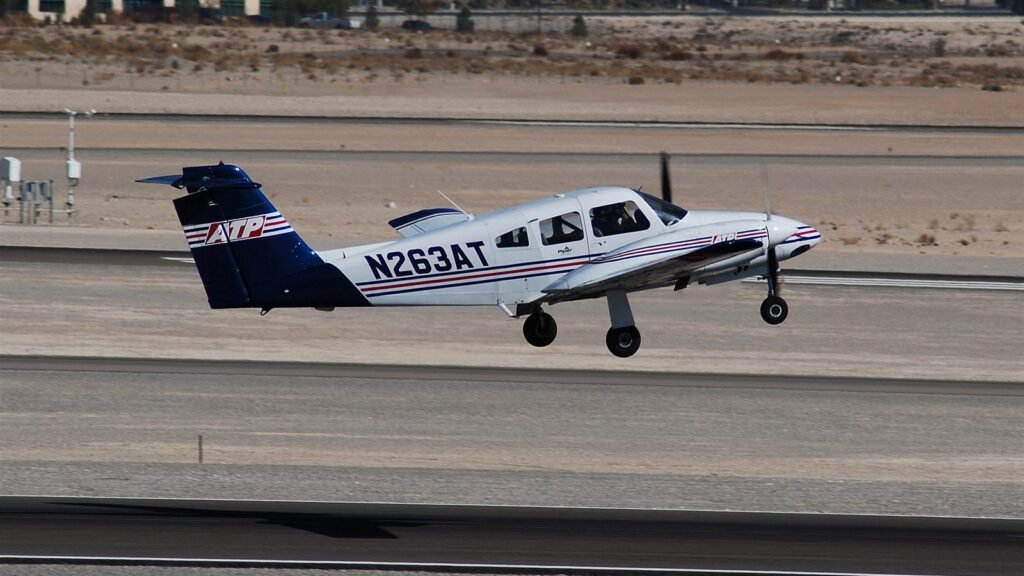
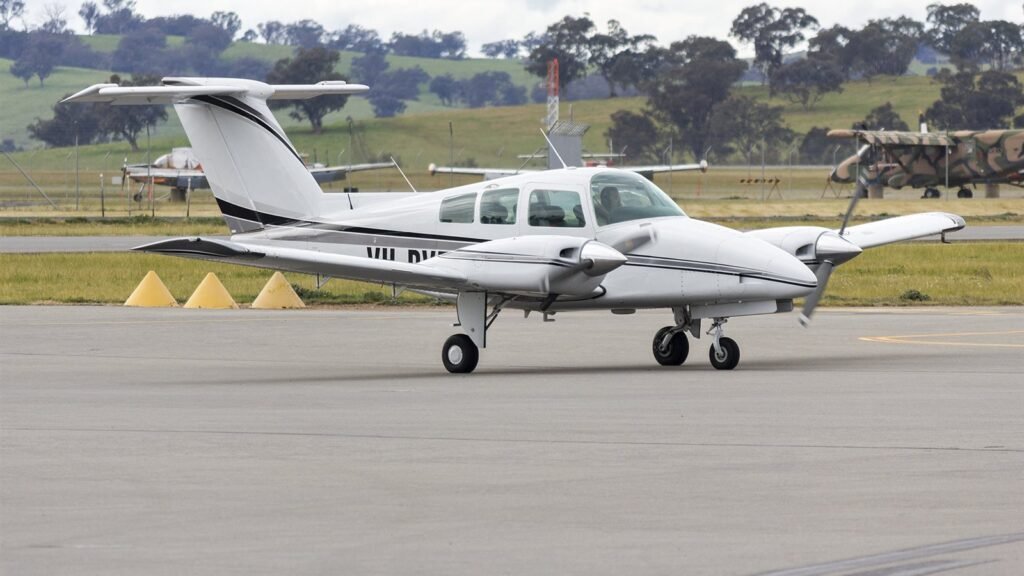
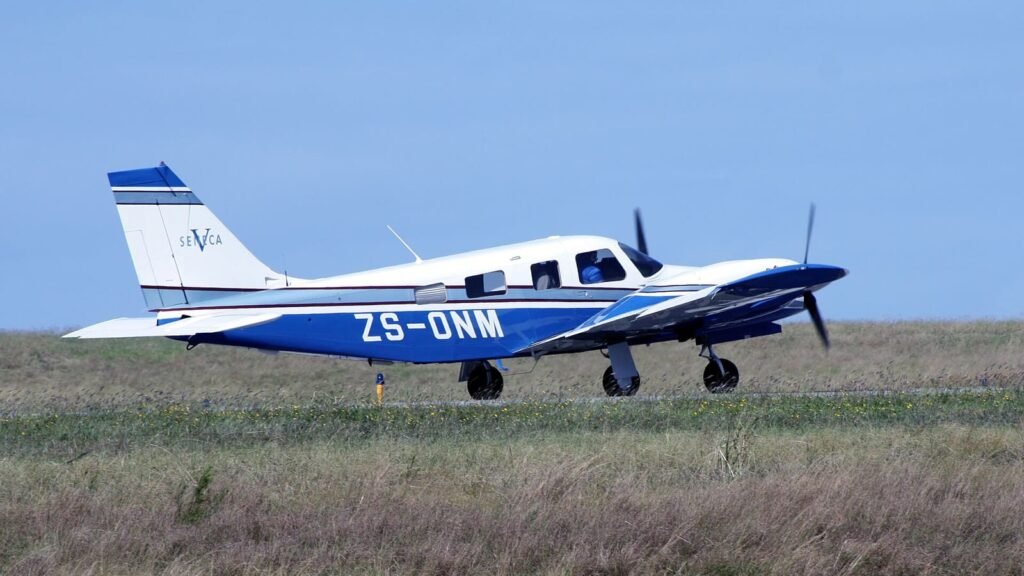
The debate around single engine vs multi engine aircraft is one of the most important topics in pilot training. At first glance, the difference may seem obvious — one aircraft has one engine, the other has two. But in reality, the transition from a single engine aircraft to a twin engine aircraft changes almost every aspect of flying.
From performance and aerodynamics to decision-making and emergency procedures, multi-engine flying introduces an entirely new level of responsibility and situational awareness. It is not simply “more power.” It is a different way of thinking in the cockpit.
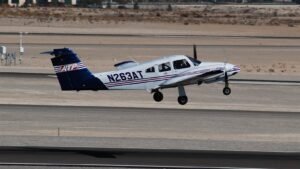
Most pilots begin training in single engine aircraft because they are simpler, cheaper to operate, and easier to understand. Aircraft like the Piper Archer or Cessna 172 are designed to teach the fundamentals of flight without overwhelming the student with complex systems. These aircraft allow pilots to focus on core skills such as navigation, communication, landings, and aircraft control.
However, as pilots advance toward professional aviation, they eventually transition into twin engine aircraft such as the Piper Seminole. This is where aviation starts becoming far more dynamic — and mentally demanding.
Why Single Engine Aircraft Are Ideal for Early Training
Single engine aircraft remain the foundation of pilot education for a reason.
They are mechanically simpler, easier to maintain, and significantly more affordable in terms of fuel and operational costs. This allows student pilots to spend more time in the air while learning essential flying skills.
Another major advantage is reduced cockpit workload. Because the systems are less complex, students can focus entirely on understanding how an aircraft behaves in different phases of flight. This simplicity is one of the biggest reasons many pilots begin their careers in single engine aircraft before transitioning into more advanced twin engine operations.
Modern single engine aircraft are also much more advanced than many people realize. Glass cockpit avionics, GPS navigation, autopilot systems, and advanced safety technology are now common even in training aircraft. In many ways, today’s training airplanes resemble miniature versions of larger commercial aircraft.
Still, when comparing single engine vs multi engine aircraft, the biggest difference is not technology — it is redundancy, workload management, and the way pilots respond during abnormal situations such as engine failure twin engine aircraft operations.
Multi Engine Aircraft Introduce a Completely Different Level of Flying
Flying a twin engine aircraft feels fundamentally different from flying a single engine airplane, and most pilots notice that difference almost immediately after takeoff.
The aircraft accelerates faster, climbs more aggressively, and carries far more momentum throughout the flight. Even basic maneuvers such as turns, descents, and approaches feel different because the aircraft is heavier, more powerful, and aerodynamically more complex.
But the real difference in single engine vs multi engine aircraft is not just performance — it is workload and decision-making.
In a single engine aircraft, pilots often focus mainly on flying the airplane itself: maintaining altitude, controlling speed, communicating with ATC, and navigating safely. In a twin engine aircraft, pilots must constantly think several steps ahead while simultaneously monitoring multiple systems.
Increased System Management
Twin engine aircraft introduce an entirely new layer of systems knowledge.
Pilots now manage:
- two engines instead of one
- more advanced fuel systems
- propeller synchronization
- retractable landing gear
- engine temperatures and pressures
- electrical load balancing
- emergency backup procedures
This means the cockpit becomes significantly busier, especially during high-workload phases like takeoff, climb, descent, and landing.
For many pilots, this is the point where aviation starts feeling less like “driving” and more like actively managing a complex machine.
Performance Changes Everything
One of the biggest differences in single engine vs multi engine aircraft is how quickly situations develop.
A twin engine aircraft climbs faster, covers distance more quickly, and approaches airports at higher speeds. Because of this, pilots have less time to react to changing conditions. Mistakes that might be minor in a slower single engine aircraft can escalate much faster in a twin.
This is especially noticeable during approaches and landings. Pilots must plan earlier, stabilize the aircraft sooner, and manage energy much more carefully.
Instructors often tell transitioning students:
“The airplane is now thinking faster than you are.”
That sounds like a joke — but there is truth behind it.
Engine Failure Becomes a Completely Different Situation
The most dramatic change between single engine vs multi engine aircraft appears during engine failure training.
In a single engine airplane, engine failure usually means one thing: find a landing spot immediately.
In a twin engine aircraft, the aircraft can continue flying — but only if the pilot reacts correctly. This introduces entirely new aerodynamic challenges, including asymmetric thrust, VMC limitations, and directional control issues.
Pilots must quickly:
- identify the failed engine
- maintain control with rudder input
- secure the engine properly
- manage drag and configuration
- maintain safe single-engine airspeed
This creates a level of workload that many pilots have never experienced before.
In fact, many flight schools intentionally surprise students with simulated engine failures during training because the goal is to build instinctive reactions under pressure.
The Psychological Transition
Perhaps the biggest change is psychological.
When pilots move from single engine to twin engine flying, they often realize that they are no longer simply “operating” an aircraft — they are managing risk, systems, and performance simultaneously.
This is why many pilots describe multi-engine training as the point where they truly begin understanding aviation.
Aviation instructors sometimes joke that:
“In single engine training, students learn how to fly the airplane. In twin engine training, they learn how to manage the airplane.”
Behind the humor is an important truth: twin engine flying demands a much higher level of discipline, awareness, and anticipation.
Why Pilots Value Multi-Engine Experience So Highly
Because of these challenges, multi-engine experience is highly respected throughout aviation.
It teaches pilots how to think ahead, prioritize tasks, and stay calm during abnormal situations. These skills become essential later in airline, corporate, and turbine operations, where workload and systems management become even more demanding — one of the defining differences in single engine vs multi engine aircraft flying.
This is one reason why transitioning from single engine to twin engine aircraft is considered one of the biggest milestones in a pilot’s development.
The Biggest Difference: Engine Failure Scenarios
The most critical aspect of single engine vs multi engine aircraft is how each aircraft behaves after an engine failure.
In a single engine aircraft, engine failure immediately transforms the aircraft into a glider. The pilot’s only priority becomes finding a safe landing area within reach.
In a twin engine aircraft, the situation is more complicated — but also potentially more manageable. The aircraft can continue flying on one engine, but only if the pilot properly manages asymmetric thrust, airspeed, and aircraft configuration.
This creates an entirely new category of training focused on:
- engine-out procedures
- VMC (minimum control speed)
- single-engine performance
- directional control
- emergency decision-making
Pilots must understand exactly how the aircraft behaves when one engine stops producing thrust. Losing “half the engines” does not simply mean losing half the performance — the aerodynamic effects are much more complex than that.
Aerodynamics Become Much More Important in Twin Engine Aircraft
One of the biggest surprises for pilots transitioning into twin engine aircraft is how dramatically aerodynamics influence controllability.
When one engine fails, the operating engine creates yaw toward the failed side. This is called asymmetric thrust, and it must be corrected immediately using rudder input and proper aircraft configuration. Understanding these aerodynamic effects is one of the most important differences in single engine vs multi engine aircraft training.
Pilots also learn concepts that barely matter in single engine flying, such as:
- critical engine
- accelerated drag
- zero sideslip
- VYSE (“blue line” speed)
- minimum controllable airspeed (VMC)
These concepts are essential because the aircraft can quickly become uncontrollable if handled incorrectly. In multi-engine flying, performance alone is not enough — pilots must understand how aerodynamics, thrust, and control surfaces interact during abnormal situations.
This is why multi-engine training is not simply about “having another engine.” It is about understanding how the aircraft reacts when symmetry disappears, which is a defining characteristic of single engine vs multi engine aircraft operations.
Multi Engine Aircraft Require a Different Mindset
Another major difference in single engine vs multi engine aircraft is pilot mindset.
Single engine flying often focuses on simplicity and anticipation. Pilots constantly think about possible emergency landing areas because losing the engine means losing all thrust.
In twin engine flying, the mindset changes toward systems management and performance planning. Pilots must constantly monitor engine health, fuel balance, temperatures, pressures, and aircraft configuration.
At the same time, pilots must remain prepared for engine failure at any phase of flight. During takeoff, for example, losing one engine can become extremely demanding because the aircraft is close to the ground, slow, and highly asymmetric.
This creates a higher mental workload throughout the flight.
Professional pilots often say that twin engine flying is less physically difficult — but much more mentally demanding.
Additional Training and FAA Requirements
Because of these added complexities, the FAA requires pilots to complete additional training before operating multi-engine aircraft.
Pilots typically receive around 10–15 hours of specialized flight instruction, although the exact number depends on proficiency. During this training, they learn engine-out procedures, emergency management, systems operation, and multi-engine aerodynamics.
Unlike initial pilot training, multi-engine instruction focuses heavily on abnormal situations rather than normal flight.
Students also complete a practical test, or checkride, where they must demonstrate proper handling of engine failures in multiple flight scenarios.
This training changes the way pilots think. Many describe it as one of the most valuable stages in their aviation development because it forces them to become more disciplined, analytical, and proactive — one of the biggest lessons learned when transitioning from single engine vs multi engine aircraft operations.
Which Is Safer: Single or Multi Engine?
The answer to this question is more nuanced than many people expect.
Twin engine aircraft provide redundancy. If one engine fails, the aircraft can continue flying. This is a major advantage, especially during long flights or operations over difficult terrain.
However, multi-engine aircraft are also more complex. Improper handling after an engine failure can create dangerous aerodynamic situations if the pilot is not properly trained.
Single engine aircraft, on the other hand, are simpler and often easier to operate safely within their limits.
Ultimately, safety depends less on the number of engines and more on pilot proficiency, aircraft maintenance, and decision-making.
Conclusion
Understanding single engine vs multi engine aircraft is about far more than comparing horsepower or speed.
Single engine aircraft teach pilots the fundamentals of flight and provide a simpler, more accessible training environment. Twin engine aircraft introduce higher performance, redundancy, and more advanced systems — but they also demand greater discipline, situational awareness, and aerodynamic understanding.
The transition into multi-engine flying represents a major milestone in aviation training because it changes the way pilots think, plan, and react under pressure.
To better understand how aircraft performance changes during engine loss situations, continue here:
https://melibrary.pro/article/engine-failure-performance/