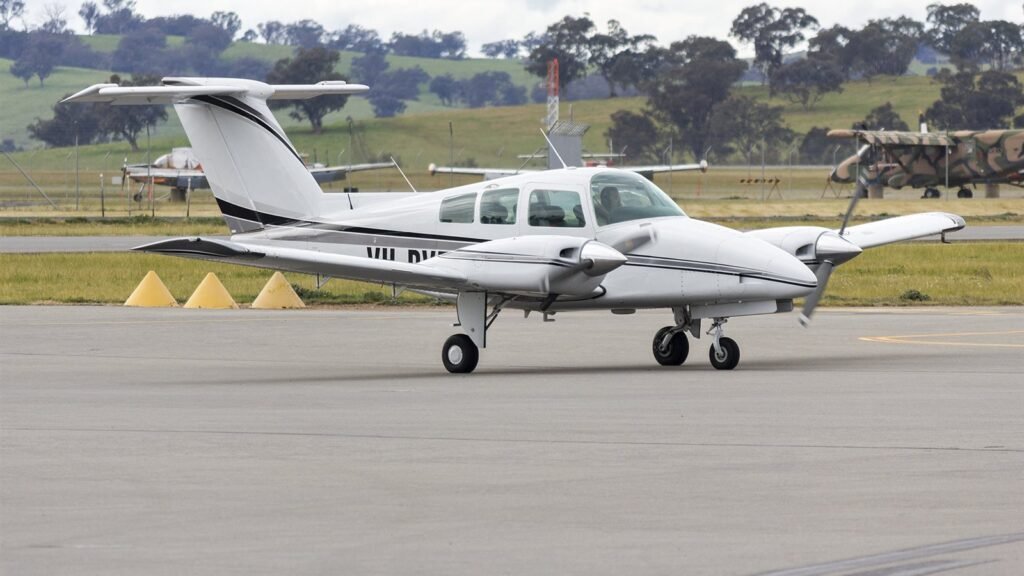
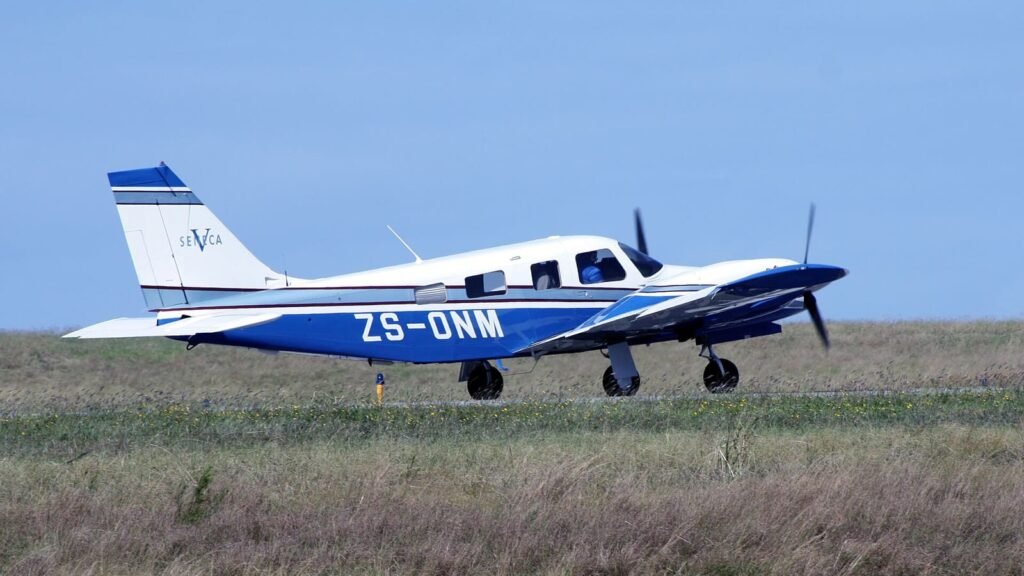
Engine Failure in a Twin-Engine Aircraft: Complete Guide for Multi-Engine Pilots (PA-44 Seminole)
Engine failure twin engine aircraft procedures are essential for every multi-engine pilot. How to recognize, control, and safely manage a single-engine emergency in flight is a critical skill that determines whether the situation remains safe or becomes hazardous.

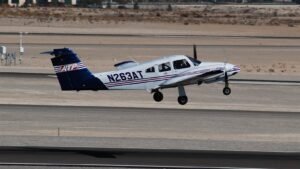
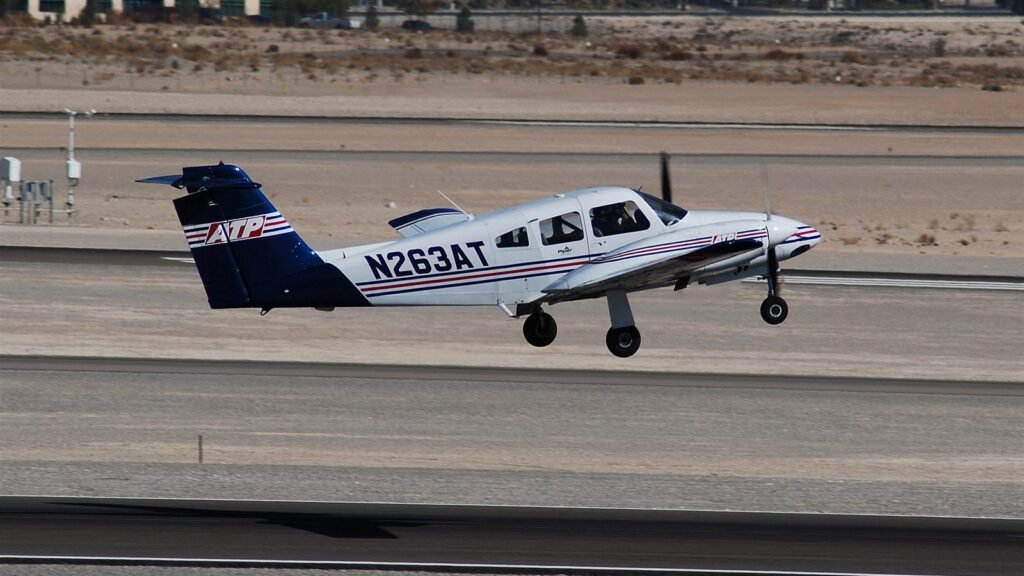
Few events in a pilot’s flying career trigger as much urgency and physiological stress as an engine failure in a twin-engine aircraft. Although the second engine provides redundancy, a mishandled response can quickly turn a controllable situation into an unrecoverable loss of control. For pilots flying the Piper PA-44 Seminole, understanding procedures, aerodynamics, limitations, and decision-making is fundamental to ensuring safety.
Why Engine Failure Requires Immediate Precision
Twin-engine aircraft are generally capable of continued flight after losing one engine, but only if the pilot responds correctly. Any engine failure twin engine aircraft event instantly introduces asymmetric thrust, drag from a windmilling propeller, yaw and roll toward the dead engine, and reduced climb performance. Although the PA-44 Seminole benefits from counter-rotating engines, immediate and precise action remains essential.
Recognizing an Engine Failure
An actual engine failure manifests with clear aerodynamic and mechanical cues. The aircraft will yaw and begin to roll toward the inoperative engine because of the sudden loss of thrust. Pilots may see an immediate drop in performance, airspeed decay, and degrading climb capability — all common indicators of an engine failure twin engine aircraft scenario.
Cockpit indications include reduced manifold pressure, dropping RPM, oil pressure changes, fuel flow imbalance, or warning annunciations. Sound changes or silence from one side of the aircraft are often noticeable. Instructors simulate failures routinely, but real failures feel sharper and more abrupt.
The Key Memory Aid Dead Foot Dead Engine
One of the most reliable and time-tested identification techniques during an engine failure twin engine aircraft emergency is the “dead foot, dead engine” principle. When an engine fails, the aircraft yaws strongly toward the inoperative side. The pilot instinctively pushes rudder toward the operating engine to counter the yaw, while the opposite foot relaxes. The relaxed or “dead” foot indicates the failed engine.
If the right engine quits, the aircraft yaws right, the pilot applies left rudder, and the right foot goes slack. If the left engine quits, the opposite happens. This simple cue has prevented countless misidentification accidents, especially under high workload or stress.
However, the memory aid is only the first step. Pilots must still confirm the failure using engine instruments and verify through throttle movement before securing the engine. Combining “dead foot, dead engine” with disciplined verification dramatically reduces the risk of shutting down the wrong powerplant — a critical factor in engine failure twin engine aircraft situations where every second matters.
Initial Response Maintain Control First
The most important action during an engine failure twin engine aircraft emergency is maintaining full control of the aircraft. All other procedures come second. At the moment of failure, the aircraft may yaw, roll, and lose airspeed rapidly, creating the risk of entering an uncontrollable condition if the pilot hesitates.
The first priority is pitching immediately for Vyse — approximately 88 knots in the PA-44 Seminole — the best single-engine rate-of-climb speed. Holding Vyse ensures the aircraft has adequate performance and prevents airspeed decay toward Vmc, the minimum controllable airspeed. Allowing the aircraft to slip below Vmc can result in sudden, violent loss of directional control.
At the same time, the pilot must apply coordinated rudder to counter yaw and establish a small bank angle (2–5°) toward the operating engine. This slight bank significantly improves controllability and reduces the required rudder force. Mastering these initial control inputs is essential for surviving an engine failure twin engine aircraft event.
Power Drag and Configuration
Once directional control is established and the aircraft is stabilized at Vyse, the next step is managing power, drag, and overall configuration. The pilot should smoothly advance full power on the operating engine, ensuring maximum thrust is available. Any hesitation reduces climb performance and safety margins.
Next, the aircraft must be cleaned up immediately. Flaps should be fully retracted unless needed for terrain clearance, and landing gear should be raised as soon as a positive rate of climb is confirmed. Gear and flaps create large amounts of drag, which can completely eliminate single-engine climb capability in an engine failure twin engine aircraft emergency.
The windmilling propeller on the failed engine is one of the most significant drag sources. Until it is feathered, it acts like a large rotating disc, pulling the aircraft left or right and severely degrading performance. This makes proper engine identification and prompt feathering essential once the failure is verified. Managing drag efficiently often determines whether the aircraft can climb, maintain altitude, or continue descending.
Identify Verify Feather
Pilots use a structured three-step process to avoid shutting down the wrong engine: identify, verify, feather.
Identify the failed engine through rudder input and instrument readings. Verify by briefly reducing both throttles and then advancing power on the suspected operating engine. If performance increases, the identification is correct.
Feathering the failed engine’s propeller is crucial. In the PA-44, the procedure includes mixture idle cutoff, prop lever to feather, throttle closed, and systems off. Feathering dramatically reduces drag and restores the best possible single-engine climb performance.
Maintaining Single Engine Performance
After securing the failed engine, pilots must maintain Vyse and carefully manage pitch, bank angle, and power. Small deviations can quickly degrade performance. Weight, density altitude, gear configuration, and atmospheric conditions determine whether the aircraft can climb or only maintain level flight.
Critical Decision Making Return or Continue
Once the aircraft is stabilized after an engine failure twin engine aircraft event, the pilot must immediately evaluate whether continuing the flight is safe or if an immediate return is required. This choice depends on altitude, performance, environmental factors, and how quickly the aircraft has been brought under control.
At low altitude, especially shortly after takeoff, returning to land is almost always the safest option. During an engine failure twin engine aircraft emergency near the ground, the aircraft may not have enough climb performance to maintain altitude or safely maneuver. Attempting a turnback without sufficient altitude is one of the most common fatal mistakes. The priority is maintaining Vyse, stabilizing yaw, and choosing the safest and simplest path to the runway.
In cruise, with good weather and a suitable airport close by, continuing the flight may be reasonable — but only if the aircraft demonstrates reliable single-engine performance. Pilots must continually monitor airspeed, climb rate, terrain clearance, and remaining engine parameters. A conservative approach is always preferred, as even small performance losses can make continuation unsafe, especially at high density altitude or with heavy weight.
Effective decision-making is built on discipline, realistic performance expectations, and a strong understanding of single-engine limitations.
Importance of Multi Engine Training
Multi-engine training is crucial because most engine failure twin engine aircraft accidents are caused by pilot response, not mechanical breakdown. The goal of training is to build instinctive reactions, precise control inputs, and deep aerodynamic understanding so that no action is delayed or confused during a real emergency.
Training typically includes zero-thrust simulation, Vmc demonstrations, engine-out approaches, and single-engine landing techniques. These exercises teach pilots how the aircraft truly behaves with asymmetric thrust and how quickly performance can deteriorate when Vyse is not maintained.
A strong training foundation helps pilots stay ahead of the aircraft, manage workload under pressure, and avoid common traps such as overusing aileron or forgetting to feather the failed propeller. Practicing realistic scenarios also develops decision-making skills — an essential factor when dealing with an engine failure twin engine aircraft situation in complex airspace, poor weather, or mountainous terrain.
Regular proficiency flights ensure that skills stay sharp and that critical memory items remain automatic.
Common Errors During Engine Failure Emergencies
Pilots facing an engine failure twin engine aircraft emergency often repeat the same preventable mistakes. One of the most dangerous errors is misidentifying the failed engine. Shutting down the operating engine instantly removes all thrust, leaving no margin for recovery. This is why the “dead foot, dead engine” principle and proper verification steps are essential.
Another common error is failing to feather the propeller. A windmilling propeller produces extreme drag, often making single-engine climb impossible. Allowing airspeed to fall below Vmc is equally hazardous, as it can lead to a sudden uncontrollable roll toward the inoperative engine and, in many cases, entry into a spin.
Additional errors include improper rudder use, excessive banking, incomplete shutdown procedures, misplaced attention during high workload, and attempting unnecessary maneuvering at low altitude. Many accidents show pilots trying to turn back prematurely or over-controlling the aircraft under stress.
Avoiding these mistakes requires repetition, understanding of aerodynamics, and disciplined adherence to procedures. Studying real-world engine failure twin engine aircraft incidents helps reinforce the importance of staying calm, methodical, and focused on the fundamentals.
Conclusion
Engine failure in a twin-engine aircraft demands immediate and precise action. The PA-44 Seminole is capable of safe single-engine flight if the pilot maintains Vyse, applies correct rudder and bank, identifies and verifies the failed engine, feathers the propeller promptly, and makes realistic decisions based on altitude and performance. Proper training and disciplined technique turn a potentially catastrophic situation into a manageable emergency.
For further study on this topic, see:
https://melibrary.pro/article/propeller-governor-twin-engine-diagnostics/