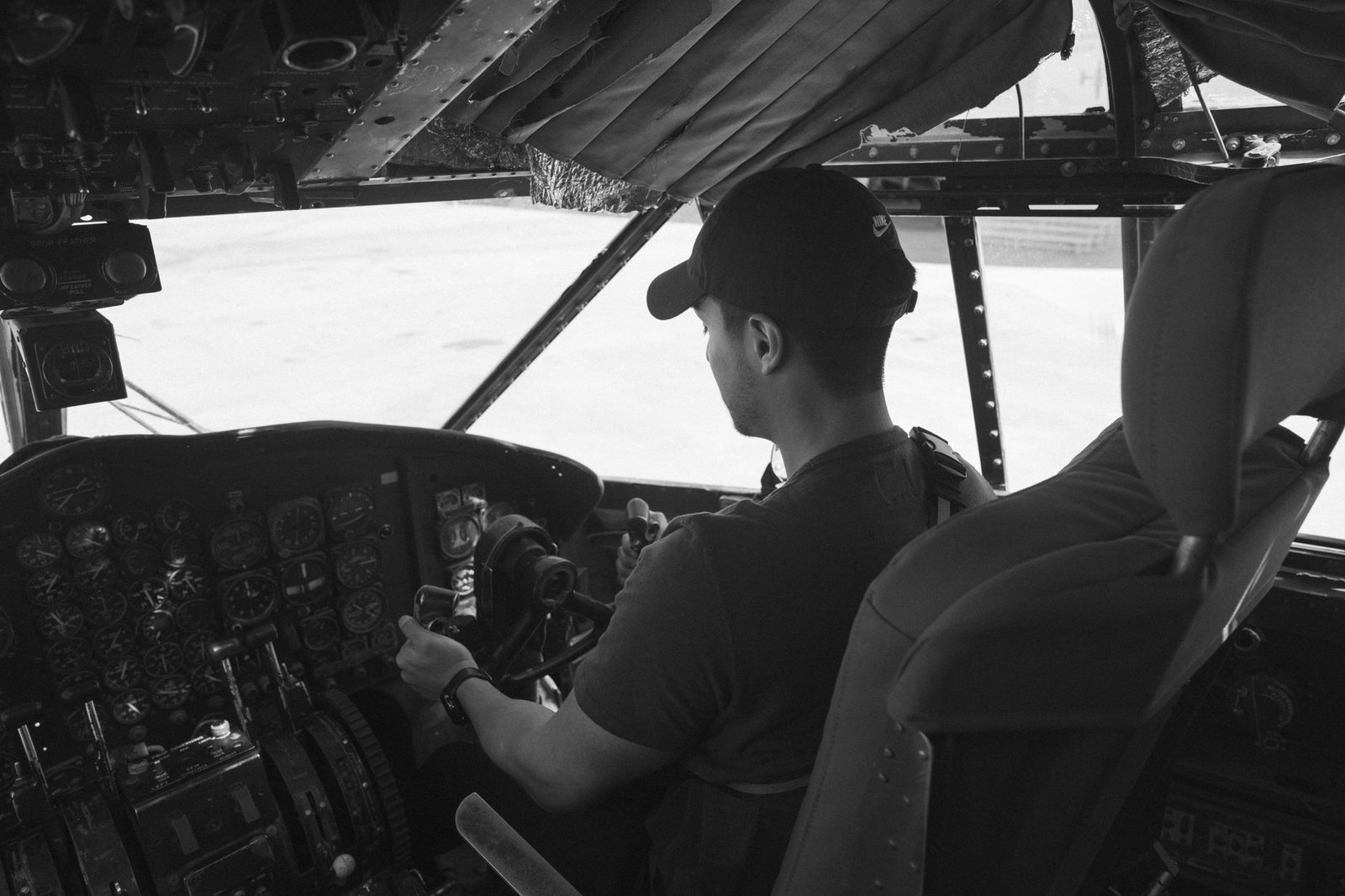
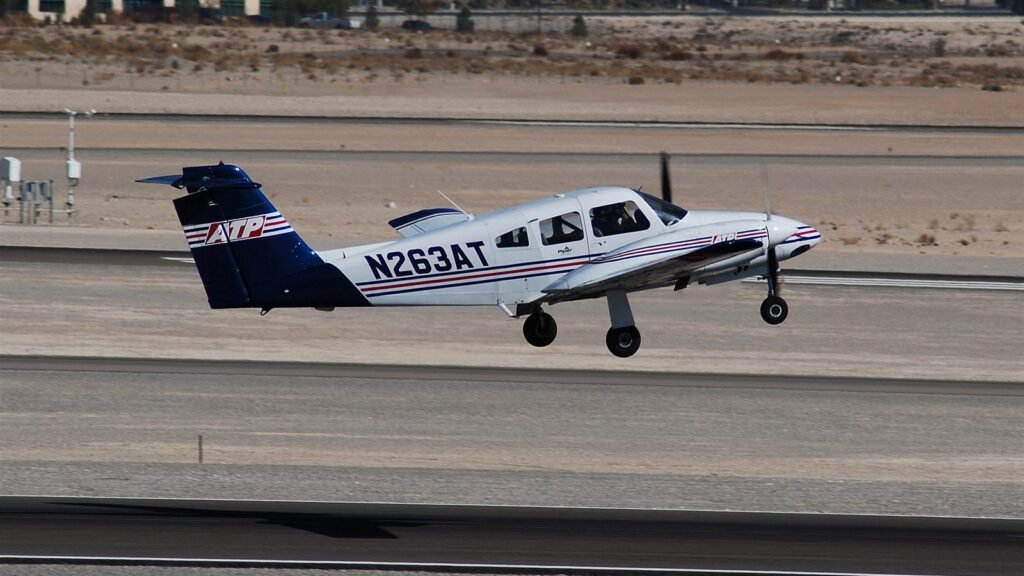
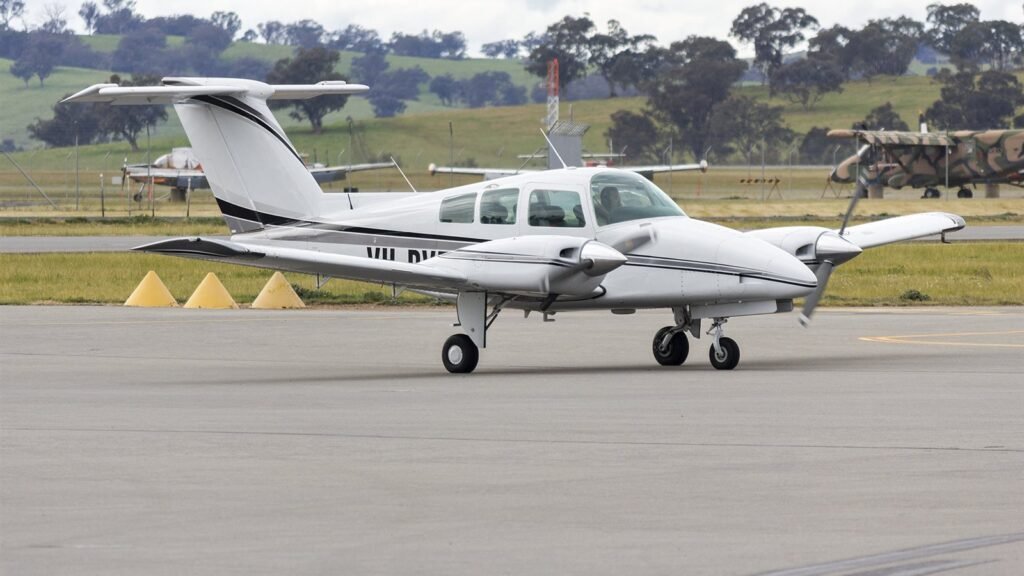
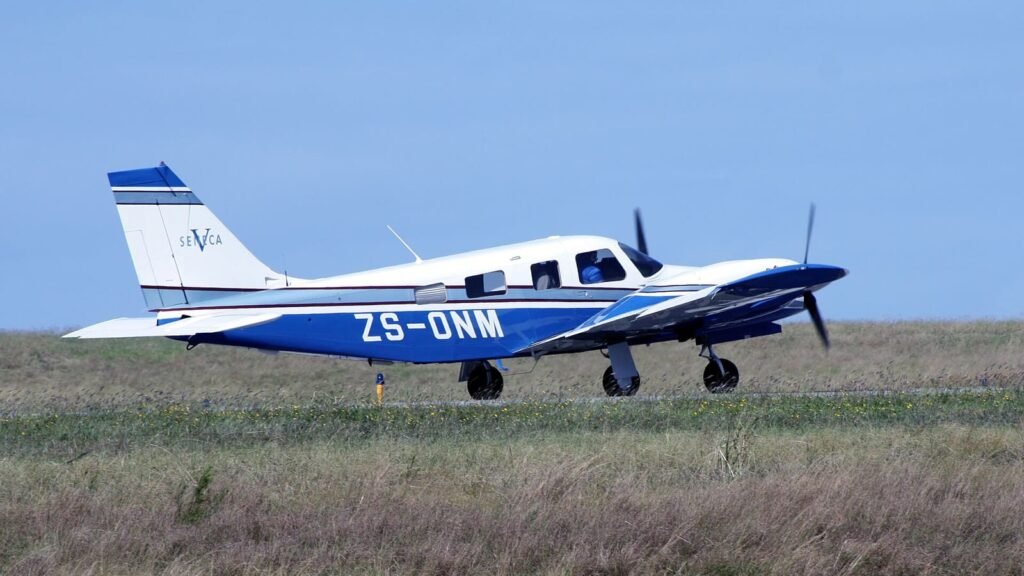
A twin engine aircraft is often associated with greater power, higher performance, and improved reliability compared with single-engine airplanes. For many pilots and aircraft owners, the idea of having two engines provides an additional sense of safety and operational capability.
However, the debate between single-engine and twin engine aircraft continues in aviation circles. While two engines provide redundancy and better performance, they also introduce additional complexity, training requirements, and operational costs.
Understanding the real advantages and limitations of a twin engine aircraft helps pilots, aircraft owners, and aviation enthusiasts make informed decisions about aircraft selection and operation.
Twin Engine Aircraft Performance Compared to Single Engine Aircraft
When comparing aircraft performance, a twin engine aircraft generally offers greater power and improved climb capability. With two engines producing thrust, these aircraft can achieve higher cruise speeds and maintain performance in a wider range of operating conditions.
One of the major performance advantages of a twin engine aircraft is the ability to maintain flight if one engine fails. Although performance is reduced in single-engine operation, the aircraft can often continue flying and reach a safe landing location.
Twin-engine airplanes also typically have:
-
higher cruise speeds
-
better climb performance
-
improved high-altitude capability
-
increased payload capacity
These characteristics make twin-engine aircraft well suited for long-distance travel, business aviation, and multi-engine training.
Single-engine aircraft, however, still have important advantages. They are simpler to operate and maintain, and they generally require less pilot workload. For many private pilots and training environments, single-engine airplanes remain the most practical choice.
Choosing between aircraft types depends on the mission profile, pilot experience, and operational requirements.
Safety of a Twin Engine Aircraft
One of the most commonly discussed benefits of a twin engine aircraft is redundancy. If one engine fails, the second engine can continue producing thrust, allowing the aircraft to maintain controlled flight.
This redundancy increases operational safety in many situations, especially during long flights or operations over difficult terrain.
However, operating a twin engine aircraft during an engine failure requires advanced pilot training. The aircraft will experience asymmetric thrust, which creates a yawing moment toward the failed engine.
Pilots must apply proper rudder input and maintain correct airspeed above VMCA (minimum control speed) to maintain directional control.
Because of this, multi-engine pilots must learn specific procedures such as:
-
engine failure recognition
-
asymmetric thrust management
-
single-engine climb procedures
-
maintaining airspeed above VMCA
Safety in aviation ultimately depends not only on aircraft design but also on pilot proficiency and training.
Cost of Operating a Twin Engine Aircraft
While the performance benefits of a twin engine aircraft are significant, operating costs are generally higher than those of single-engine airplanes.
Typical cost differences include:
-
higher purchase price
-
increased fuel consumption
-
more complex maintenance
-
higher insurance costs
Each engine requires regular inspections, maintenance, and overhaul, which increases long-term ownership expenses.
For private pilots or flight schools operating on limited budgets, single-engine aircraft often provide a more economical solution.
However, for commercial operators, business aviation, and multi-engine flight training programs, the performance and redundancy of a twin engine aircraft often justify the higher costs.
Choosing Between a Single Engine and Twin Engine Aircraft
Selecting the right aircraft type depends on several important factors.
Mission and Flight Purpose
Pilots must first consider the purpose of the aircraft. Training flights, recreational flying, business travel, and cargo transport all have different operational requirements.
Budget and Operating Costs
Budget plays a significant role when selecting an aircraft. A twin engine aircraft may provide greater capability, but it also requires higher operational investment.
Pilot Training and Experience
Operating a multi-engine airplane requires additional certification and training. Pilots must obtain a multi-engine rating and demonstrate proficiency in handling asymmetric thrust and engine-out procedures.
Range and Payload
Twin-engine airplanes often have greater range and payload capacity. This allows them to carry more passengers or cargo while maintaining higher cruise speeds.
Technological Progress in Twin Engine Aircraft
Modern aviation technology has significantly improved the efficiency and reliability of twin engine aircraft.
Aircraft manufacturers continue to develop new systems that enhance:
-
engine reliability
-
fuel efficiency
-
flight safety
-
avionics capability
Modern twin-engine aircraft such as the Diamond DA42, Beechcraft Baron, and Piper Seminole demonstrate how modern design can combine performance, safety, and efficiency.
In commercial aviation, twin-engine aircraft dominate the airline industry. Modern airliners such as the Boeing 737, Airbus A320, and Boeing 787 rely on powerful twin-engine configurations for long-distance operations.
Advantages of a Twin Engine Aircraft
A twin engine aircraft offers several important advantages compared with single-engine airplanes.
Engine Redundancy
The presence of two engines provides an additional safety margin if one engine fails.
Greater Performance
Twin engines allow the aircraft to achieve higher cruise speeds and better climb performance.
Increased Payload Capacity
Twin-engine airplanes often carry more passengers or cargo.
Operational Flexibility
Pilots can operate twin-engine aircraft in a wider range of conditions, including higher altitudes and longer routes.
Why Twin Engine Aircraft Remain Popular
Despite higher operating costs, twin engine aircraft remain extremely popular in both general aviation and commercial aviation.
Their ability to combine performance, redundancy, and long-distance capability makes them essential for many aviation missions.
Multi-engine aircraft also play a key role in pilot training, helping pilots develop the skills required to manage complex aircraft systems and asymmetric thrust conditions.
Conclusion
A twin engine aircraft offers significant advantages in power, performance, and operational capability. While they require additional training and higher operating costs, their redundancy and performance characteristics make them valuable for both training and commercial aviation.
Understanding the differences between single-engine and twin engine aircraft allows pilots and aircraft owners to make better decisions based on mission requirements, safety considerations, and operating budgets.
To better understand how aircraft behave when one engine fails, read our detailed guide on twin engine failure procedures:
Engine Failure Twin Engine Aircraft: Control and VMCA Explained