As the Beechcraft King Air reached its 60th anniversary in 2024, the aircraft remained one of the most respected and widely used twin engine turboprops in aviation. Operators large and small continue to rely on the King Air for corporate transportation, air ambulance missions, cargo operations, military support, government service, and flights into remote airports where many business jets cannot operate efficiently.
The King Air story began during a remarkable period in history. In 1964, Lyndon B. Johnson won the U.S. presidential election, the Beatles made their first major appearance in the United States, the Civil Rights Act was signed into law, Tokyo hosted the Summer Olympics, and Muhammad Ali became the world heavyweight boxing champion. During that same year, another heavyweight emerged—this time in the aviation industry.
In May 1964, Beech Aircraft Corporation received the type certificate for the Model 90 King Air. The fully equipped aircraft was originally priced at approximately US$320,000. Two months later, the first corporate King Air was delivered to United Aircraft of Canada, Ltd., the company that would later become Pratt & Whitney Canada.
That first delivery also reflected one of the most important partnerships in turboprop aviation. Pratt & Whitney Canada supplied the production PT6 engines used to power the King Air, creating a combination that would become known for reliability, durability, and operational flexibility. The pairing of two PT6 engines with the King Air airframe helped establish a new standard for pressurized twin engine aircraft.
From the beginning, the King Air offered operators a practical balance between piston twins and business jets. Its twin engine configuration provided greater power, redundancy, payload capability, and performance than many piston aircraft, while its turboprop design allowed it to use shorter runways and operate more economically on regional routes than many jets.
This combination became the foundation of the King Air’s long-term success. The aircraft was not designed for only one mission. It was created as a versatile twin engine platform capable of carrying passengers, cargo, medical equipment, surveillance systems, or military personnel while operating from airports with limited infrastructure.
Nearly six decades later, the basic concept remains highly relevant. The King Air continues to demonstrate why a well-designed twin engine turboprop can remain competitive across generations: it combines dependable engines, a strong airframe, pressurized cabin comfort, useful payload, short-field capability, and the flexibility to perform missions that would otherwise require several different aircraft types.

Since its introduction, the Beechcraft King Air has grown into one of the most successful twin engine turboprop aircraft families ever produced. Beechcraft, now operating under the Textron Aviation banner, has delivered more than 7,600 King Air aircraft to commercial, government, and military customers around the world. According to the manufacturer figures cited in the source, approximately 6,320 King Airs remained in operation, while the worldwide fleet had accumulated about 63 million flight hours.
These numbers demonstrate more than strong sales. They reflect decades of practical service across thousands of demanding missions. A twin engine aircraft does not build such a long operational history through reputation alone. It must prove that it can carry useful loads, operate reliably in difficult conditions, remain supportable over many years, and adapt to changing technology without losing the qualities that made it successful in the first place.
The King Air family has achieved that balance by continually evolving while preserving the basic strengths of the original design. The King Air 360 entered service in November 2020, while the King Air 260 represented the newest generation of the long-running 200-series line. Together, these aircraft brought modern cockpit systems, improved automation, updated interiors, and enhanced operational capability to an airframe concept that dates back to the King Air’s first flight nearly six decades earlier.
The continued development of the King Air shows why the platform has remained relevant in an aviation market where many competing aircraft have appeared and disappeared. Operators have not remained loyal simply because the aircraft is familiar. They continue choosing it because the King Air offers a rare combination of speed, payload, range, cabin comfort, short-field performance, and twin engine redundancy.
Its global reach is equally significant. The source describes the King Air as serving approximately 4,100 operators in 130 countries, which illustrates how effectively the aircraft adapts to different environments and mission profiles. It can transport executives between regional business centers, carry medical teams to remote communities, move cargo into airports with limited infrastructure, and support military or government operations in regions where jet aircraft may be less practical.
This flexibility is one of the main reasons the King Air has earned a reputation as an aviation workhorse. Unlike aircraft designed around a narrow mission, the King Air functions as a true multipurpose twin engine platform. It can be configured for passengers, freight, air ambulance equipment, surveillance systems, training, or special missions while retaining the performance and reliability expected from a pressurized turboprop.
That workhorse reputation is central to the aircraft’s continued popularity. The King Air may not always be the fastest aircraft available, nor the least expensive to acquire, but it consistently provides operators with a practical balance of capability and operating efficiency. For many organizations, that balance is more valuable than maximum speed alone.
The result is a twin engine turboprop that has remained useful across multiple generations of aviation technology. Its longevity is not based on nostalgia. It comes from a design that continues to perform real work efficiently, reliably, and across an unusually wide range of operating conditions.
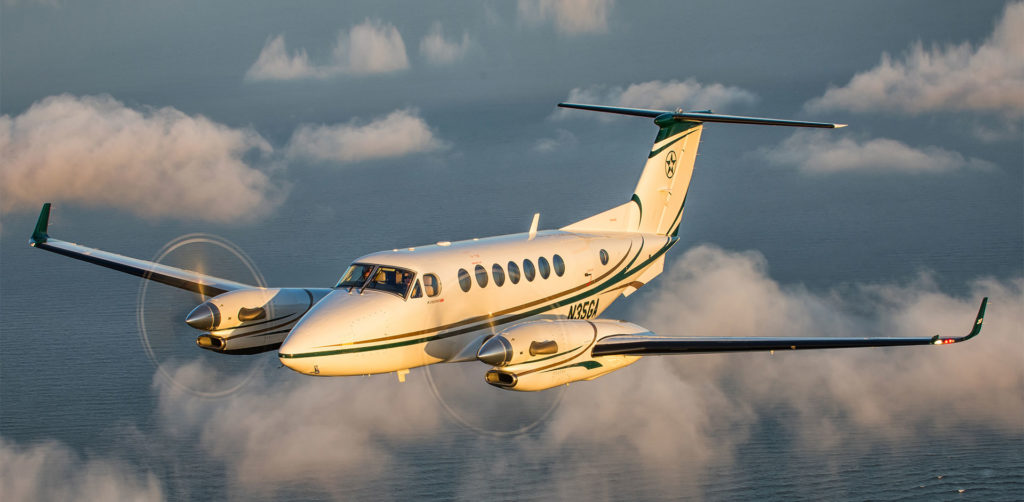
Cabin Comfort and Load-Carrying Flexibility
One of the strongest reasons operators continue choosing the Beechcraft King Air is the combination of a spacious cabin and a highly usable payload envelope. Many twin engine turboprops force operators to make difficult compromises between passengers, baggage, and fuel. The King Air has earned a different reputation: in many missions, operators can carry a practical passenger load, bring the required baggage, add substantial fuel, and depart without facing the same level of weight-and-balance restrictions found in less capable aircraft.
This flexibility is why the King Air is often described as the “SUV” of the Textron Aviation product line. It is not a single-purpose aircraft designed only for executive travel or only for utility work. Instead, it combines the cabin comfort expected in business aviation with the payload capability and durability needed for demanding operational missions.
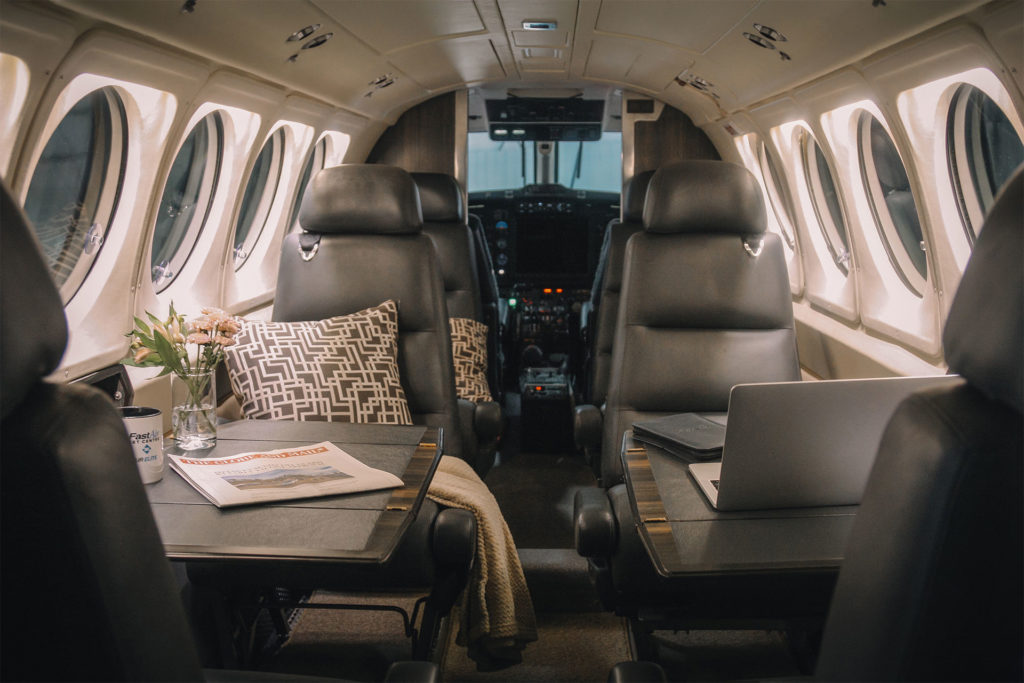
For passengers, the cabin has always been one of the aircraft’s major attractions. The King Air offers a wider and more comfortable environment than many smaller twin engine aircraft, making it suitable for regional business flights, charter operations, medical transport, and long working days involving multiple legs. Operators can configure the cabin for executive seating, high-density passenger transport, medical equipment, cargo, or a combination of these roles.
The aircraft’s large operating envelope also reduces the planning limitations that can complicate everyday missions. A useful payload is not simply a brochure number. It determines whether an aircraft can carry the people, equipment, and fuel required for the actual trip. The King Air’s ability to support a wide variety of loads helps explain why it remains attractive to corporate departments, medevac providers, charter companies, government agencies, and remote-area operators.
A Quieter and More Refined Twin Engine Turboprop
Older turboprops are sometimes associated with high cabin noise, vibration, and a utilitarian passenger experience. That perception can cause first-time buyers to underestimate how refined modern King Air variants have become.
Over time, Textron Aviation has continued improving insulation, interior materials, propeller technology, pressurization, lighting, seating, and cabin design. The result is a modern twin engine turboprop that can provide a passenger experience much closer to a business jet while retaining the operating advantages of a turboprop.
This is especially important on short and medium-range missions. A business jet may offer greater cruise speed, but the time advantage can become relatively small on shorter routes. The King Air can provide a comfortable pressurized cabin, lower-speed runway capability, and practical operating economics without forcing passengers to accept an outdated or excessively noisy interior.
The aircraft has therefore evolved from a dependable utility platform into a more luxurious multipurpose aircraft. It still performs cargo, medevac, military, and remote-access missions, but it can also carry executives and charter passengers in a cabin designed to meet modern business aviation expectations.
King Air 360 Cabin Improvements
The King Air 360 illustrates how Textron has modernized the platform without abandoning its fundamental strengths. Its cabin incorporates upgraded seating and cabinetry influenced by the company’s Citation business jet line, helping the turboprop deliver a more refined interior environment.
An enhanced digital pressurization system improves passenger comfort by managing cabin altitude more precisely and reducing pilot workload. Updated cabinetry, redesigned sidewalls, improved lighting, and modern materials create a cabin that feels more contemporary while preserving the practical dimensions that have always made the King Air useful.
These improvements matter because passenger comfort is not limited to appearance. Better pressurization can reduce fatigue, while improved seating and cabin ergonomics are particularly valuable during repeated daily sectors or missions lasting several hours.
For a twin engine aircraft that may operate as an executive transport in the morning and support a medical, government, or utility mission later in its service life, this combination of comfort and adaptability adds considerable long-term value.
Modern Cockpit Technology
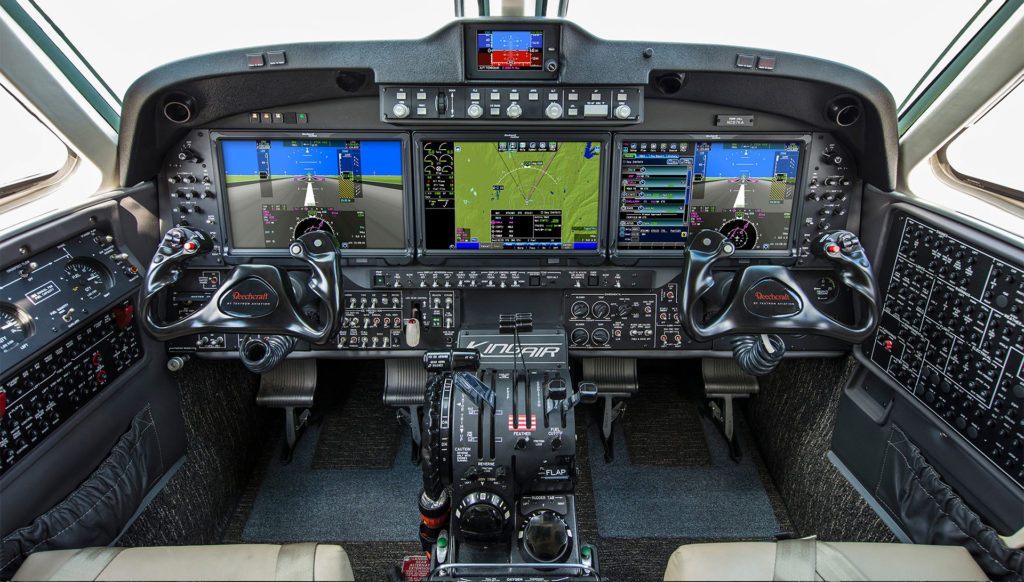
The King Air’s evolution is equally visible in the cockpit. Modern variants incorporate Collins Aerospace Pro Line Fusion avionics, giving pilots integrated flight displays, advanced navigation, situational awareness, and modern systems management.
The avionics suite helps transform a traditional twin engine turboprop into a contemporary flight deck capable of supporting demanding IFR, corporate, charter, and special-mission operations. Instead of relying on a fragmented collection of older instruments, pilots can access flight, navigation, weather, traffic, and systems information through an integrated interface.
Full autothrottle capability further reduces workload by automatically managing engine power during important phases of flight. In a twin engine aircraft, coordinated and accurate power management is especially valuable because unequal power settings can create yaw, increase pilot workload, and complicate high-workload situations.
Autothrottle does not remove the need for pilot understanding or aircraft-specific training. However, it can improve consistency and allow pilots to devote more attention to navigation, weather, traffic, and overall flight management.
This technology is particularly valuable during single-pilot operations, where one pilot must manage both engines, avionics, communications, checklists, and changing weather conditions without assistance from a second crewmember.
The Value of a Modernized Legacy Design
The King Air’s continued success comes from its ability to modernize without losing the characteristics that operators value most. New interiors, digital pressurization, integrated avionics, and autothrottle have improved comfort and reduced workload, but the aircraft remains a practical load-carrying twin engine turboprop.
That balance is difficult to achieve. A completely new aircraft may offer advanced technology but lack a mature support network or proven service history. An older design may be dependable but struggle to meet modern expectations for avionics and passenger comfort. The King Air combines both: a well-established airframe concept with continuing technological improvement.
The source also lists 2021 base prices of approximately US$7.05 million for the King Air 260, US$8.39 million for the King Air 360, and US$8.93 million for the extended-range King Air 360ER. These figures reflect historical pricing from the source rather than current market values, but they illustrate the positioning of the aircraft family within the premium twin engine turboprop market.
Versatility Across Civilian and Military Missions
The Beechcraft King Air has remained successful because it is not limited to a single role. Its pressurized cabin, useful payload, twin engine reliability, and ability to operate from relatively short or unimproved runways allow the aircraft to serve a broad range of civilian, government, and military missions.
For civilian operators, the King Air has long been a popular medevac platform. The cabin can be adapted for medical equipment, stretchers, critical-care teams, and patient transport while still providing the speed and range needed to connect remote communities with larger medical centers. The aircraft’s twin engine configuration adds an important level of operational confidence when flying at night, in poor weather, or over sparsely populated terrain.
The same qualities make the King Air effective as a passenger and cargo aircraft. Operators can use it to transport business travelers, technical teams, government personnel, freight, tools, or specialized equipment. Its ability to switch between these roles is one of the main reasons the type remains attractive to organizations that need one aircraft to perform several different missions.
Access to Remote and Unimproved Airports
One of the King Air’s greatest advantages is its ability to operate from airports that may be unsuitable for many business jets. Northern and remote-area operators often serve destinations with shorter runways, limited ground infrastructure, or surfaces that are not as well maintained as those at major airports.
The King Air’s turboprop performance profile makes it particularly valuable in these environments. Propellers provide strong low-speed thrust, supporting shorter takeoff and landing distances than many comparable jets. This allows the aircraft to reach communities, industrial sites, medical facilities, and government installations that would otherwise require slower aircraft or additional ground transportation.
Twin engine power also gives the King Air the payload capability needed to carry passengers and equipment into these locations without sacrificing the speed required for efficient regional operations. This balance between access and performance is difficult to match with either a light piston twin or a conventional business jet.
The King Air’s Ideal Mission Range
The King Air is especially effective on regional flights of up to approximately 1,000 nautical miles. Within this range, it can transport four to eight passengers quickly and comfortably while avoiding many of the operating costs associated with jet aircraft.
This mission profile is common among corporate owners with offices, factories, energy facilities, or other business locations spread across a region. Instead of relying on airline schedules or driving for many hours, a company can use a King Air to complete several locations in a single day.
On shorter routes, the speed advantage of a business jet may not justify the additional fuel consumption, acquisition cost, and runway requirements. The King Air offers enough cruise performance to make the trip efficient while retaining the flexibility to use smaller airports closer to the passenger’s actual destination.
This is where the aircraft’s twin engine turboprop design becomes especially valuable. It provides a practical middle ground between slower piston aircraft and faster but more expensive jets.
A Practical Corporate Aircraft
The King Air is also popular because it is often perceived as a practical and conservative business aircraft. It provides professional transportation without appearing unnecessarily extravagant.
For corporate, government, and public-sector operators, perception can matter. A business jet may be viewed by some passengers or members of the public as excessive, even when it is being used for legitimate operational reasons. A turboprop such as the King Air generally communicates utility and efficiency rather than luxury alone.
That does not mean the aircraft lacks comfort. Modern King Air cabins can offer executive seating, pressurization, climate control, refined interiors, and advanced cockpit technology. The difference is that these features are combined with visible operational practicality.
The aircraft can carry executives one day and medical personnel, engineers, or cargo the next. This makes it easier for an organization to justify the aircraft as a productive business tool rather than a specialized executive luxury.
Why the Twin Engine Configuration Matters
The King Air’s versatility is closely connected to its twin engine configuration. Two turboprop engines provide the power required for useful payloads, high-altitude cruise, pressurization, and reliable operation across a wide range of conditions.
For medevac, military, government, and remote-area missions, twin engine capability can be particularly important. These flights may operate over mountains, forests, water, or isolated regions where an immediate landing option is not always available.
The second engine does not eliminate risk, and safe operation still depends on single-engine performance, weight, weather, terrain, and pilot training. However, the King Air was designed around the operational demands of professional twin engine flying rather than simply adding a second engine to a light aircraft.
This gives operators a platform capable of combining regional speed, significant payload, pressurized comfort, and access to smaller airports in one aircraft.
A True Multipurpose Twin Engine Aircraft
The King Air’s continued popularity comes from its ability to complete missions that would otherwise require several different aircraft types. It can serve as an executive transport, air ambulance, cargo carrier, military platform, personnel shuttle, or remote-access aircraft without losing its core operational strengths.
That flexibility makes the King Air more than a comfortable business turboprop. It is a true multipurpose twin engine aircraft designed to work in environments ranging from major corporate airports to remote northern landing strips.
For many operators, the most important question is not whether another aircraft is faster or more luxurious. It is whether that aircraft can carry the required load, reach the required destination, use the available runway, and complete the mission economically. The King Air continues to answer those questions exceptionally well.
A Strong Future Built on Payload, Range, and Speed
Textron Aviation continues to view the Beechcraft King Air as a core product because the aircraft remains relevant to missions that demand a practical combination of payload, range, speed, and airport accessibility. These qualities have defined the King Air family for decades and continue to distinguish it from both lighter piston twins and faster but less flexible business jets.
The King Air does not succeed because it dominates a single performance category. Its strength comes from balance. It can carry a useful number of passengers, transport substantial equipment, operate over meaningful regional distances, and maintain efficient cruise speeds while still using airports that may be unavailable to many jets.
For operators, this balance translates into mission reliability. An aircraft that is slightly faster but cannot use the required runway, carry the necessary load, or complete multiple short sectors economically may be less useful in daily service. The King Air’s continued popularity shows that operational flexibility often matters more than maximum performance figures alone.
A Multitude of Real-World Missions
One of the clearest examples of the King Air’s value comes from medical transportation operations. Rural Partners in Medicine uses the aircraft to move medical specialists between their homes and isolated hospitals, allowing doctors to provide onsite care in communities that may not have permanent access to those specialists.
A typical mission may begin early in the morning, with several doctors boarding a King Air at a regional airport. The aircraft then flies a sequence of stops, delivering each physician to a different hospital before later reversing the route and returning them home.
This kind of operation is more demanding than a simple point-to-point business flight. It requires repeated takeoffs and landings, efficient short sectors, reliable dispatch performance, practical cabin capacity, and the ability to serve smaller airports with limited infrastructure.
The King Air is particularly well suited to this pattern because its twin engine turboprop design combines regional speed with strong low-speed and runway performance. It can move several specialists and their equipment efficiently without requiring the longer runways or higher operating costs associated with many jets.
Supporting Rural Healthcare
Medical specialists are often concentrated in larger cities, while rural hospitals may need access to surgeons, anesthesiologists, diagnostic teams, and other professionals only on certain days. Moving those specialists by road can require many hours and may make regular onsite care impractical.
The King Air changes that equation by turning long ground journeys into relatively short flights. One aircraft can distribute several doctors across multiple communities during the same day, allowing each medical professional to spend more time treating patients and less time traveling.
This is an important example of how a twin engine aircraft can support essential infrastructure. The aircraft is not being used simply for convenience or executive transport. It becomes part of the healthcare delivery system, connecting remote populations with services that might otherwise be unavailable locally.
The pressurized cabin also allows the aircraft to operate comfortably at higher altitudes, where it can avoid some weather, improve cruise efficiency, and reduce travel time between distant regional airports.
Why the King Air Works for Multi-Stop Operations
Multi-stop schedules place unique demands on an aircraft. Long-range cruise speed becomes less important when many legs are short, because a large part of the day is spent climbing, descending, taxiing, loading, and turning the aircraft around for the next flight.
The King Air performs well in this environment because it can complete quick turns and repeated short sectors without sacrificing passenger comfort or operational capability. Its turboprop engines provide strong takeoff performance, while the twin engine configuration supports the payload and systems required for professional IFR operations.
The aircraft is also large enough to carry several doctors and their equipment while remaining practical at smaller airports. A light piston twin may not offer the same cabin capacity, pressurization, speed, or dispatch capability, while a jet may be less economical and less suitable for shorter or less-developed runways.
This makes the King Air an effective middle ground: faster and more capable than many piston aircraft, but more flexible and economical than many business jets.
A Demanding Utilization Profile
Rural Partners in Medicine operates three King Air 200 aircraft and one C90B. Together, the fleet flies approximately 150 hours per month, or about 1,800 hours annually, according to the source material.
That level of utilization demonstrates that the aircraft is not serving as an occasional backup or specialty platform. It is being used as a working transport system with regular schedules and repeated operational cycles.
High-utilization missions require more than good performance on paper. The aircraft must be maintainable, dependable, and supported by a mature service network. It must also be easy enough to operate consistently that crews can complete complex daily schedules without excessive turnaround time or unnecessary system complexity.
The King Air’s long service history and broad global fleet contribute directly to this capability. Operators benefit from established maintenance knowledge, available parts, experienced technicians, and a large community of pilots familiar with the aircraft.
Why the Twin Engine Configuration Matters in Medical Transport
The twin engine configuration is particularly relevant when medical teams are being transported in poor weather, at night, or across sparsely populated regions. These missions often operate under IFR and may involve mountainous terrain, winter conditions, or long distances between suitable diversion airports.
Two engines provide additional operational options after a power loss, although safe continuation still depends on aircraft weight, density altitude, terrain, and actual single-engine performance. The King Air’s value comes not simply from having two engines, but from being designed as a professional twin engine platform with the systems, performance, and training environment needed for demanding transport operations.
For healthcare networks, reliability is critical. A delayed or canceled flight may mean that a rural hospital loses access to a specialist for that day. The King Air’s ability to complete repeated missions across changing weather and airport conditions helps make these medical programs practical.
The King Air as a Mission Tool
The medical transport example captures the broader reason the King Air’s future remains secure. It is an aircraft designed to perform useful work.
Its payload allows several passengers and their equipment to travel together. Its range connects communities spread across a wide region. Its speed makes same-day schedules practical. Its short-field capability opens access to smaller airports. Its twin engine turboprop design supports demanding professional operations without requiring the infrastructure or operating expense of a jet.
For operators such as Rural Partners in Medicine, these qualities are not abstract advantages. They determine whether the mission can be completed efficiently, safely, and consistently.
That is why the King Air continues to serve as one of aviation’s most adaptable twin engine aircraft. Its success is built not on a single dramatic capability, but on the ability to combine many useful capabilities in one reliable platform.
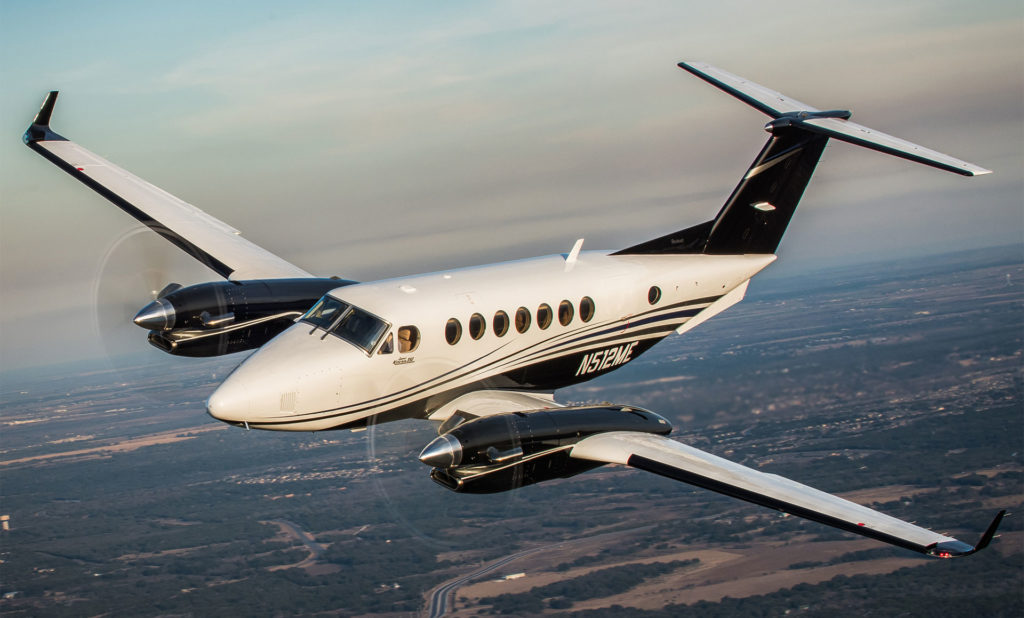
Short-Field Capability and Demanding Single-Pilot Operations
The Beechcraft King Air is especially valuable when operating into small rural airports with limited infrastructure. Some runways may be poorly maintained, covered with snow, or lack reliable weather reporting and lighting. Its short-field performance and twin engine turboprop design allow it to serve airports that may be impractical for many business jets.
The aircraft is also well suited to intensive schedules involving quick turnarounds and as many as nine or 10 flight legs in one day. This makes it effective for medical transport programs that must connect several remote hospitals within a limited period.
Many of these missions are conducted single pilot in demanding conditions, including mountain airports, night IFR operations, low visibility, and winter weather. The King Air’s cockpit layout, predictable handling, and twin engine performance help a properly trained pilot manage this workload safely and consistently.
On short flights of less than two hours, the King Air can also be more economical than a jet. Although it may take slightly longer to reach the destination, its lower fuel consumption during takeoff and climb provides meaningful savings on repeated short sectors.
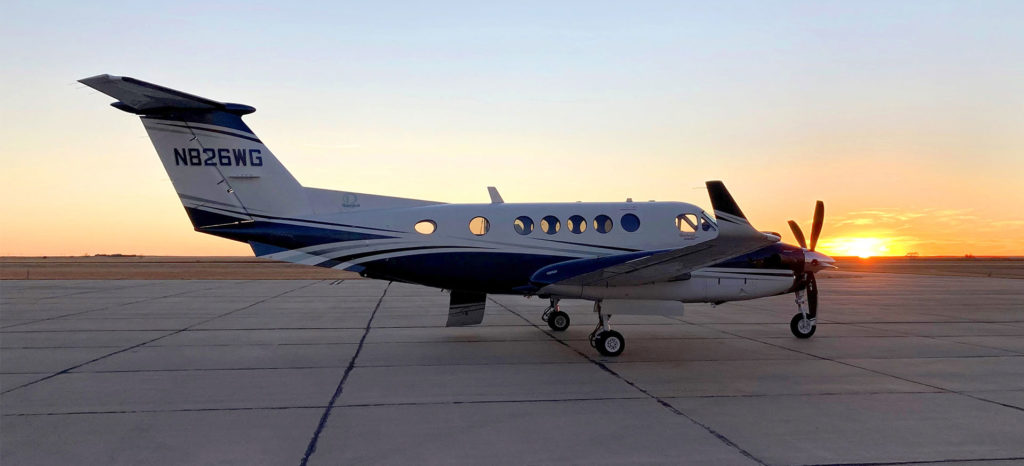
Timeless Design and Multi-Mission Value
The Beechcraft King Air continues to deliver strong value because its basic twin engine design has remained adaptable across decades of changing operational requirements. Rather than serving only one narrow market, the aircraft can be configured for medical transport, workforce movement, executive charter, cargo, and other specialized missions without losing the practical qualities that made the platform successful.
Fast Air provides a clear example of this flexibility. The company operates a fleet of 14 King Air aircraft, including 12 King Air 200 models and two King Air 350s. Instead of assigning the entire fleet to a single purpose, the operator uses the aircraft across three primary mission categories: medevac, crew transportation, and executive charter.
Medevac Operations
A significant part of Fast Air’s work involves medical transportation. The company divides its medevac activity into critical-care and basic medical missions, allowing different aircraft and cabin configurations to support different patient needs.
The King Air is especially well suited to this role because its pressurized cabin can accommodate medical personnel, equipment, and patient transport arrangements while still providing the speed needed to connect remote communities with larger hospitals.
Its twin engine turboprop configuration is also valuable for flights conducted over long distances, at night, in poor weather, or across sparsely populated regions. Although two engines do not remove operational risk, they provide additional options and support the aircraft’s use in demanding professional transport missions.
Crew and Equipment Transportation
Fast Air also uses King Air aircraft to move construction personnel and equipment to remote work sites. A typical mission may involve transporting eight or 10 workers together with their gear.
This type of operation demonstrates the importance of the King Air’s useful payload and cabin volume. The aircraft must carry not only passengers but also tools, protective equipment, baggage, and other mission-related items.
A smaller twin engine aircraft may lack the required cabin capacity, while a business jet may be less practical for the short, remote, or infrastructure-limited airports associated with industrial operations. The King Air provides a useful balance between passenger capacity, cargo capability, speed, and airport access.
Executive Charter
The same aircraft family can also support executive charter operations. In this role, the King Air offers a pressurized cabin, comfortable seating, regional cruise performance, and access to smaller airports closer to the passenger’s destination.
This allows charter operators to serve clients who want private aviation convenience without necessarily requiring the speed, runway needs, or higher operating costs of a jet.
The King Air’s ability to move between utility and executive roles is one of its strongest commercial advantages. An aircraft used for workforce transport or medical service can belong to the same proven platform as one configured for premium passenger travel.
Why the Design Remains Relevant
The King Air’s longevity comes from a design that can support very different operators without requiring an entirely different aircraft for each mission. Its twin engine configuration provides the power and redundancy expected in professional aviation, while the cabin and airframe offer enough flexibility for repeated reconfiguration.
For operators such as Fast Air, this means the fleet can respond to changing demand. Aircraft can be assigned to medevac, crew movement, or charter work according to operational needs rather than being restricted to one specialized role.
That adaptability is a major reason the King Air remains relevant. Its design may be mature, but it continues to create value because it combines payload, cabin space, pressurization, regional speed, and twin engine performance in a platform capable of supporting an unusually broad range of missions.
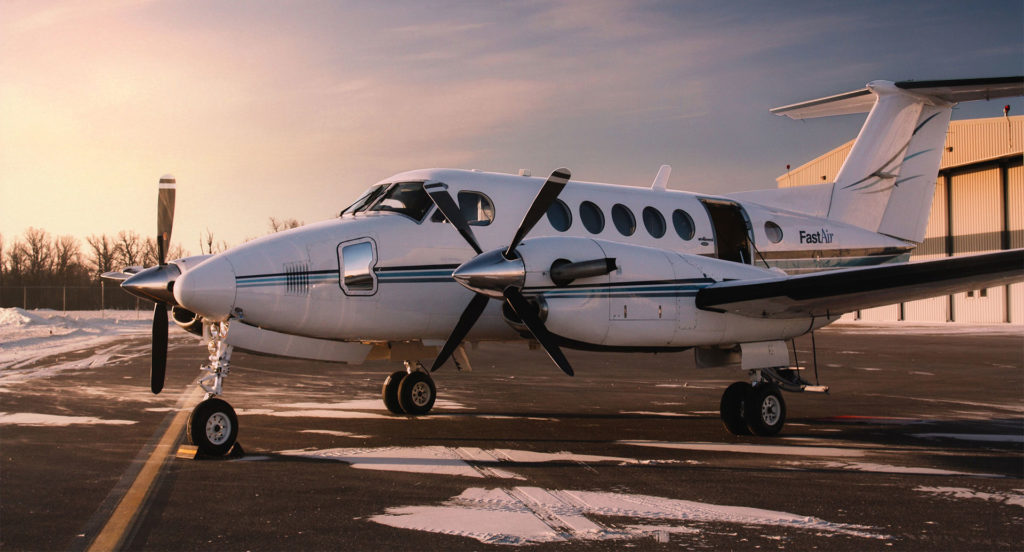
A Timeless and Upgradeable Twin Engine Platform
The Beechcraft King Air has remained relevant for nearly six decades because its basic twin engine design can support VIP transport, high-capacity passenger service, freight, and medevac missions. A broad aftermarket has also allowed operators to modernize older aircraft rather than replace them.
Fast Air has upgraded much of its fleet with Garmin G1000 glass cockpits and Raisbeck Engineering modifications, including RAM air recovery systems, five-blade swept propellers, and enhanced-performance leading edges. The CenTex HALO 250 conversion can also increase payload capability by 920 pounds, allowing operators to carry more while extending practical mission range.
This combination of proven design and continued modernization helps explain the King Air’s strong economics. Compared with many business jets, it can be significantly less expensive to operate on regional routes while still offering speed, comfort, and twin engine capability. Canadian operators commonly use King Air aircraft as high-utilization working platforms, often flying between 700 and 1,000 hours per year.
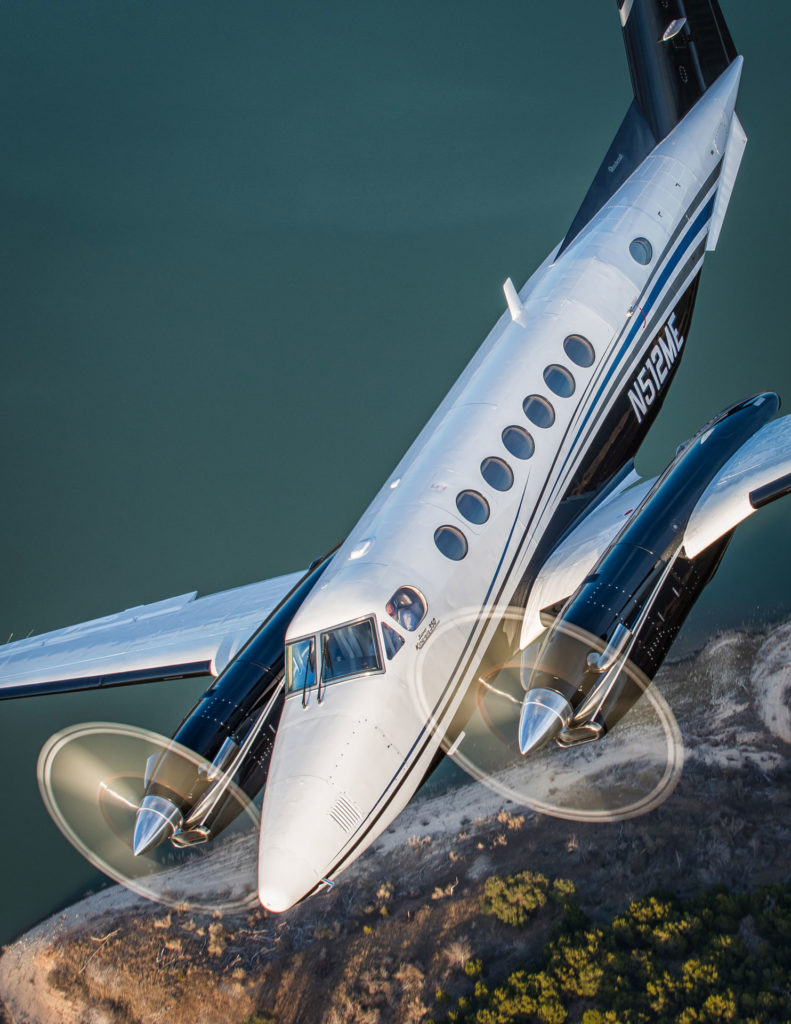
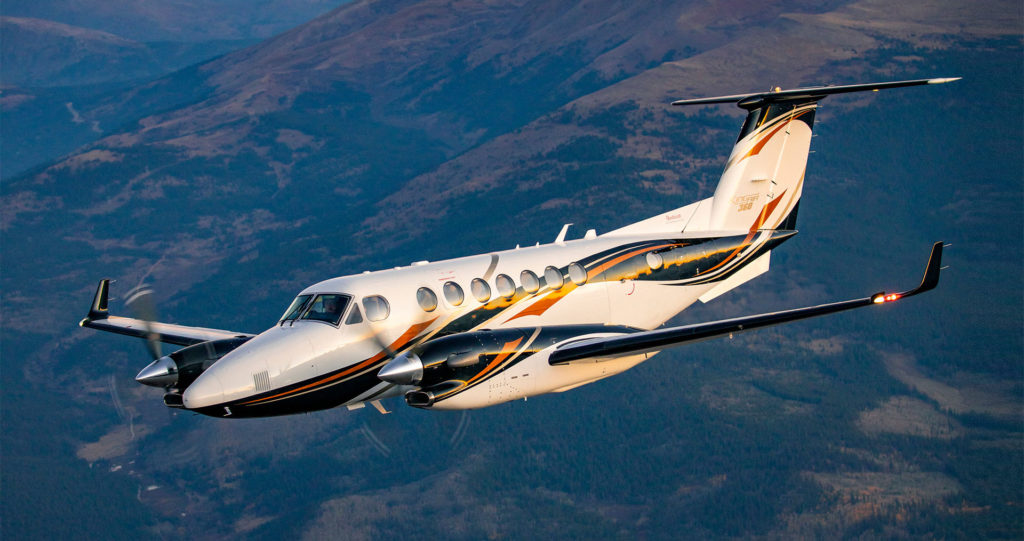
A Mature Twin Engine Platform with Global Support
After nearly six decades of service, the Beechcraft King Air has proven that a well-designed twin engine turboprop can remain useful across an exceptionally wide range of missions. Its longevity has also created a large maintenance network, extensive parts availability, and decades of practical operating knowledge shared among pilots, technicians, and service centers.
This mature support system is one of the King Air’s greatest advantages. Operators are not relying on an unfamiliar or narrowly supported aircraft. They benefit from established maintenance procedures, experienced technicians, proven modifications, and a worldwide community that understands the platform in detail.
Even during the difficult aviation market of 2020, the King Air family accounted for 62 turboprop deliveries from Textron Aviation. Although the smaller C90 GTx was later discontinued, the broader King Air line continued evolving through the newer 260 and 360 models.
Modern improvements such as FADEC, automatic pressurization, updated interiors, advanced avionics, and greater cockpit automation show that Textron continues to invest in the platform rather than simply preserve an old design.
That combination of proven twin engine reliability and continuous modernization explains why the King Air remains so popular. Operators around the world continue to depend on it because it delivers practical payload, regional speed, short-field access, cabin comfort, and the flexibility to complete missions ranging from executive transport to medevac, cargo, military, and remote-area operations.
