What Is a Multi Engine Piston Airplane?
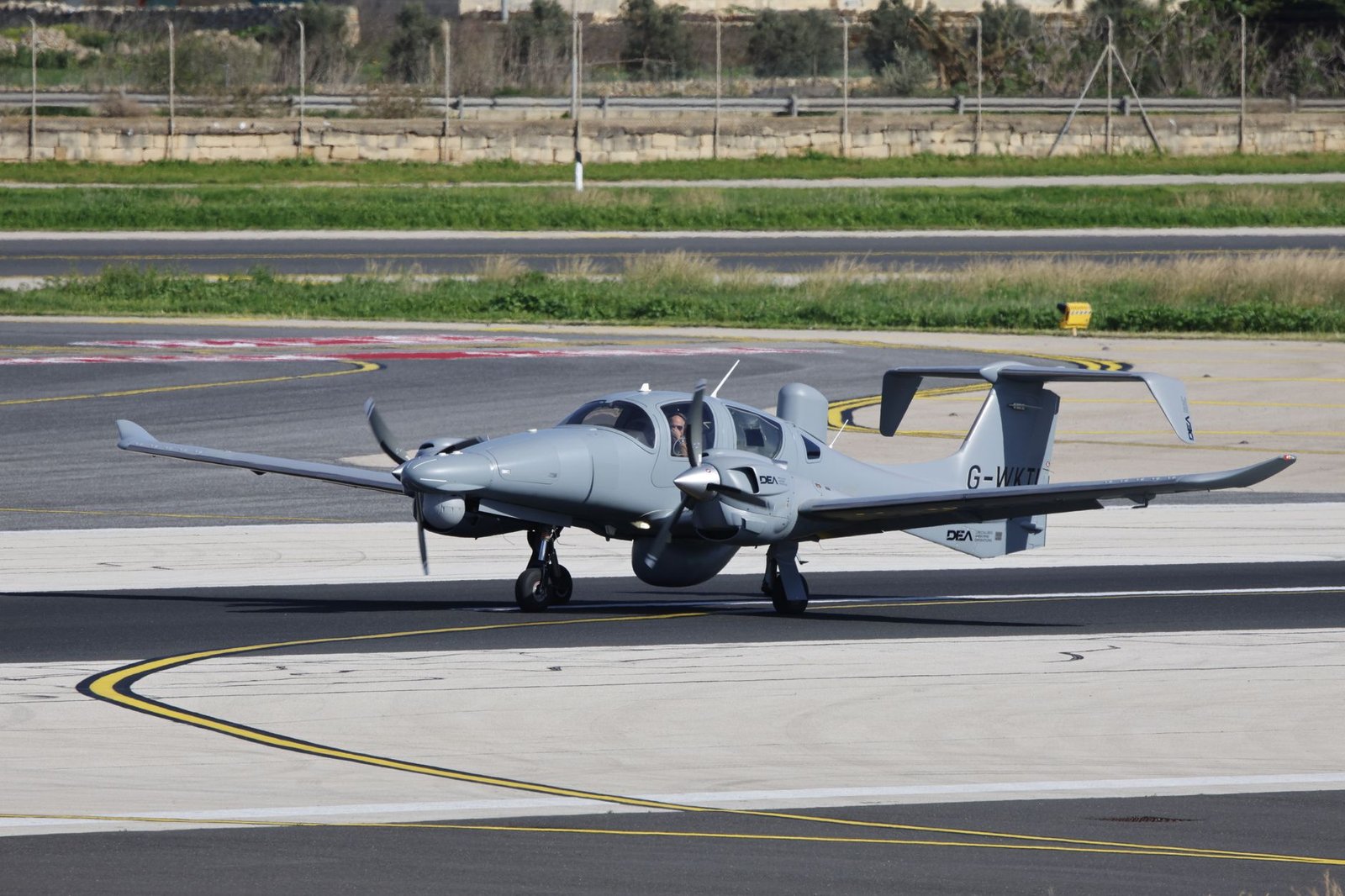
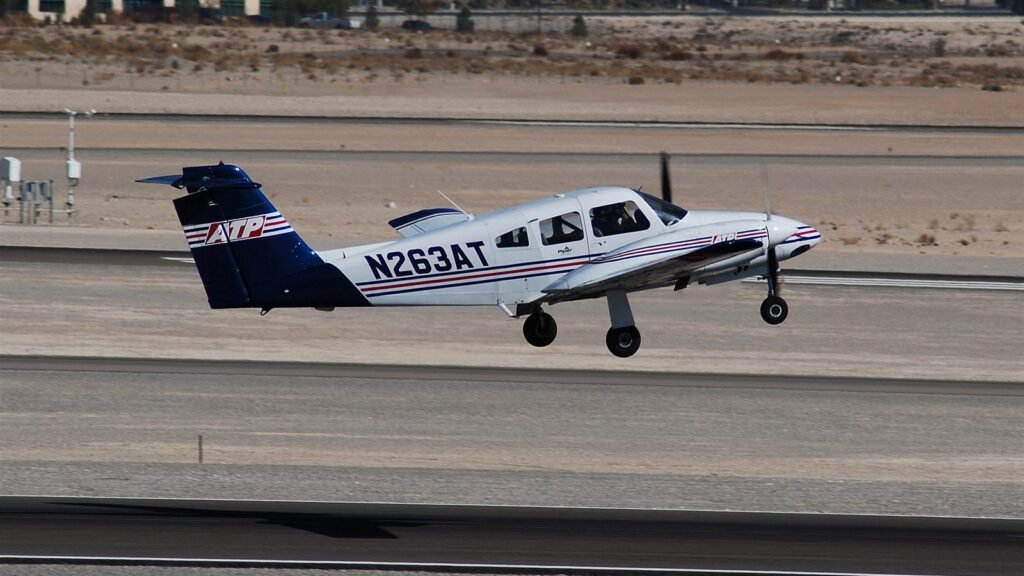
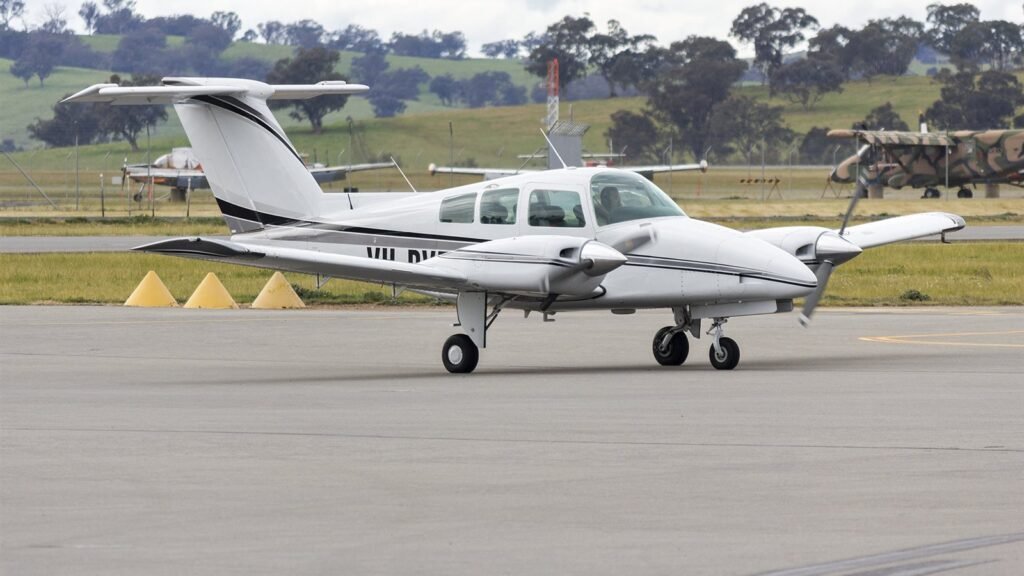
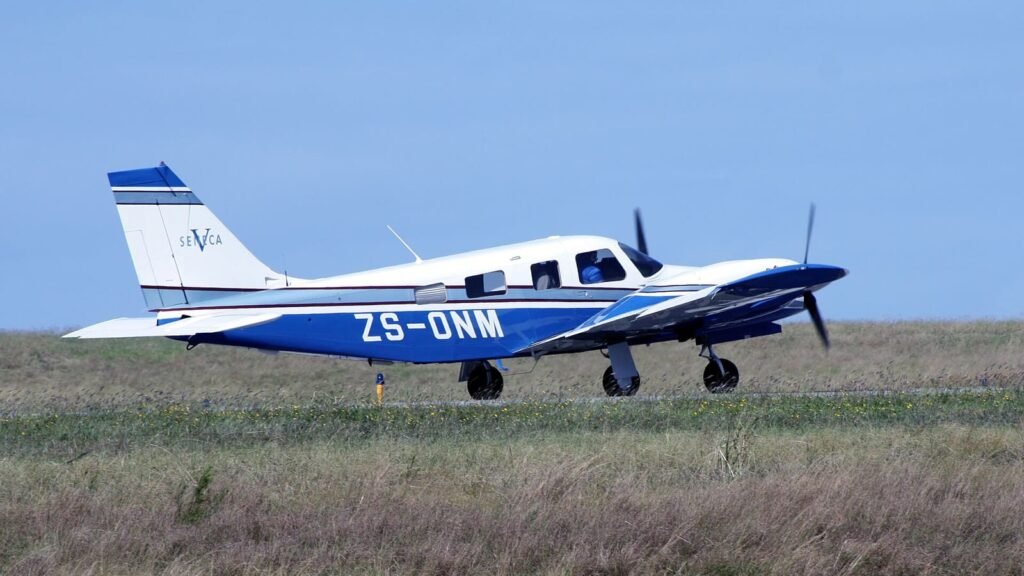
A multi engine piston airplane, also called a twin engine piston aircraft, is an airplane equipped with two or more piston engines that work together to generate thrust. This setup contrasts with single-engine aircraft, which rely on just one powerplant. The most common configuration is the twin-engine design, where one engine is mounted on each wing to ensure symmetrical thrust and stable handling.
Such aircraft are among the most versatile in general aviation. From small training airplanes like the Piper Seminole to high-performance touring models such as the Diamond DA62, multi engine piston aircraft bridge the gap between economical single-engine airplanes and complex turboprop or jet platforms.
A multi engine piston airplane combines efficiency, redundancy, and performance in a single platform — making it a preferred choice for pilots seeking both safety and capability. With dual powerplants, these aircraft offer faster climb rates, higher cruising speeds, and greater payload capacity than single-engine models.
They are also capable of maintaining controlled flight after an engine failure, providing unmatched reliability for long-distance travel or demanding conditions. Whether used for advanced multi engine training, business aviation, or regional transport, the multi engine piston airplane remains a cornerstone of modern flight — balancing affordability, safety, and professional-level performance.
Redundancy and Safety: The Core Advantage
The most significant advantage of a twin engine piston airplane is redundancy. If one engine fails, the other continues to operate, allowing the pilot to maintain altitude, control, and return safely to an airport. This reliability makes multi engine piston airplanes especially valuable for operations over mountainous terrain, open water, or long cross-country routes where emergency landing options are limited.
This redundancy not only enhances flight safety but also increases pilot confidence — particularly during critical phases such as takeoff, climb, or instrument flight in poor weather. In modern training, engine-out procedures are a central part of multi engine instruction, ensuring pilots can manage asymmetric thrust effectively.
In addition to safety, a multi engine piston airplane provides operational flexibility that single-engine aircraft cannot match. Pilots operating under instrument flight rules (IFR) benefit from the assurance that, even in case of an engine failure, the aircraft retains sufficient power and control authority to complete the flight safely.
This makes the multi engine piston airplane ideal for charter services, business aviation, and advanced pilot training programs where reliability and performance are critical. Its design philosophy centers around maintaining control and stability even under adverse conditions — a hallmark of professional, performance-oriented aviation.
Performance and Payload: Power That Delivers
Beyond safety, a multi engine piston aircraft offers superior performance compared to single-engine counterparts. Two engines provide more available power, allowing for:
-
Higher cruise speeds (often between 160 and 220 knots)
-
Faster climb rates and shorter takeoff rolls
-
Greater payload capacity for passengers, baggage, or fuel
These aircraft can carry heavier loads while maintaining efficiency. For example, a Beechcraft Baron can climb more than 1,000 feet per minute at maximum weight, outperforming most single-engine models in climb performance. The added power also provides better control in turbulence and higher cruising altitudes, which can improve comfort and fuel economy.
Range and Endurance in Twin Piston Aircraft
Thanks to the additional thrust and fuel management flexibility, multi engine piston airplanes often achieve greater range and endurance. The ability to balance fuel consumption between engines allows longer flight times with improved efficiency.
For business and private pilots, this means fewer fuel stops and greater operational flexibility. A well-managed twin piston airplane can comfortably handle multi-hour flights with full payload, making it ideal for regional charter services, air taxi operations, and long-range personal travel.
IFR Capability and Advanced Avionics
Most modern multi engine piston airplanes are certified for Instrument Flight Rules (IFR) operations. They often include redundant electrical systems, dual alternators, advanced avionics suites, and autopilot systems. This makes them capable of flying safely through low visibility and adverse weather conditions where smaller single-engine aircraft might be grounded.
For professional training programs, these features make twin piston airplanes essential for pilot development. They prepare aviators for complex systems management, cross-country instrument navigation, and commercial-level decision-making.
Applications in Modern Aviation
Multi engine piston aircraft are widely used across aviation sectors due to their reliability and flexibility. Key applications include:
-
Flight training: essential for earning multi-engine and commercial ratings.
-
Air taxi and charter: efficient for short- to mid-range passenger transport.
-
Cargo and survey operations: capable of carrying specialized equipment and operating long hours.
-
Private and corporate aviation: offering comfort, range, and safety for personal or business missions.
Because of their balanced cost-to-performance ratio, multi engine piston airplanes remain one of the most practical and cost-effective solutions for operators who require twin-engine reliability without the complexity or expense of turboprops and jets.
Evolution and Future Outlook
The technology behind piston twin aircraft continues to evolve. Modern models integrate composite materials, aerodynamic refinements, and FADEC-controlled engines to improve fuel efficiency and reduce maintenance requirements. New designs like the Diamond DA62 and Tecnam P2006T demonstrate that the piston twin remains relevant — combining classic mechanical reliability with digital precision.
As aviation moves toward greater sustainability, twin piston designs may also play a role in hybrid-electric propulsion systems, offering the same safety and power balance in more eco-friendly configurations.
Conclusion
A multi engine piston airplane represents the perfect intersection of safety, performance, and versatility. Its dual-engine configuration provides redundancy that single-engine aircraft cannot match, while delivering the power and range needed for demanding missions. Whether used for pilot training, private travel, or commercial operations, these aircraft remain a cornerstone of general aviation and a testament to thoughtful engineering.
For a complete overview of historic and modern twin models, see:
Twin Engine Aircraft List: From Piston Legends to Modern Twinjets