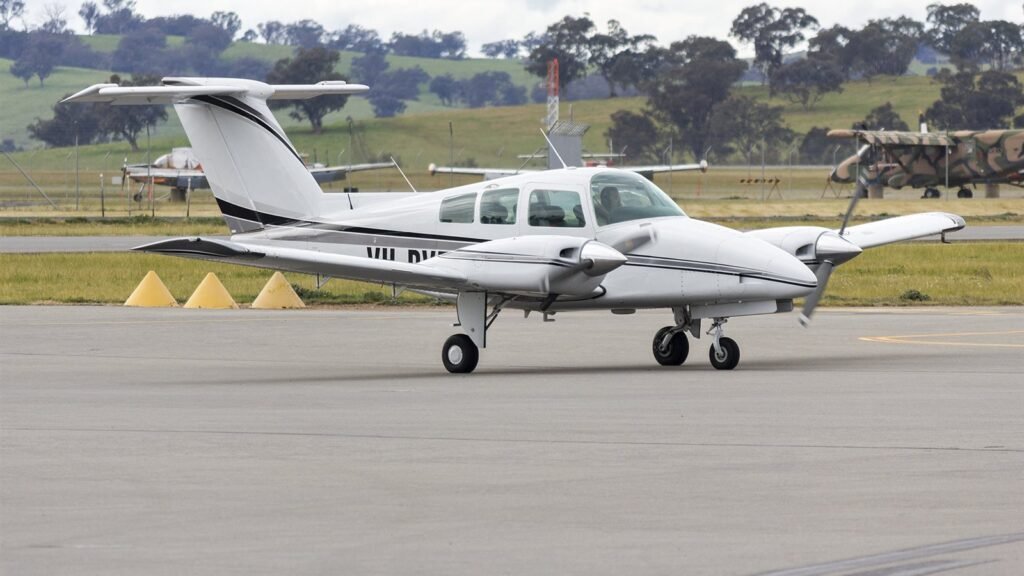
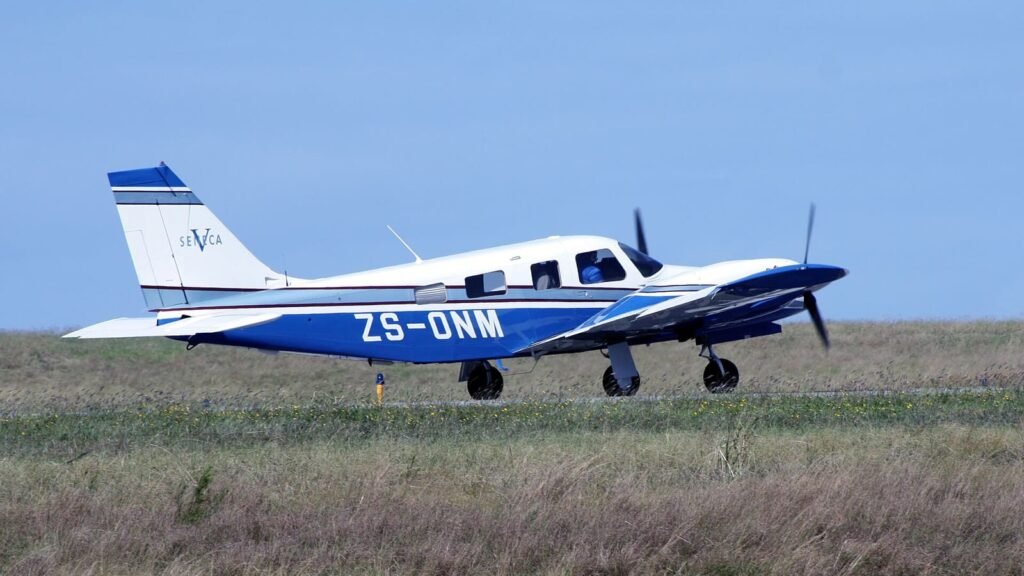
The discussion around twin engine vs four engine aircraft has evolved significantly over the past few decades. What was once considered a clear advantage of four-engine aircraft — greater safety and redundancy — has now been redefined by advances in technology, engineering, and operational standards.
A recent example of this shift can be seen in modern aircraft such as the Airbus A350. Powered by just two highly efficient Rolls-Royce Trent XWB engines, this aircraft is capable of performing long-haul flights, such as transatlantic routes, with outstanding efficiency and reliability. Flights covering over 3,500 miles are now routinely completed in just over seven hours, demonstrating how far twin engine aircraft have progressed.
This transition from four engines to two is not just a trend — it represents a fundamental transformation in aviation.
Twin Engine vs Four Engine: The Historical Perspective
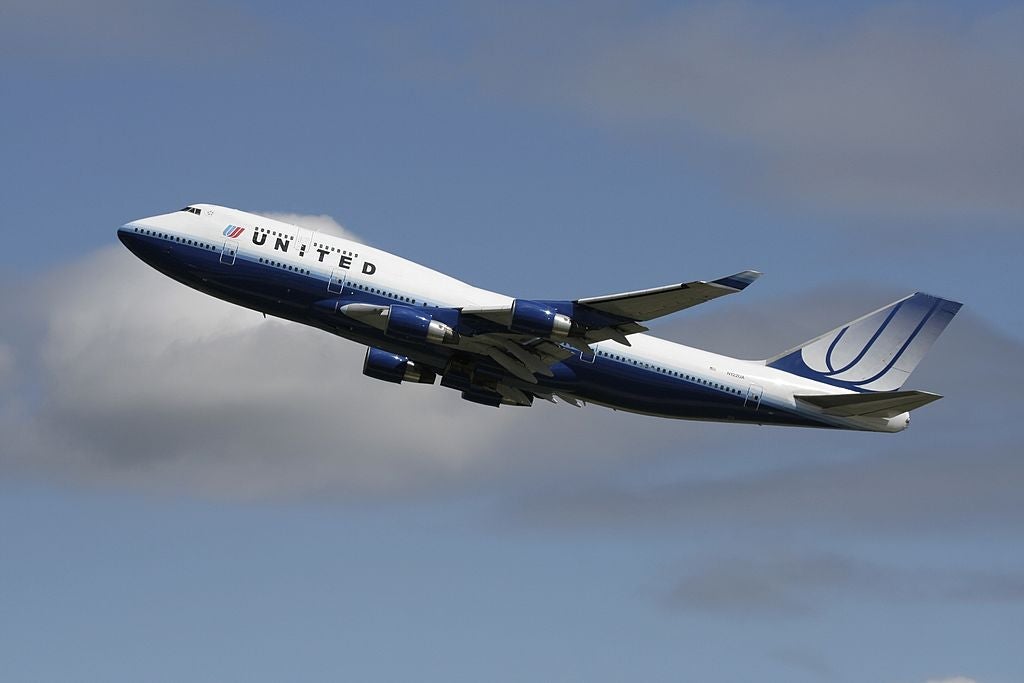
For decades, four-engine aircraft such as the Boeing 747 and Airbus A340 were considered essential for long-haul operations. At the time, engine reliability was significantly lower than today, and having four engines provided an additional safety buffer.
Airlines even promoted this concept. Slogans like “4 engines for long haul” reinforced the idea that more engines meant safer flights. However, this perception was largely driven by public confidence rather than actual operational necessity.
As technology improved, the twin engine vs four engine comparison began to shift. Modern engines became far more reliable, and the need for additional engines diminished.
Why Four-Engine Aircraft Became Less Practical
Four-engine aircraft are now considered inefficient in many aspects.
They:
-
consume significantly more fuel
-
require more maintenance
-
have higher operational costs
-
produce more emissions
Aircraft like the Boeing 747, while iconic, are now seen as products of a different era. Their design reflects the technological limitations of the 1960s, when redundancy through multiple engines was necessary.
Similarly, the Airbus A380, despite its popularity among passengers, proved less attractive to airlines. High operating costs and lower flexibility led to declining demand, eventually resulting in the end of its production.
This shift clearly highlights how the twin engine vs four engine debate has moved toward efficiency rather than tradition.
The Rise of Modern Twin Engine Aircraft
Modern twin engine aircraft such as the Boeing 787 Dreamliner and Airbus A350 have completely redefined long-haul aviation.
These aircraft offer:
-
higher fuel efficiency
-
longer range
-
lower operating costs
-
improved environmental performance
Despite having only two engines, they can perform the same routes as four-engine aircraft, often more efficiently.
This is one of the strongest arguments in the twin engine vs four engine comparison — fewer engines do not mean reduced capability.
ETOPS: The Key Turning Point
The most important factor in the twin engine vs four engine debate is ETOPS (Extended-range Twin-engine Operational Performance Standards).
ETOPS regulations determine how far a twin engine aircraft can fly from the nearest suitable airport in the event of an engine failure.
Initially, twin engine aircraft were restricted to routes within 60 minutes of an alternate airport. This severely limited their use for long-haul flights.
However, improvements in engine reliability allowed regulators to extend these limits:
-
ETOPS 120
-
ETOPS 180
-
ETOPS 240
-
ETOPS 370
Aircraft like the Airbus A350 can now operate up to six hours away from the nearest airport on a single engine.
This completely changed the twin engine vs four engine landscape, making twin engine aircraft capable of global operations.
Route Efficiency and Flight Optimization
Another major advantage of twin engine aircraft is route flexibility.
Before ETOPS, aircraft had to follow indirect paths to remain within safe diversion distances. These routes were longer, less efficient, and required more fuel.
With modern ETOPS approvals, aircraft can now fly more direct routes across oceans and remote regions.
This results in:
-
shorter flight times
-
reduced fuel consumption
-
lower emissions
-
improved passenger experience
In the twin engine vs four engine comparison, this is a critical operational advantage.
Economic Impact on Airlines
From a financial perspective, the twin engine vs four engine decision is straightforward.
Operating four engines means:
-
double the maintenance compared to two engines
-
higher fuel consumption
-
increased operational complexity
Twin engine aircraft significantly reduce these costs.
Airlines can:
-
operate more efficiently
-
open new routes
-
improve profitability
This is why many airlines are phasing out four-engine aircraft in favor of modern twin engine fleets.
ETOPS Planning and Safety Procedures
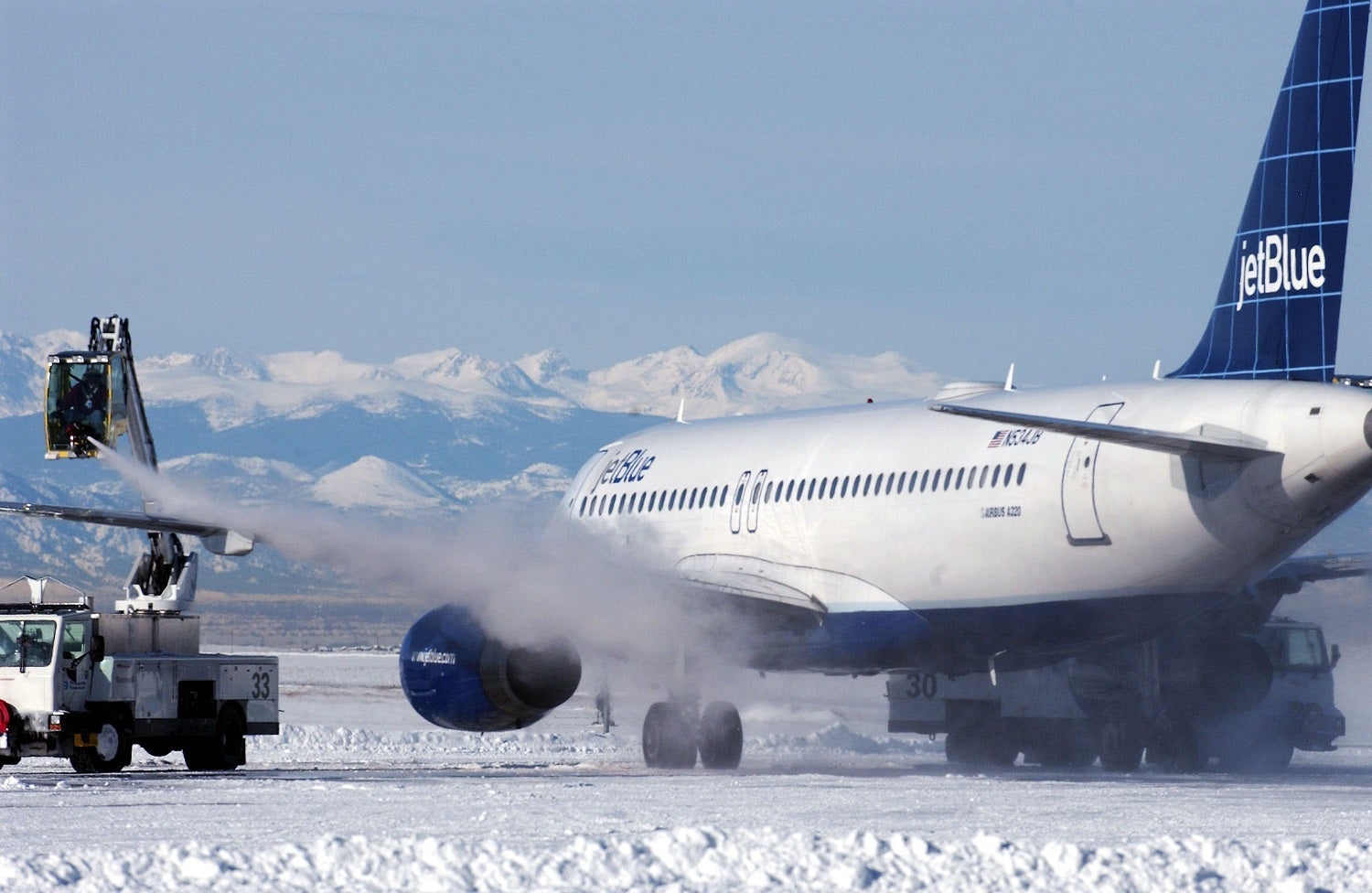
Safety in ETOPS operations is built long before the aircraft leaves the ground. Every long-haul flight involving twin engine aircraft is carefully planned to ensure that, even in the event of an engine failure, the aircraft can safely continue to a suitable airport.
Pilots and dispatchers analyze the entire route in detail, selecting appropriate alternates based on distance, weather conditions, and aircraft performance. An airport cannot be chosen arbitrarily — it must be fully operational at the expected time of use and equipped with all required services, including air traffic control, emergency response, navigation systems, and adequate runway length.
This level of planning is what makes modern twin engine vs four engine operations so reliable. Even when flying across oceans or remote regions, there is always a clearly defined and safe strategy in place.
Weather Requirements and Approach Types
Weather plays a decisive role in ETOPS planning. It is not enough for an alternate airport to be open — it must also have forecast weather conditions that allow a safe approach and landing within legal limits.
Pilots must consider weather not only at the exact arrival time, but within a broader time window to account for uncertainty in forecasts. This ensures that conditions remain acceptable even if the flight arrives earlier or later than expected.
Approach procedures themselves also influence planning. Precision approaches, such as ILS, provide both vertical and lateral guidance and allow operations in lower visibility conditions. Non-precision approaches, on the other hand, offer only lateral guidance and require higher minimums and increased pilot workload.
Because of these differences, ETOPS regulations require additional safety margins above standard minima. This conservative approach ensures that even under deteriorating weather conditions, a safe landing remains possible.
Fuel Planning in ETOPS Operations
Fuel planning in ETOPS operations goes far beyond simply calculating the fuel needed to reach the destination. Instead, it is based on worst-case scenarios.
Aircraft must carry enough fuel not only to complete the planned route, but also to handle unexpected situations such as engine failure or loss of cabin pressure. In such cases, the aircraft may need to descend to lower altitudes, where fuel consumption increases significantly.
For example, cruising at high altitude is fuel-efficient, but if the aircraft is forced to fly at around 10,000 feet, engine efficiency drops and fuel burn rises sharply. If this situation is combined with a single-engine operation, the aircraft must still have enough fuel to safely reach the selected alternate airport.
This level of redundancy highlights how advanced and carefully engineered modern twin engine vs four engine operations have become.
Engineering and Pre-Flight Checks
Before every ETOPS flight, additional engineering checks are performed to ensure that the aircraft meets stricter reliability standards.
Unlike standard operations, ETOPS flights require confirmation that all critical systems are functioning perfectly. This includes not only the engines themselves, but also electrical systems, backup power sources, and essential onboard equipment.
Modern aircraft are designed with multiple layers of redundancy, meaning that even if one system fails, others can take over without compromising safety. This engineering philosophy is a key reason why twin engine aircraft are now trusted for long-haul operations that were once dominated by four-engine designs.
In-Flight Monitoring and Decision Making
Once airborne, the responsibility shifts to continuous monitoring and decision-making. Pilots regularly compare actual fuel consumption with planned values at key points along the route.
If any deviation is detected, it must be analyzed immediately. This could be due to weather, changes in altitude, or system performance. Based on this analysis, pilots may adjust speed, altitude, or even consider diverting to an alternate airport if necessary.
This constant evaluation ensures that safety margins are preserved throughout the entire flight. Rather than reacting to problems, modern aviation focuses on anticipating and managing them early.
This proactive approach is another important reason why the twin engine vs four engine debate has shifted in favor of twin engine aircraft.
Conclusion
The modern aviation industry clearly shows how the twin engine vs four engine debate has evolved. What was once a question of safety is now a matter of efficiency, technology, and smart operational design.
Advancements in engine reliability, ETOPS regulations, and aircraft systems have made twin engine aircraft fully capable of handling long-haul operations that were once dominated by four-engine designs. Today, safety is not defined by the number of engines, but by the level of engineering, planning, and pilot training behind each flight.
From detailed ETOPS planning and strict weather requirements to advanced fuel management and continuous in-flight monitoring, every aspect of twin engine operations is built around redundancy and risk management.
As a result, modern twin engine aircraft deliver not only improved performance and lower operating costs, but also a level of safety that meets — and often exceeds — that of older four-engine aircraft.
To better understand how safety is maintained in real multi-engine operations, read our detailed guide:
https://melibrary.pro/article/twin-engine-safety/