Twin Engine Fuel System – Definition and Purpose
A twin engine fuel system is designed to store, manage, and deliver fuel independently to two engines while maintaining redundancy, balance, and operational flexibility. Unlike single-engine aircraft, where fuel supply is relatively straightforward, twin engine aircraft require fuel system architectures that support continued safe flight following an engine failure, fuel pump malfunction, or electrical issue.
The primary purpose of a twin engine fuel system is not only to supply fuel to each engine, but also to ensure that fuel remains available and controllable under abnormal conditions. This includes the ability to isolate tanks, reroute fuel through crossfeed, maintain lateral balance, and support single-engine operation without compromising safety.
General Design of Twin Engine Aircraft Fuel Systems
Twin engine aircraft fuel systems vary depending on aircraft size and mission, but they share several fundamental design principles. Fuel is typically stored in separate wing tanks, with each tank primarily supplying the engine on the same side. In some aircraft, additional center or fuselage tanks are incorporated to increase range or payload capability.
Each tank is equipped with internal fuel pumps, shutoff valves, quantity sensors, and venting systems. The fuel system plumbing is arranged so that fuel can be supplied independently to each engine during normal operations, while also allowing interconnection between tanks through a crossfeed fuel system when required.
In larger twin engine aircraft, the fuel system may also interact with other aircraft systems, including electrical power generation, flight management computers, and center of gravity control systems. As aircraft complexity increases, automation plays a greater role in fuel management, although pilots remain responsible for system monitoring and abnormal procedures.
Twin Engine Fuel System in Light GA Aircraft
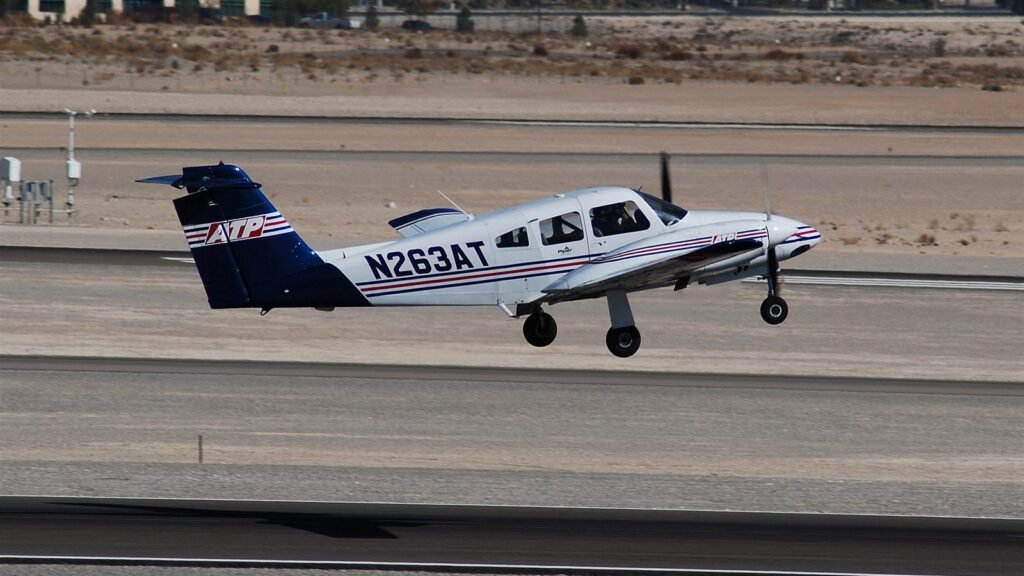
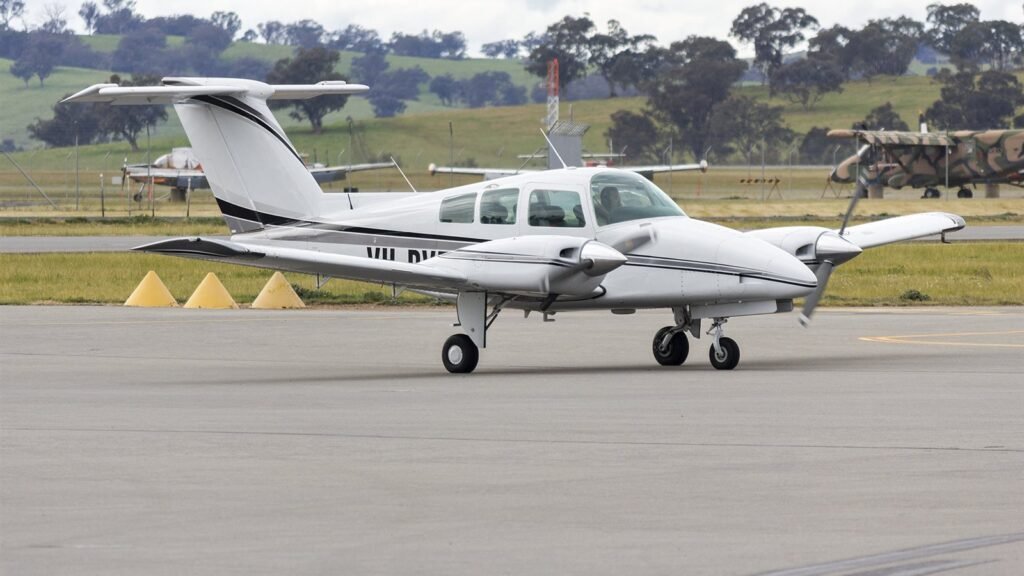
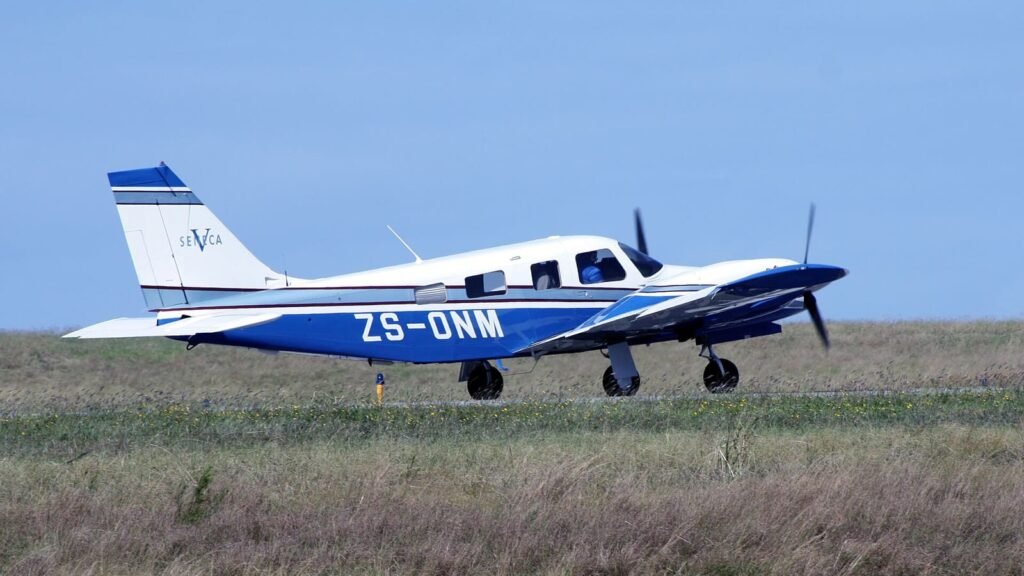
In light twin-engine general aviation aircraft, the fuel system represents a significant step up in complexity compared to single-engine designs. Each engine is normally supplied by its own wing tank, and pilots must actively manage fuel selection to maintain balance and ensure continuous fuel flow.
The crossfeed fuel system is a defining feature of twin engine fuel systems in this category. Crossfeed allows fuel from one tank to be used by the opposite engine, which becomes critical during single-engine operations or when fuel imbalance develops. Proper crossfeed management enables the pilot to use all available fuel while remaining within lateral balance limitations.
Unlike larger aircraft, fuel management in light twins is often manual. This places a strong emphasis on system knowledge, checklist discipline, and situational awareness, particularly during engine-out scenarios where workload is already elevated.
Fuel System Architecture in Twin Engine Turboprop and Jet Aircraft
As aircraft performance and operational range increase, twin engine fuel systems become more sophisticated. Turboprop and jet aircraft typically incorporate multiple fuel tanks, redundant pumps, automated fuel transfer logic, and comprehensive system monitoring.
In these aircraft, fuel management is closely integrated with avionics and warning systems. Pilots receive continuous information on fuel quantity, fuel temperature, fuel flow, and fuel balance. Automated logic may control which tanks are supplying fuel during different phases of flight, reducing structural loads and optimizing center of gravity.
Fuel system redundancy is especially important for aircraft certified for extended-range operations. Multiple pumps in each tank, independent electrical supply paths, and clearly defined failure modes ensure that fuel remains available even after multiple system degradations.
Redundancy and Crossfeed in Twin Engine Fuel Systems
Redundancy is the cornerstone of twin engine fuel system design. Each engine normally has access to multiple fuel pumps and, through crossfeed, potentially multiple fuel tanks. This design philosophy ensures that no single failure leads to total loss of fuel supply.
The crossfeed fuel system plays a central role in maintaining aircraft controllability and endurance following an engine failure. By allowing fuel to be routed to the operating engine, crossfeed ensures that usable fuel is not stranded in an inaccessible tank. However, incorrect crossfeed use can also introduce new risks, including fuel imbalance or unintended fuel starvation, highlighting the importance of proper training.
Operational Risks Associated with Twin Engine Fuel Systems
Despite their robust design, twin engine fuel systems are subject to operational risks. Fuel leaks, pump failures, electrical malfunctions, and fuel temperature limitations can all degrade system performance. In twin engine aircraft, misinterpretation of fuel indications or incorrect checklist execution can rapidly escalate a manageable fault into a serious emergency.
Fuel imbalance is a particularly important consideration. Uneven fuel distribution can affect aircraft handling and performance, especially during single-engine flight. Twin engine fuel systems are therefore designed with clear operating limitations and procedures to help crews detect and correct imbalance early.
Effects of Fuel System Failures in Twin Engine Aircraft
Failures within a twin engine fuel system can lead to partial or complete loss of an engine due to fuel starvation. In extreme cases, cascading failures may affect the remaining engine if fuel management is mishandled. Electrical failures can further complicate the situation by disabling pumps or fuel quantity indications, increasing reliance on procedural discipline and system knowledge.
These scenarios underscore why fuel system management is a core component of twin engine training and why fuel-related events feature prominently in multi-engine incident investigations.
Best Practices for Twin Engine Fuel System Operation
Safe operation of a twin engine fuel system depends on strict adherence to published procedures and a thorough understanding of system logic. Pilots must monitor fuel quantity, balance, and system indications throughout the flight and respond promptly to abnormal indications using approved checklists.
During high-altitude operations, fuel temperature management becomes critical, particularly in jet aircraft. Descending to warmer air, adjusting speed, or transferring fuel may be required to prevent fuel freezing and subsequent fuel starvation.
Conclusion
The twin engine fuel system is far more than a means of delivering fuel to engines. It is a carefully engineered system that supports redundancy, balance, and survivability during abnormal operations. Mastery of twin engine fuel system design and operation is essential for pilots transitioning to multi-engine aircraft and for those operating in demanding environments such as long-range or ETOPS flights.
A solid understanding of fuel system behavior directly contributes to safe multi-engine operations and complements broader knowledge of twin engine aircraft safety.
For additional insight into how system redundancy supports safe multi-engine flight, see:
https://melibrary.pro/article/twin-engine-flight-safety/