For most pilots, the transition from single-engine to multi-engine flying feels like a major step forward. If learning to fly a single-engine aircraft is like riding a bike, then stepping into a multi-engine airplane is closer to driving a high-performance car — faster, more powerful, and requiring a completely different level of awareness.
Many pilots assume that flying is the same regardless of the aircraft, but multi-engine flying introduces entirely new challenges. Concepts like asymmetric thrust, engine failure management, and VMC suddenly become central to safe flight.
That’s why understanding multi engine rating cost, requirements, and training structure is essential before starting this journey.
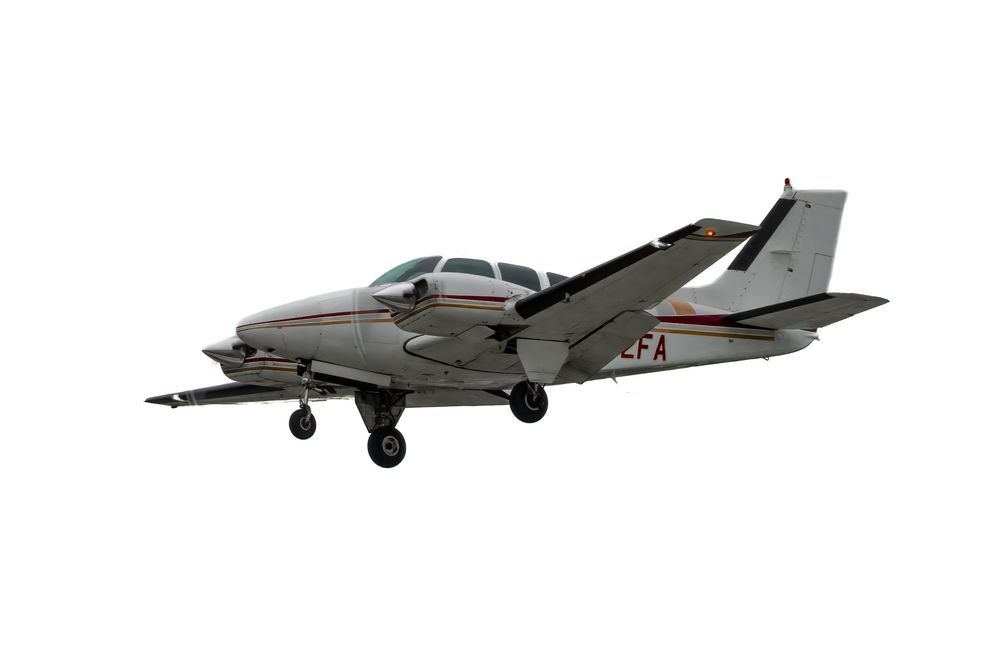
What Is a Multi Engine Rating?
A multi engine rating is an additional certification that allows a pilot to legally operate aircraft with more than one engine. It is not a separate license, but an add-on to an existing certificate such as Private Pilot (PPL), Commercial Pilot (CPL), or Airline Transport Pilot (ATP).
What makes multi-engine flying unique is not just the extra power. It’s the responsibility that comes with it. With two engines, you gain redundancy — but also complexity.
You are no longer just flying the aircraft. You are managing systems, performance, and potential failure scenarios at all times.
In real terms, a multi engine rating opens doors to:
- faster and more capable aircraft
- professional pilot pathways
- commercial aviation opportunities
- advanced flight training
Multi Engine Rating Cost: What to Expect
The multi engine rating cost typically ranges between $2,000 and $6,000, but in reality, this number can vary significantly depending on several factors.
The biggest cost component is aircraft rental. Multi-engine airplanes are far more expensive to operate than single-engine aircraft due to fuel consumption, maintenance, and insurance.
In addition to aircraft rental, the total multi engine rating cost includes:
- instructor fees
- ground training materials
- checkride examiner fee
- fuel costs
- additional flight hours (if needed)
A common real-life situation: many students expect to complete training in the minimum time, but require extra hours to reach proficiency. This can easily add $1,000–$2,000 to the total cost.
Because of this, flight schools often offer package deals. These packages may seem more expensive upfront but can actually reduce the final multi engine rating cost by limiting unexpected extra charges.
When Is the Best Time to Get a Multi Engine Rating?
Technically, you can pursue a multi engine rating right after obtaining your private pilot license. However, from a financial and practical standpoint, this is not always the best choice.
Most instructors recommend waiting until you have:
- instrument rating
- commercial license
Why? Because combining training phases can reduce overall costs and improve efficiency. For example, many pilots complete their commercial multi-engine training in one structured program, avoiding duplicate training hours.
This approach helps optimize total multi engine rating cost while also building stronger skills.
Requirements for a Multi Engine Rating
Before starting training, there are several key prerequisites.
First, the pilot must already hold a valid pilot certificate for single-engine aircraft. Without this, multi-engine training cannot begin.
Second, a valid FAA medical certificate is required. In most cases, a third-class medical is sufficient, although higher-level certification may be needed for commercial operations.
Additionally, pilots must provide proof of citizenship or obtain TSA approval, especially in the United States.
While these requirements may seem straightforward, one important detail is often overlooked: currency. If a pilot has not flown for a long time, additional refresher training may be required, increasing the overall multi engine rating cost.
What You Actually Learn During Training
Multi-engine training is not just about flying a bigger airplane. It is about learning how to manage risk.
Ground training focuses heavily on:
- multi-engine aerodynamics
- asymmetric thrust
- VMC and control limits
- aircraft systems
- weight and balance
Flight training, on the other hand, introduces real-world scenarios that feel very different from single-engine flying.
For example, one of the first things students experience is simulated engine failure. The moment one engine is reduced to idle, the aircraft immediately begins to yaw. This surprises many pilots who are used to stable single-engine behavior.
Instructors often joke that multi-engine training is where pilots “finally learn to use their feet properly” — because rudder control becomes critical.
How Long Does It Take?
One of the advantages of multi-engine training is that it is relatively fast.
In most cases, the entire course can be completed in 3 to 7 days, depending on:
- student availability
- weather conditions
- training intensity
- pilot experience
However, speed does not always mean simplicity. The condensed nature of the training requires full focus and preparation.
Pilots who come well-prepared often complete training quickly and keep their multi engine rating cost low. Those who need extra practice may extend the training period and increase expenses.
Real-World Perspective: What Pilots Don’t Expect
One of the most common surprises for pilots is how different multi-engine flying feels.
Many expect it to be “just faster flying,” but in reality, it is more demanding. The workload increases, especially during takeoff, approach, and emergency scenarios.
Another real-world insight is psychological. Knowing that an engine failure requires immediate and correct action creates pressure that many pilots have never experienced before.
But this is also what makes multi-engine training valuable. It builds confidence, discipline, and decision-making skills that carry over into all areas of aviation.
Is a Multi Engine Rating Worth It?
From a career perspective, the answer is almost always yes.
Most professional pilot jobs require multi-engine experience. Even outside commercial aviation, the rating provides access to more capable aircraft and advanced flying opportunities.
From a skills perspective, multi-engine training forces pilots to understand aerodynamics at a deeper level.
And from a personal perspective, it is one of the most rewarding steps in pilot development.
Conclusion
Getting a multi-engine rating is more than just another step in pilot training — it is a transition to a completely new level of flying. Understanding multi engine rating cost helps pilots plan this step correctly, but the real value lies in the skills gained along the way.
Multi-engine training teaches you to manage asymmetric thrust, make faster decisions, and stay ahead of the aircraft in situations where precision truly matters. It challenges привычный подход к полёту и формирует более высокий уровень дисциплины и ответственности.
While the multi engine rating cost may vary depending on training structure and experience level, the investment pays off not only in career opportunities, but also in confidence and real-world flying capability.
To see how multi-engine aircraft are used in extreme real-life conditions and unique operations, explore this story:
👉 https://melibrary.pro/article/twin-otter-aircraft-arctic-stories/
