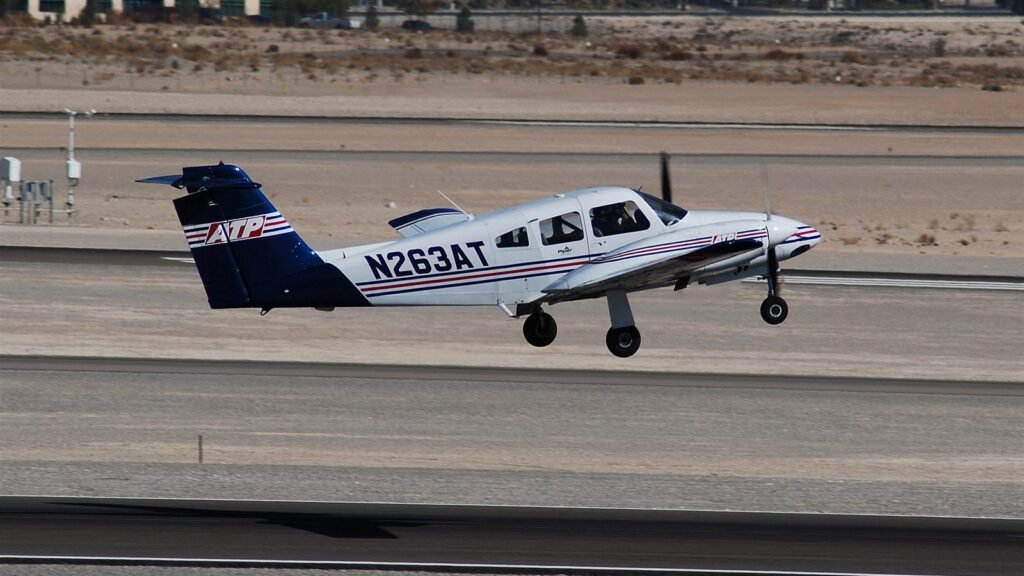
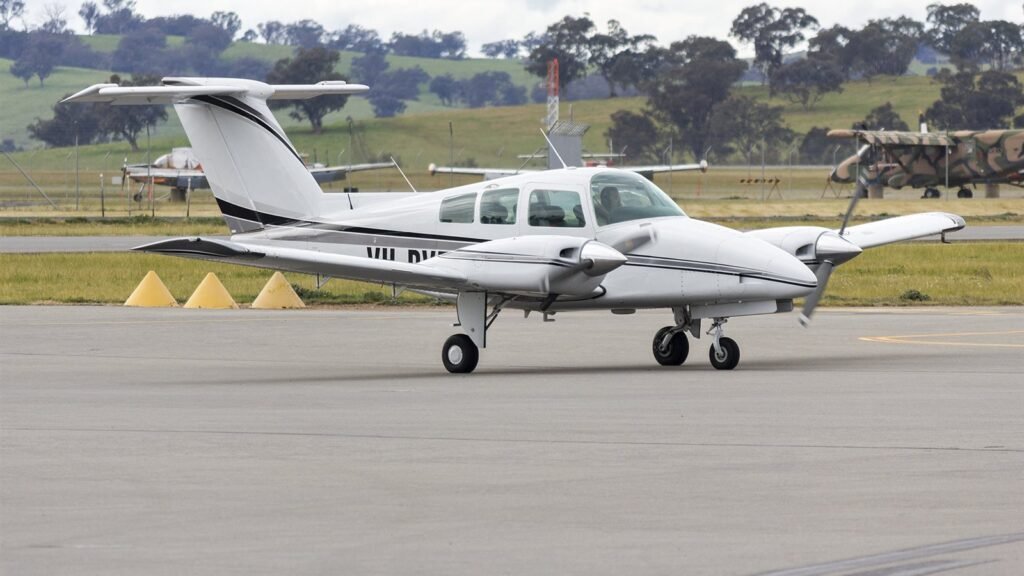
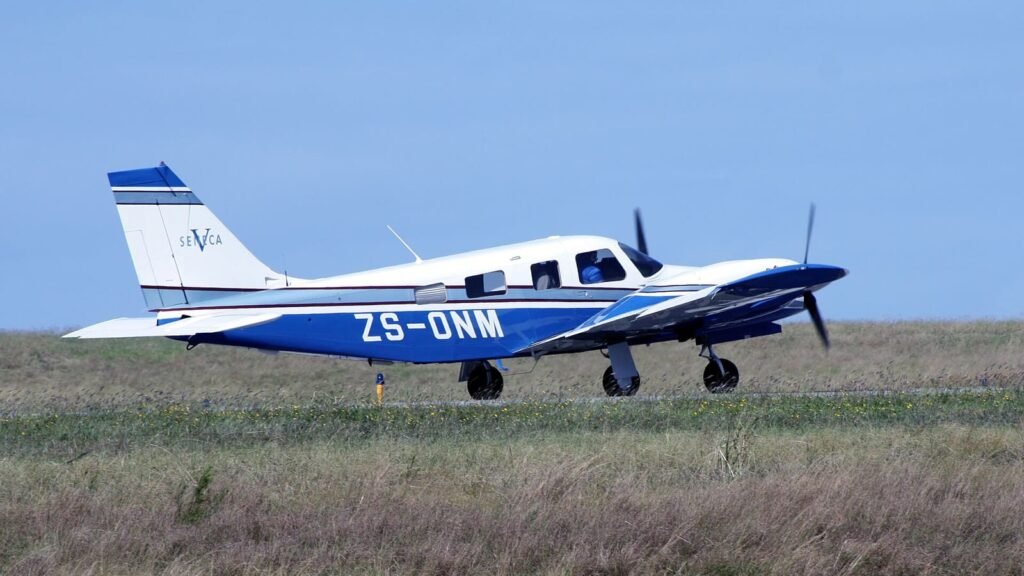
A common question many passengers ask is simple: can planes fly with one engine?
The answer is yes — and not only can they fly, but modern twin engine aircraft are specifically designed, tested, and certified to continue safe flight after losing one engine.
In fact, losing an engine is not automatically a life-threatening situation. While it is a serious event, it is one that pilots are extensively trained to handle, and aircraft systems are built with redundancy to support safe operations.
How Twin Engine Aircraft Handle Engine Failure
Modern twin engine aircraft are engineered with one key principle in mind: survivability after failure. This means that even in worst-case scenarios, the aircraft must remain controllable and capable of reaching a safe landing point.
When one engine fails, the aircraft does not simply stop flying. Instead, it transitions into what is known as single-engine operation, where the remaining engine provides enough thrust to maintain controlled flight.
However, performance is reduced. The aircraft will typically:
- descend to a lower altitude
- reduce climb capability
- increase pilot workload
Even with these limitations, the aircraft remains fully flyable.
What Pilots Do When an Engine Fails
When discussing can planes fly with one engine, it is important to understand pilot priorities.
Pilots follow a strict principle:
Aviate – Navigate – Communicate
First, they maintain control of the aircraft. This includes stabilizing direction, airspeed, and attitude.
Second, they decide where to go. This may involve continuing the flight or diverting to the nearest suitable airport.
Finally, they communicate with air traffic control and coordinate the situation.
A real-world insight: in training, pilots repeat engine failure scenarios so often that the initial reaction becomes almost automatic. This reduces panic and ensures fast, correct decision-making.
How Rare Are Engine Failures?
Statistically, engine failures are extremely rare. According to aviation data, turbine engines fail approximately once every hundreds of thousands of flight hours.
This means that most pilots will rarely experience a real engine failure during their careers. However, they train for it continuously.
This is why the answer to can planes fly with one engine is not based on theory — it is based on decades of real-world data and certification standards.
Asymmetric Thrust and Aircraft Control
One of the biggest challenges in a twin engine aircraft after engine failure is asymmetric thrust.
When one engine stops producing thrust, the remaining engine creates a force on one side of the aircraft. This causes:
- yaw toward the failed engine
- rolling tendency
- increased drag
Pilots must counteract this using rudder and proper bank angle.
If not corrected, this imbalance can lead to loss of control. That is why maintaining airspeed above critical limits (like VMC) is essential.
What Happens to Altitude After Engine Failure
A major misconception when asking can planes fly with one engine is that the aircraft can continue cruising normally.
In reality, most aircraft must descend to a lower altitude.
At high altitudes, engines operate efficiently. After failure, the remaining engine may not produce enough thrust to maintain cruise level.
Pilots will typically descend to a safer altitude where the aircraft can maintain stable flight on one engine.
Even at lower altitude, the aircraft remains fully controllable and capable of reaching an airport.
Aircraft Systems and Redundancy
Modern twin engine aircraft are not just designed to fly — they are designed to continue flying safely even when something goes wrong. This is why the answer to can planes fly with one engine is so confident: aircraft systems are built with multiple layers of redundancy.
Electrical Power Backup
Even if one engine fails, the aircraft does not lose electrical power. Each engine typically drives its own generator, so when one engine stops, the other continues to supply electricity.
In addition, aircraft are equipped with backup sources such as batteries and auxiliary systems. These ensure that critical instruments, navigation systems, and communication equipment remain fully operational.
On many modern jets, there are multiple independent electrical buses, meaning that even partial failures will not affect essential systems.
Hydraulic System Redundancy
Flight controls on large aircraft are powered by hydraulic systems. These systems are usually duplicated or even triplicated.
Each engine powers its own hydraulic circuit, so if one engine fails, the remaining system continues to operate. In some aircraft, an additional backup system is available to maintain control even in extreme situations.
This ensures that pilots retain full authority over control surfaces such as ailerons, elevators, and rudder.
Emergency Power Systems (RAT and Batteries)
In rare worst-case scenarios, aircraft are equipped with emergency systems like the Ram Air Turbine (RAT). This small turbine deploys into the airflow and generates power from the aircraft’s forward motion.
While it does not provide full system capability, it supplies enough power to keep essential controls and instruments functioning.
This is another key layer of safety that supports the concept behind can planes fly with one engine.
Auxiliary Power Unit (APU)
The Auxiliary Power Unit (APU) is another important backup system. Although it is primarily used on the ground, in some situations it can be started in flight to provide additional electrical and pneumatic power.
This gives pilots extra flexibility when managing abnormal situations and helps maintain system stability.
Load Management and System Prioritization
After an engine failure, not all systems are treated equally. Aircraft are designed to prioritize essential functions.
Non-essential systems — such as certain cabin features or secondary equipment — may be automatically or manually shut down to reduce load on the remaining power sources.
At the same time, critical systems like flight controls, navigation, and communication remain fully functional.
Why Redundancy Makes Flight Safe
All these layers of redundancy work together to ensure that losing one engine does not mean losing the aircraft.
This is exactly why the question can planes fly with one engine has a clear answer. Aircraft are not only capable of flying — they are specifically engineered to maintain control, stability, and safety even in degraded conditions.
Redundancy is not just a feature of modern aviation. It is the foundation of its safety.
Landing With One Engine
Landing on one engine requires adjustments, but it is a standard trained procedure.
Pilots must consider:
- longer landing distance
- higher approach speed
- reduced flap configurations
- runway length and weather
Choosing the right airport becomes critical. Pilots often divert to airports with longer runways and better conditions.
Despite these changes, thousands of safe single-engine landings are performed in training every year.
Real-Life Engine Failure Examples
Real-world cases prove that twin engine aircraft can safely handle engine failure.
For example, Air France Flight 66 (A380) experienced a major engine failure over the Atlantic. The crew safely diverted and landed without injuries.
Another case involved a Boeing 737 where an engine failure during climb led to a safe diversion and landing within minutes.
These situations demonstrate that engine failure is serious — but manageable.
The Most Dangerous Phase: Takeoff
The most critical moment for engine failure is during takeoff.
At low altitude and low speed, pilots have limited time to react. If failure occurs before decision speed, takeoff is aborted. If after — the aircraft must continue flying.
This phase requires precise training and immediate action.
That is why pilots spend a significant amount of simulator time practicing this exact scenario.
Common Causes of Engine Failure
Although rare, engine failures can occur for a variety of reasons, even in modern highly reliable aircraft. Understanding these causes helps explain why can planes fly with one engine is such a critical design requirement in aviation.
Foreign Object Damage (FOD)
One of the most common causes of engine failure is foreign object damage, often referred to as FOD. This occurs when objects such as birds, debris, ice, or loose materials are ingested into the engine.
A well-known real-world example is bird strikes during takeoff or landing. Even a relatively small bird can cause significant damage if it is ingested at high speed. In rare cases, multiple bird strikes can affect both engines, which is why airports implement strict wildlife control programs.
Modern jet engines are tested to withstand bird ingestion, but severe cases can still lead to partial or total engine failure.
Mechanical Failure
Mechanical failure can result from wear and tear, manufacturing defects, or unexpected component fatigue. Jet engines operate under extreme conditions, with very high temperatures and rotational speeds.
Components such as turbine blades and compressors are subject to constant stress. Even with advanced materials and maintenance programs, failures can occasionally occur.
This is one of the reasons why the concept behind can planes fly with one engine is so important — aircraft must remain safe even if a critical component fails unexpectedly.
Compressor Stall
A compressor stall is a disruption of airflow inside the engine, which can lead to a temporary or complete loss of thrust. It often occurs due to disturbed airflow, rapid throttle changes, or external conditions such as turbulence or icing.
Pilots may notice loud bangs, vibrations, or loss of power when a compressor stall occurs. In many cases, the engine can recover, but severe stalls may require shutdown.
Although modern engine control systems greatly reduce the likelihood of compressor stalls, they remain a known risk in certain conditions.
Fuel System Issues
Fuel-related problems can also lead to engine failure. These may include fuel contamination, incorrect fuel management, or fuel starvation.
For example, if fuel is not properly distributed between tanks, one engine may stop receiving fuel while the other continues to operate. This type of issue is rare but highlights the importance of proper system monitoring.
Pilots are trained to detect and correct fuel imbalances early to prevent escalation.
Extreme Operating Conditions
Environmental factors can also contribute to engine failure. Extreme cold, high altitude, volcanic ash, or severe weather conditions can affect engine performance.
One particularly dangerous scenario involves volcanic ash clouds. Ash particles can melt inside the engine and damage internal components, potentially causing engine shutdown.
Similarly, very high temperatures and high-altitude airports can reduce engine performance, increasing stress during critical phases of flight.
Why Preparation Matters
Even though these causes are rare, aviation is built around anticipating them. Aircraft are designed with redundancy, and pilots are trained to handle failures calmly and systematically.
This is why the question can planes fly with one engine is not theoretical — it is a core safety requirement. Every system, procedure, and training program is built around ensuring that even in the unlikely event of engine failure, the aircraft remains controllable and capable of a safe landing.
Conclusion
So, can planes fly with one engine? The answer is not only yes — it is a fundamental principle behind the design of modern aviation. Every twin engine aircraft is built, tested, and certified to remain controllable and capable of safe flight even after losing one engine.
While engine failure may sound alarming, in reality it is a well-understood and carefully trained scenario. Pilots are prepared to manage asymmetric thrust, maintain control, and safely navigate the aircraft to a suitable landing point. Combined with advanced aircraft systems and strict safety regulations, this makes single-engine operation a manageable and predictable situation.
Understanding can planes fly with one engine helps remove common fears and highlights the level of engineering and training behind every flight. Modern aviation is not built on assumptions — it is built on redundancy, preparation, and proven performance.
To learn more about how performance and safety are managed in twin engine operations, continue here:
https://melibrary.pro/article/twin-engine-performance-and-safety/